
Hoarding: It’s More Than Just Clutter
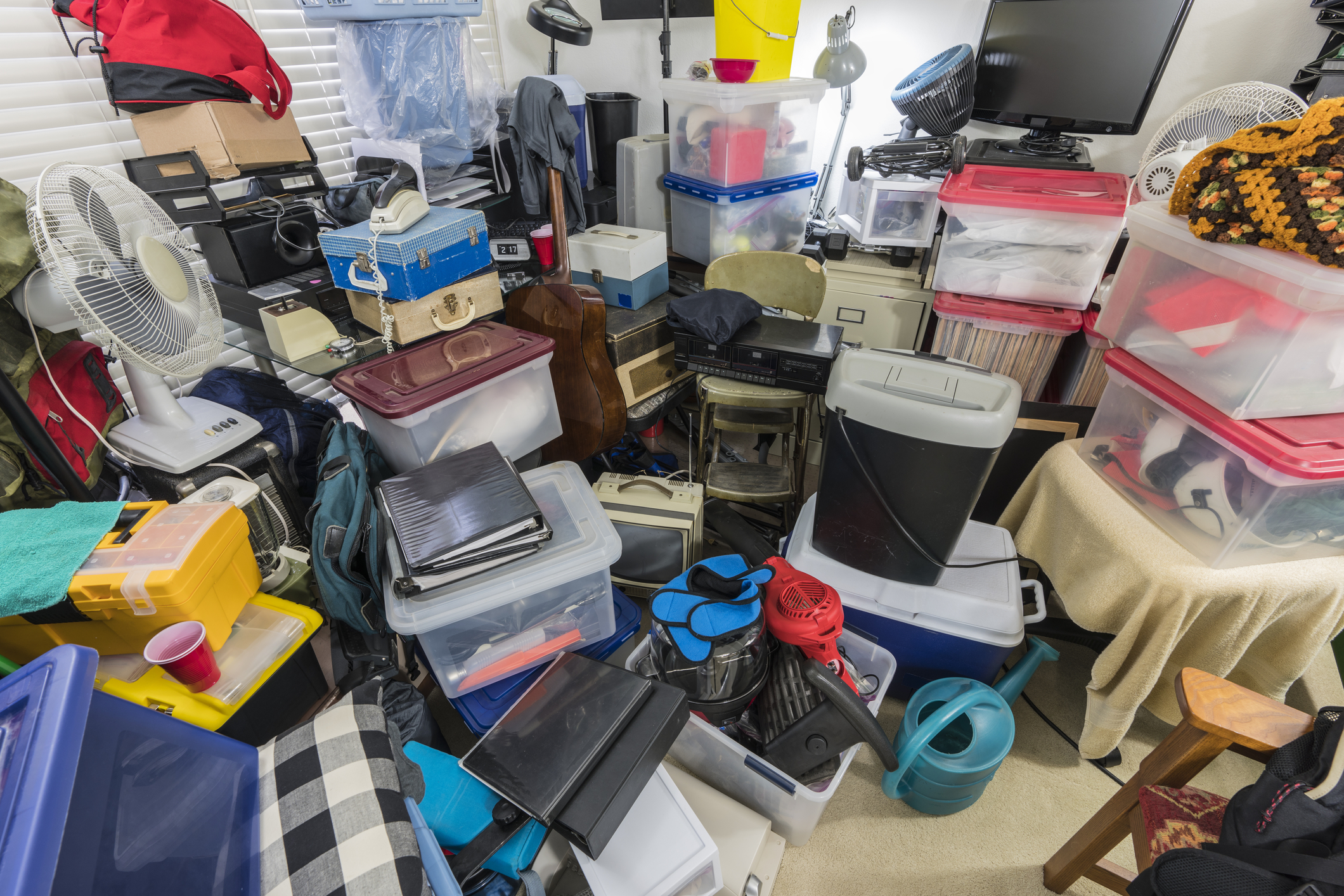
Over the past decade, hoarding has been in the spotlight. Popular media and TV shows focus on extreme cases and portray it as messiness or laziness, but it is, in fact, far more complex. Hoarding is a mental health condition that affects how people think, feel, and make decisions about their possessions, and, often, about their sense of safety and identity.
What Is Hoarding?
Hoarding Disorder (HD) is characterized by persistent difficulty throwing away or parting with possessions, regardless of their monetary value. This difficulty comes from a strong emotional attachment to items or a fear of losing something important. Someone with HD may also associate their sense of who they are with the items they accumulate throughout their life.
How Common is Hoarding?
According to the Anxiety and Depression Association of America, about 2-3% of adults or roughly 6.86-10.29 million people in the United States are affected by HD. In addition, the National Library of Medicine estimates that about 6% of adults over the age of 60-70 struggle with HD, with the United States Senate reporting similar numbers (about 6% of adults over age 70).
In long-term care settings, data shows that HD is common in approximately 25% of those who attend social day care and approximately 15% of nursing home residents.
Why People Hoard
Understanding the reasons why people hoard is essential for responding with empathy rather than judgment. Common reasons for hoarding include:
- Emotional attachment: Objects may have a deep sentimental value and represent memories, relationships, or a sense of comfort.
- Fear and anxiety: Worries about needing an item in the future or making the “wrong” decision by throwing it away.
- Trauma or loss: Hoarding can develop as a coping mechanism after the individual experiences grief, abuse, or sudden life changes.
- Decision-making difficulties: Sorting and prioritizing can feel overwhelming.
The Impact of Hoarding
Left unaddressed, hoarding can affect overall quality of life. It can have serious consequences for individuals, as well as their families.
- Cluttered spaces can increase the risk of falls, especially in older adults.
- Mold and pest infestations can affect the person’s physical health, as well as the community. For example, some pests can transmit diseases and cause the spread of illnesses.
- Clutter can result in fires.
- Hoarding can result in shame and social isolation, affecting the emotional and mental well-being of the individual.
Why “Just Clean It Up” Doesn’t Work
Effective support focuses not just on the belongings, but on the person. One of the biggest misunderstandings about hoarding is that it can be solved by simply throwing things away and cleaning the space. In reality, forced or sudden decluttering often causes intense distress and can make the problem worse. When the underlying thoughts and emotions aren’t addressed, clutter usually returns. Sometimes, hoarding can become more severe than before.
Approaches to Help and Healing
Therapy
Behavioral Health approaches tailored to hoarding can help individuals better understand their beliefs about possessions. Addressing the reasons why someone has HD is important in addressing the root cause of the issue.
Gradual Decluttering
Small, manageable steps can reduce overwhelm and build confidence that there is a solution.
Compassionate Support
Family and friends who listen without judgment can make a powerful difference.
Professional Help
Trained therapists, social workers, or professional organizers experienced with hoarding disorders can provide assistance, structure and safety.
How to Support Someone Who Hoards
If you care about someone who struggles with hoarding, patience and empathy are key. Avoid shaming language, ultimatums, or cleaning up without consent.
Instead, focus on making the individual feel safe, and listen to their concerns and fears. Provide assistance, take things a step at a time, and celebrate small victories. Remind them that they are not alone—you are there to help, and you can seek the help of professionals and community resources. Remember that trust is essential, and change happens at the person’s own pace.
For CenterLight Healthcare PACE Participants and Caregivers
If you or your loved one is affected by HD, contact your social worker or speak with a member of the CenterLight Healthcare Program of All-Inclusive Care for the Elderly (PACE) care team. We provide supportive social work services and referrals to behavioral health management to participants as needed.
A Message of Compassion
It is important to bear in mind that hoarding is not a moral failing. It is often rooted in emotional and mental health. With understanding, support, and compassion, people who hoard can make meaningful progress. By shifting the conversation from judgment to empathy, we open the door to real help and real hope.
CenterLight Healthcare PACE 致力於提供準確的健康相關資訊,以協助個人好好生活、保持健康,並做出明智的健康照護決策。本資料中的資訊嚴格來說是教育性的。我們建議使用者向其醫療提供者諮詢有關其護理的事宜。
About the Author
This blog post is written by Kim Sodano, LCSW, LNHA, Director of Social Work at CenterLight Healthcare PACE.
In her own words:
"I became a social worker to make a positive impact toward social change. Being an advocate for individuals and communities while witnessing resilience and transformation is extremely rewarding."

資料來源:
What Is Hoarding Disorder? Symptoms, Causes, and Evidence-Based Care, Anxiety and Depression Association of America https://adaa.org/understanding-anxiety/what-is-hoarding-disorder
United States Census https://www.census.gov/popclock/
Age-specific prevalence of hoarding and obsessive compulsive disorder: a population-based study, National Library of Medicine https://pmc.ncbi.nlm.nih.gov/articles/PMC5316500/
The Consequences of Clutter https://www.aging.senate.gov/imo/media/doc/the_consequences_of_clutter.pdf
Hoarding Behavior in the Elderly: A Comparison Between Community-Dwelling Persons and Nursing Home Residents https://www.sciencedirect.com/science/article/pii/S1041610224045009?
H3329 Blog_NoPOInfo_Hoarding
Updated January 20, 2026