The Importance of Government Relations and The Impact on PACE Participants in Underserved Communities

< view all blog posts

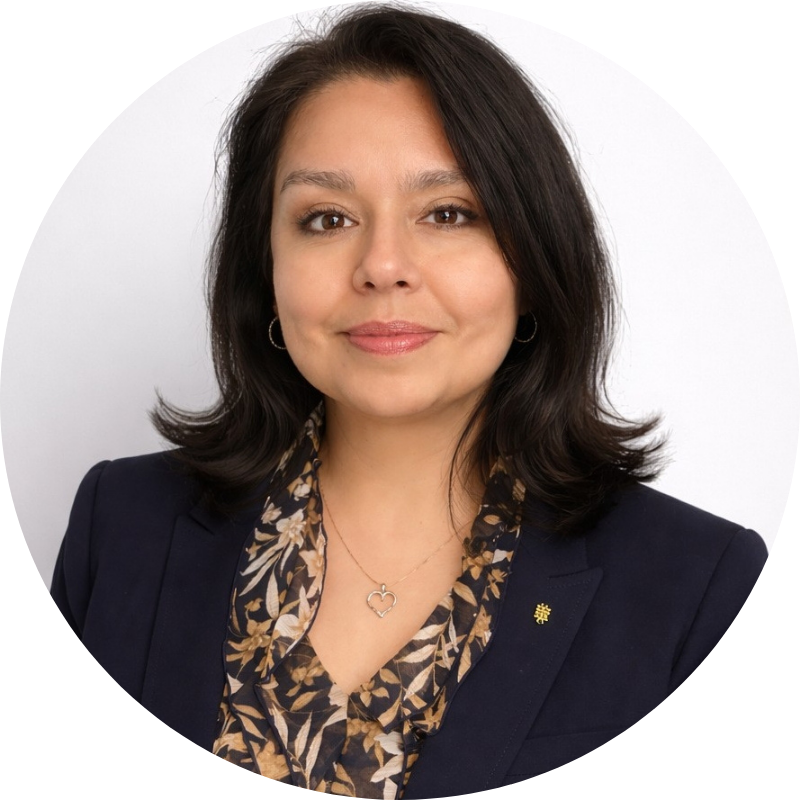
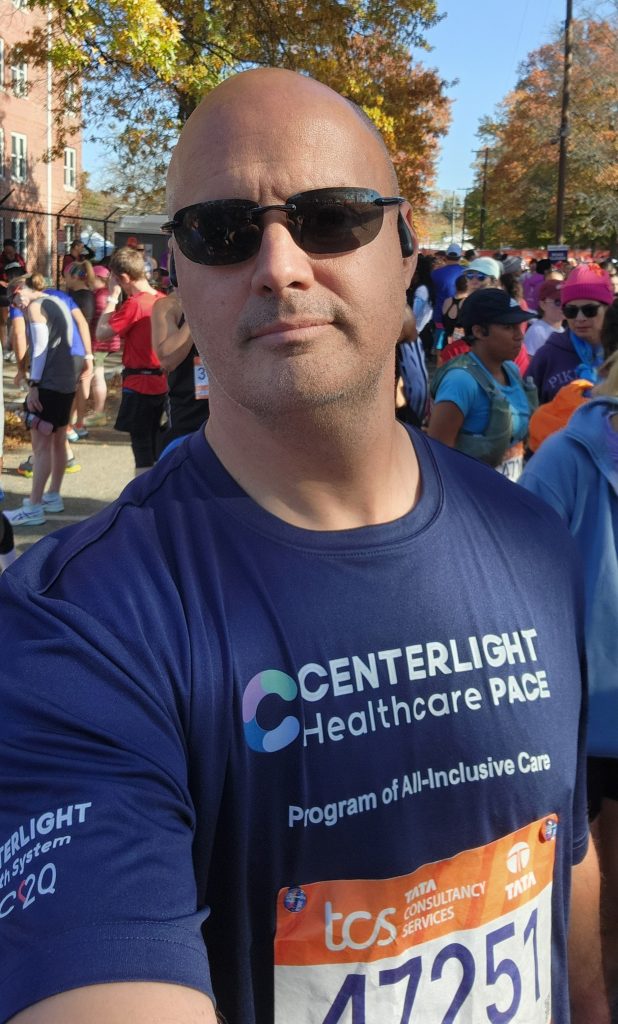
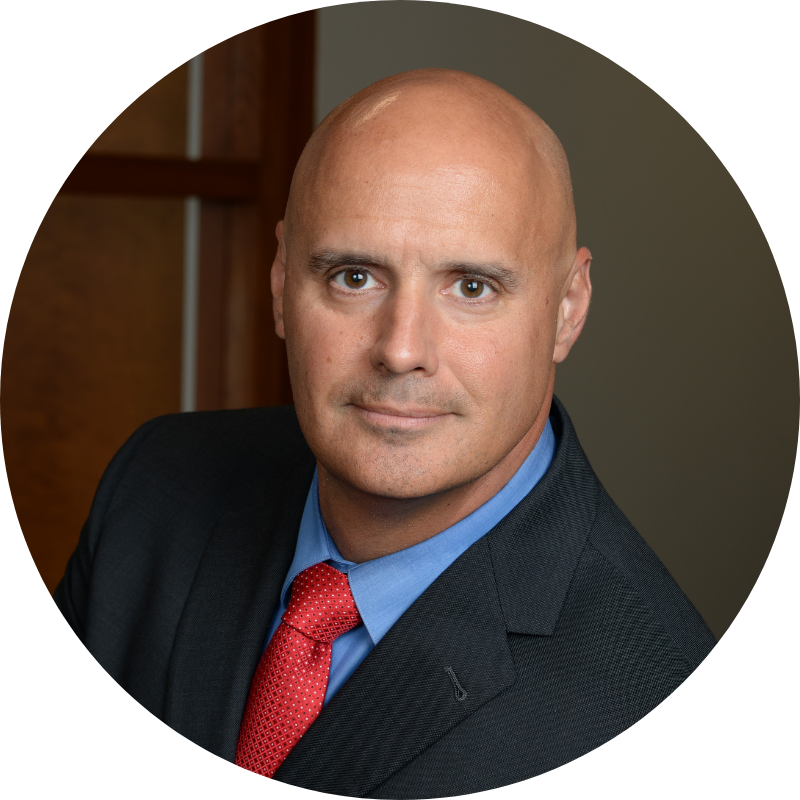
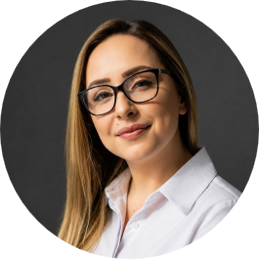
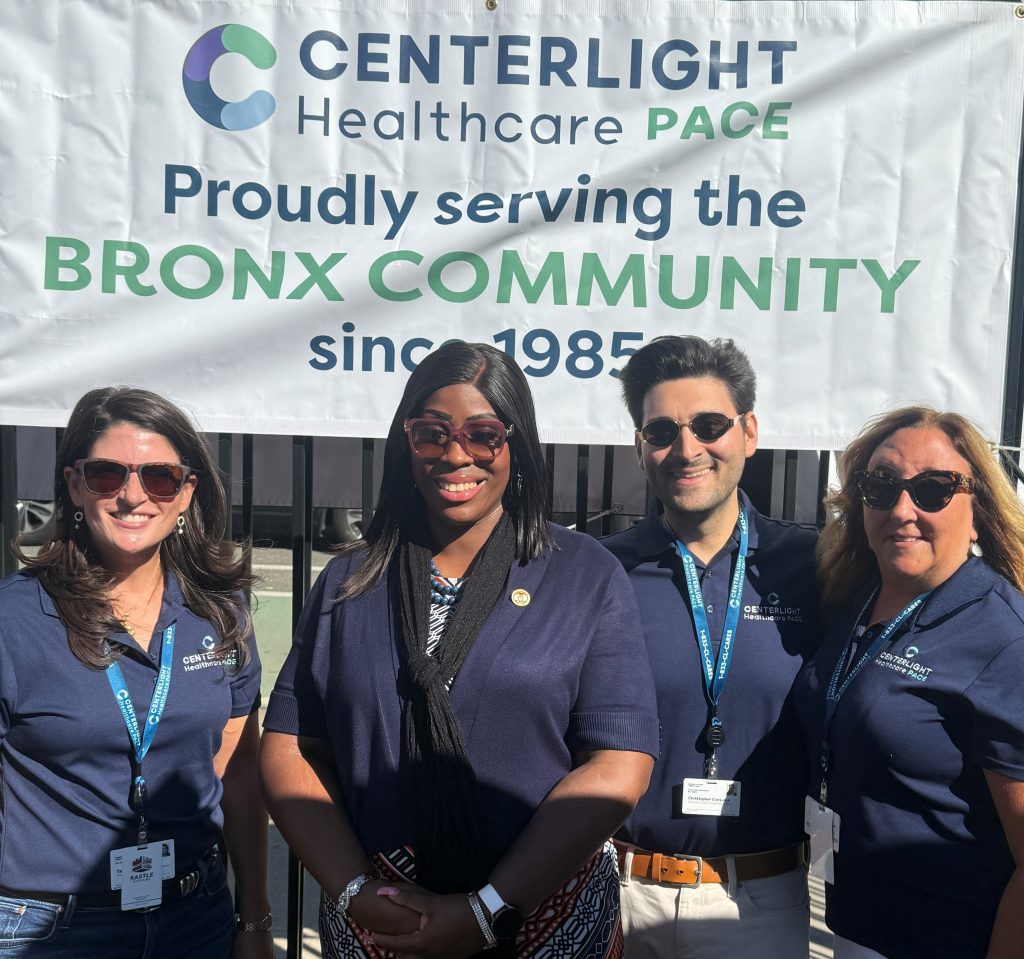
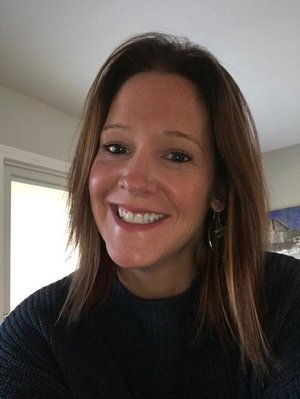
Meet Christopher Consalvo, CenterLight’s Assistant Vice President of Government Affairs and Development. Behind the scenes, he works to advance initiatives that support PACE growth across Metro New York, serving as a trusted liaison to federal, state and local agencies. 

Chris shared that it was “Schoolhouse Rock” that sparked his interest in politics as a child. Growing up in the wake of 9/11 also deepened his fascination with how government responds during times of crisis.

Chris later became active in student government during high school and college and volunteered on political campaigns. Before transitioning into healthcare government relations, he worked for the NYC Community Board and served as a staff member for a New York State Senator.

In His Own Words

How does government relations support and strengthen the PACE model?

"The PACE model is jointly funded by federal and state government, and it operates within a complex web of rules and regulations at both levels. Legislators in Washington, D.C. and Albany — as well as regulators at the Centers for Medicare & Medicaid Services (CMS) and the New York State Department of Health — directly impact our daily operations.

By building and maintaining strong relationships with government partners, we help ensure the program’s long-term success through trust, accountability, and understanding. Compared to other parts of the long-term care system, PACE is still relatively small and doesn’t always receive the attention it deserves. A key part of my role is ensuring policymakers not only understand PACE but are positioned to become champions for it.

Effective government relations rely on storytelling. When I meet with elected officials and their staff, I share stories about our participants and the staff who go above and beyond for them. These are their constituents — and when our stories become their stories, the importance of PACE comes sharply into focus."

Why is government relations important for the communities that PACE serves?

"Ageism is real, and too often the voices of older adults are overlooked. Even though many legislators are older adults themselves, ensuring aging communities are fully heard can still be a challenge.

When elected officials tour our PACE Centers and see how active and engaged participants are, it challenges preconceived notions about aging. Showcasing older adults through the PACE model strengthens support for the program and connects us with individuals and organizations advocating for older adults. That’s how strong coalitions are built — and coalition-building is essential to expanding PACE into more communities."

What’s one moment that reinforced the importance of your work for PACE participants?

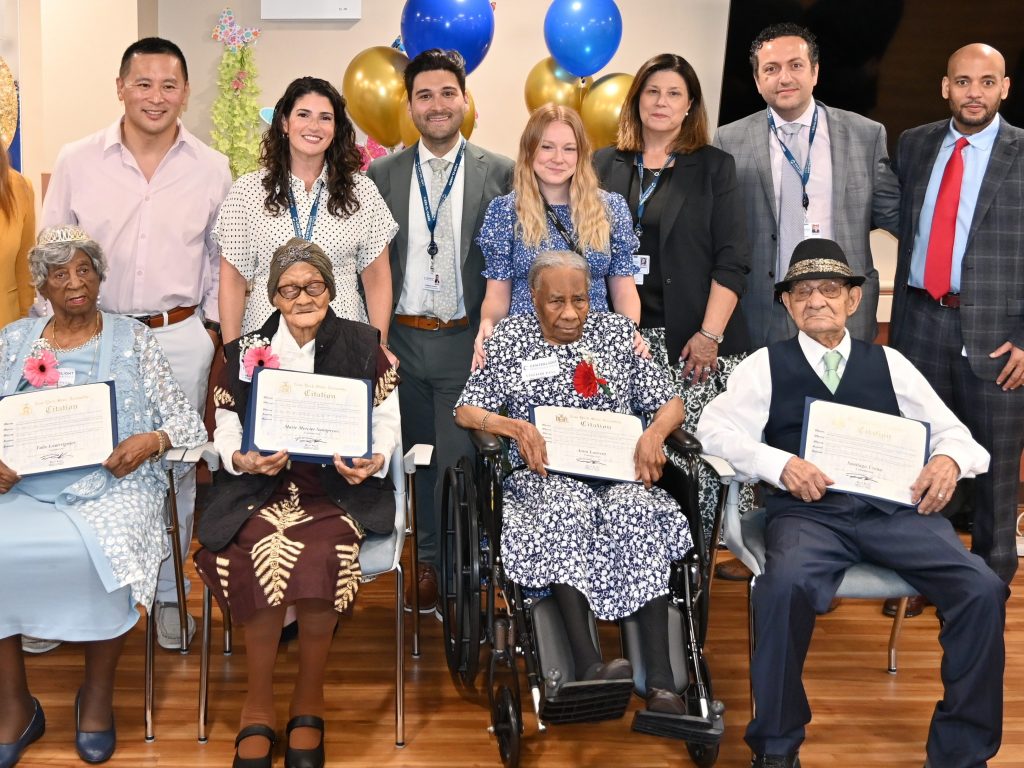
"Our first-ever Centenarian Day truly reinforced the importance of this work. Celebrating participants who reached 100 and beyond was a powerful testament to the PACE model.

Assemblymember Ron Kim attended and presented our centenarians with official citations from the New York State Assembly. He spoke about his connection to older adults, his Korean heritage, and brought his school-aged daughter — a symbolic bridge across generations. The year prior, his office awarded CenterLight critical capital funding to replace the elevators at the Flushing site. That moment captured how proactive engagement with elected officials can lead to meaningful outcomes for our participants."

What motivates you to advocate for older adults?

"If we’re lucky, we enter our senior years healthy and supported. But that doesn’t happen by accident — it requires planning, community and strong government programs like PACE.

I’m grateful to still have both of my grandmothers, who shaped my upbringing (and made me a better cook and baker). I’ve always been an old soul and find older adults to be a tremendous source of wisdom. I love that CenterLight celebrates each participant as an individual, giving them opportunities to share their stories and express themselves authentically."

What does serving the underserved mean to you personally?

"When developing advocacy positions, I keep the well-being and quality of life of our participants front and center. I often think of novelist Alice Walker’s quote: “The most common way people give up their power is by thinking they don’t have any.”

Challenges that feel insurmountable alone can often be addressed when people come together and use their voices collectively. Advocacy is a powerful tool — but most powerful when shared. I’m especially excited about the opportunity to bring several of our participants to Albany next month so they can speak directly with elected officials about their experiences at CenterLight."


Christopher Consalvo is Assistant Vice President of Government Affairs and Development at CenterLight Health System.

H3329 NoPOInfo_Govt_Relations_Testimonial
Last Updated February 9, 2026

The Role of the Pharmacy Team in Providing All-Inclusive Care

< view all blog posts

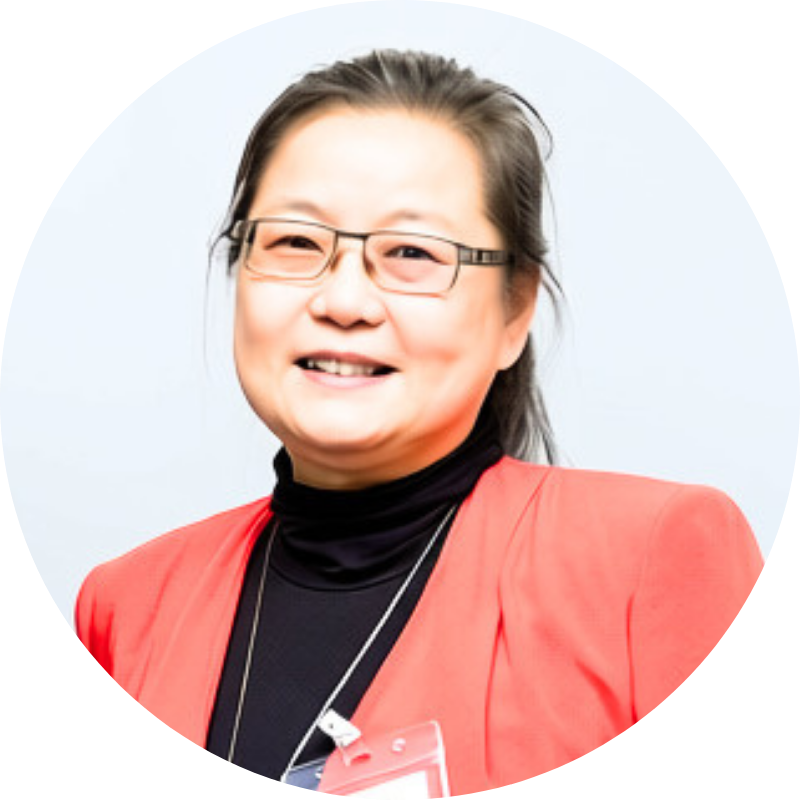
Shu Jing, PharmD, MS, is the Senior Director of Pharmacy at CenterLight Healthcare Program of All-Inclusive Care for the Elderly (PACE). In this video, Shu speaks about the role of the Pharmacy Team in providing care to our participants.

Video approved on HPMS: H3329 CL_ShuTestimonial Approved 12172025
Last Updated December 17, 2025

Our Very Own Painting Guru

< view all blog posts

Celebrating 25 Years of Making a Difference Through Therapeutic Recreation

Michelle Van Etten, Therapeutic Recreation Specialist (TRS) at CenterLight Healthcare Program of All-Inclusive Care for the Elderly (PACE), is celebrating 25 years at the organization in 2025. We spoke to Michelle about her commitment to CenterLight participants and to making a difference in their lives.

What inspired you to choose a career in healthcare, specifically in therapeutic recreation?

Growing up, I was always interested in recreation, crafts, and being creative. As a teenager, I worked as a camp counselor and later with an organization which supported people with disabilities. I loved taking them on trips and engaging them in activities. I originally planned on going to college for occupational therapy before I discovered Therapeutic Recreation.

How did you first start your journey at CenterLight?

After working in assisted living and nursing homes, I realized I wanted something different. In those settings, I often felt unfulfilled leaving at the end of the day because the patients stayed behind.

Then I came across CenterLight in 2000, I had only been out of school about a year. I immediately loved the concept and mission: keeping participants in their homes while still offering a place where they could socialize, eat meals, and take part in activities. It reminded me of a school for older adults, with a day full of programs and then the comfort of returning home afterward.

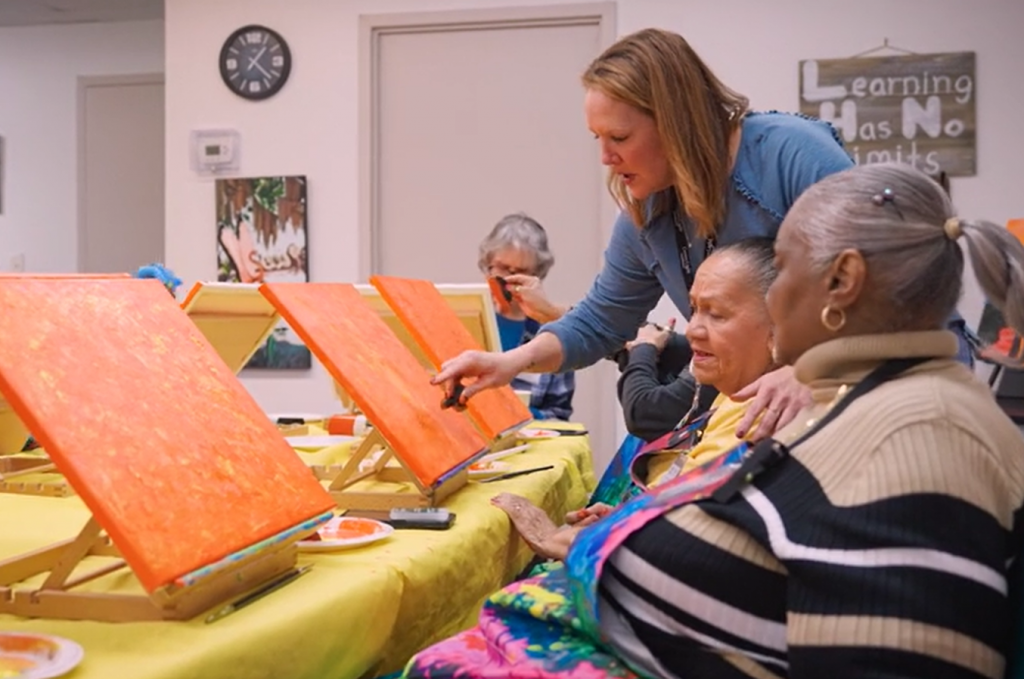
That’s also when I started the painting group. A few participants were looking for something new, and since I’ve always loved art, I introduced it. They quickly embraced it, and it’s grown into a central part of my work ever since.

Can you walk us through a typical day in your life as a TRS?

I like to greet every participant individually. It’s important to me to connect personally. After breakfast, we begin morning activities. Sometimes that’s the painting group in our dedicated art room, which makes participants feel special, like true artists with their own studio.

Afternoons might include entertainment, adaptive sports, trivia, bingo, or word games. We make sure there’s variety so everyone has something they enjoy. Beyond activities, we’re also part of the care team. Participants often come to us with concerns, and since we spend so much time with them, we help triage and connect them with the right support.

What do you consider the most rewarding aspect of your job as a TRS?

Seeing participants build confidence. So many came in saying, “I can’t paint,” and then they surprise themselves. I’d start simple like holding a brush, dabbing paint, drawing a heart and watch their skills grow. The joy and pride they feel in their work is the most rewarding part.

Some participants even shared that when they were younger, opportunities like this weren’t available to them, especially for women. So being able to give them this chance now means a lot.

Share a memorable story involving a participant that has stuck with you throughout your career.

During COVID, I started virtual painting sessions. I FaceTimed with participants and we had supplies sent to their homes. Even though we were apart, we could still paint together. That experience reminded me how important creativity and connection are, and it’s one of my favorite memories.

After 25 years of working at CenterLight, what continues to connect you with the organization's mission?

The appreciation, kindness, and thoughtfulness of the participants when I see them. They make me happy--they've become like part of my family.

I also have had so much support from my managers and my department. Anytime I've had an idea or wanted to try something new for the participants, they work with me to make it happen.

What is your personal mission as a TRS?

I want to help each participant reach their full capability with their creativity and art skills. I want to bring everybody up, from being a beginner to where they could say, "I'm really an artist!" It is my goal to do this for as many participants as possible.

H3329 Blog_NoPOInfo_Michelle
Last updated October 15, 2025

Being a Physical Therapist is more than just a job—it’s a calling.

< view all blog posts

Tatyana Brisman, PT, is celebrating her 20th year of working at CenterLight Healthcare Program of All-Inclusive Care for the Elderly (PACE) in 2025. We spoke with Tatyana to learn more about her journey as a physical therapy and rehabilitation professional.

How did you get started at CenterLight?

I began my journey with CenterLight Healthcare PACE in July 2005 as a Senior Physical Therapist. Just one year into my role, I was honored to be promoted to Rehabilitation Manager—a position that allowed me to grow both professionally and personally.

How do you view your role at CenterLight?

Over the years, my responsibilities have evolved, but my mission has remained the same: to ensure our participants are safe in their communities by providing high quality care and being a supportive, collaborative member of the care team.

What is the best thing about being in the healthcare/ rehabilitation field?

Working in healthcare and rehabilitation is incredibly rewarding. The greatest joy comes from helping participants reach their maximum level of function and seeing their quality of life improve. Whether it’s helping someone walk again after orthopedic surgery, supporting stroke recovery, or reducing pain and restoring mobility—every success story is a powerful reminder of why I chose this career.

Some of the most meaningful moments come from simple yet impactful interventions, like conducting a Home Safety Evaluation that helps someone remain safely in their home. Seeing a participant regain independence, walk more confidently, or even cry tears of joy after recovery—those are the moments that make this work truly worthwhile.

What advice would you give to someone who wants to have a long career?

My advice to anyone in this field: always put participants first. Be compassionate, be a team player, and strive to create a family-like environment. Embrace change, be willing to learn, and grow with the fast-paced nature of healthcare.

Being a Physical Therapist is more than just a job—it’s a calling. And I’m grateful every day to be part of a field that makes such a difference in people's lives.


Tatyana Brisman, Physical Therapist and Regional Rehabilitation Manager at CenterLight Healthcare PACE.

H3329 Tatyana NoPOInfo
Updated 05162025

Social Work at CenterLight Healthcare PACE

< view all blog posts

Social Workers are important members of the CenterLight Healthcare Program of All-Inclusive Care for the Elderly (PACE) Interdisciplinary Team (IDT). Every day, our social work professionals collaborate with the rest of the care team to help our participants continue to live safely and independently in their own homes and communities. In this blog post, Kim Sodano, LCSW, LNHA, Director of Social Work at CenterLight Healthcare PACE, discusses the role of social workers in the IDT.

What is the role of a social worker?

Social workers provide counseling, emotional support, referrals, entitlement assistance, and more. CenterLight PACE participants know that social workers are part of their care team, and that they can come to us if they have a question, need assistance, or if they received a bill that they don't understand. We're here to guide them and be there for them as they keep up with the pace of aging.

How does the social worker collaborate with the rest of the care team?

As part of the IDT, social workers are involved in the discussion of effective treatment and any other issues that may affect our participants' care. We make sure that all aspects of the their situation is taken into consideration in their plan of care and addressed accordingly.

Each participant is assigned a social worker.

CenterLight Healthcare PACE participants are assigned a social worker who gets to know them--not only their medical diagnoses, but also their social, behavioral, emotional, and basic needs. Since we are based at the PACE centers, we are always available if they need assistance. Our participants can also call us, and we meet with them at the PACE centers or in their own homes.

Why did you become a social worker?

I became a social worker to make a positive impact toward social change. Being an advocate for individuals and communities while witnessing resilience and transformation is extremely rewarding.


Kim Sodano, LCSW, LNHA, is the Director of Social Work at CenterLight Healthcare PACE.


H3329_SocialWork2025Blog Approved 02202025
Last updated January 15, 2025

分享攝影的禮物

< view all blog posts

當您進入一棟建築物時,首先看到的是什麼?是什麼讓您有賓至如歸的感覺?除了人之外,是什麼讓一個地方讓人感到溫暖?

走進 CenterLight Healthcare Program of All-Iclusive Care for the Elderly (PACE) 的十一家中心之一,您會在大廳看到色彩繽紛、美侖美奐的攝影作品,這是網路與廠商合約部助理副總裁Angie Lavigat 的功勞。

我們與 Angie 討論了與 CenterLight PACE 參加者和工作人員分享攝影禮物的感受。以下是我們對話的一些重點。

您攝影多久了?

我一直都有拍照,甚至在我年輕的時候。大約 10 年前,我開始專業攝影。能參與人們生活中的特殊事件是我的榮幸。而現在我的照片大多是自然風光,我喜歡捕捉周圍的美景。


您最喜歡攝影的哪一方面?

攝影是一種凝固時間的方式。我喜歡記住一幀幀照片中捕捉到的瞬間,那些由照片喚起的特殊回憶和感受

您的照片是如何出現在 CenterLight PACE 中心大廳的?

我和同事們一起進行一項特別的美化計畫。這些中心充滿了生命力,中心裡的人也讓人感到溫暖。我們的參加者和工作人員讓這些場所成為一個美麗的地方,只因為他們是這樣的人。但是環顧四周,空間卻缺少了一些東西。因此,我們萌生了將參加者、員工和訪客喜歡看的照片張貼出來的想法。

我感到很榮幸,因為我拍攝的照片被選中在這些地點展出。CenterLight 對我來說非常特別,因為我已經在這裡工作了 30 年。我開始利用自己的時間,特別為這個專案拍攝更多的花園和花卉照片,包括我在亞利桑那州沙漠植物園旅行時拍攝的照片,以及一些來自橘郡植物園的照片。這是一項愛心的勞動。 我想要確保照片完美無瑕,因為我們的參加者和工作人員值得擁有這樣的照片。

在 CenterLight PACE 中心展示您的照片的最大好處是什麼?

在 CenterLight PACE,我們的使命是幫助豐富我們服務對象的生活。我很感謝自己每天都能為實現這個使命盡一份微薄之力,而且當我們的參加者來到我們的 PACE 中心時,他們會看到我拍攝的照片。當我聽到這些展示讓人們臉上露出笑容時,那是最棒的感覺。我甚至聽說有人看到照片後哭了。我知道自己能夠透過攝影來分享美麗,並讓他人的生活有所改變,這讓我感到非常感動和謙卑。

我非常紮根於 CenterLight。它就像是我的第二個家,就像我們中心的參加者和我的同事的第二個家一樣。我想不出有比在一個對這麼多人來說有如此深刻意義的地方,更適合我攝影的地方了

您希望人們從您的照片中得到什麼?

當參加者、工作人員和訪客看到我的照片時,我希望他們能看到大自然的美,並記得無論如何,生命都是美好的。

下面請欣賞幾張 Angie 的照片!
(請點擊照片查看高解析度版本。)

藝術是 CenterLight Healthcare PACE 中心生活的重要部分。請留意我們即將推出的參與者藝術展公告!

H3329 Blog_NoPOInfo_Angie
最後更新 2025 年 3 月 17 日

CenterLight Healthcare 與聯邦醫療保險和醫療補助服務中心 (CMS) 及紐約州衛生局 (NYSDOH) 簽訂了 PACE 核准合約。CenterLight Healthcare PACE 的註冊取決於與 CMS 和 NYSDOH 續約的情況。參與者可能要個人承擔未經授權或 PACE 計畫協議外服務的全部費用。加入後,PACE 計畫將是參與者唯一的服務提供者。參與者將可獲得跨領域小組所確定的所有所需服務,但無法獲得這些服務的特定提供者。如需詳細資訊,請與我們聯繫。

H3329 CLPACEWebsite Approved 10222024

Last Updated on February 19, 2026
The owner of this website has made a commitment to accessibility and inclusion, please report any problems that you encounter using the contact form on this website. This site uses the WP ADA Compliance Check plugin to enhance accessibility.