How to Manage Stress as You Age

< view all blog posts

The golden years are often depicted as a happy, worry-free time, but the reality is that many older adults are dealing with new sources of stress. According to the National Council on Aging, some of the most common causes are:

  • Chronic illness
  • Caregiving responsibilities
  • Loss and grief
  • Feeling of isolation and loneliness
  • Financial worries
  • Major life changes including retirement or moving

CenterLight Healthcare’s Program of All-Inclusive Care for the Elderly (PACE) provides older adults with services that support their mental, physical and social health so they can enjoy this time in their life — feeling healthy, happy and stress-free.  

Just Keep Moving!

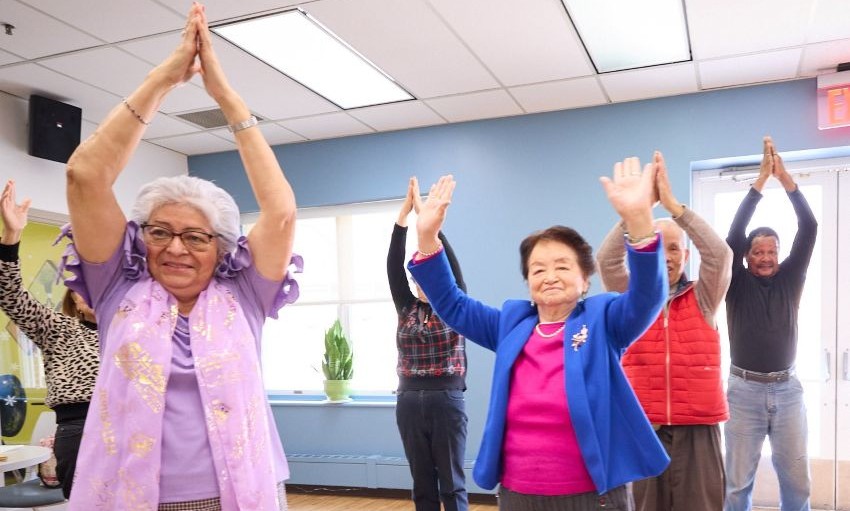
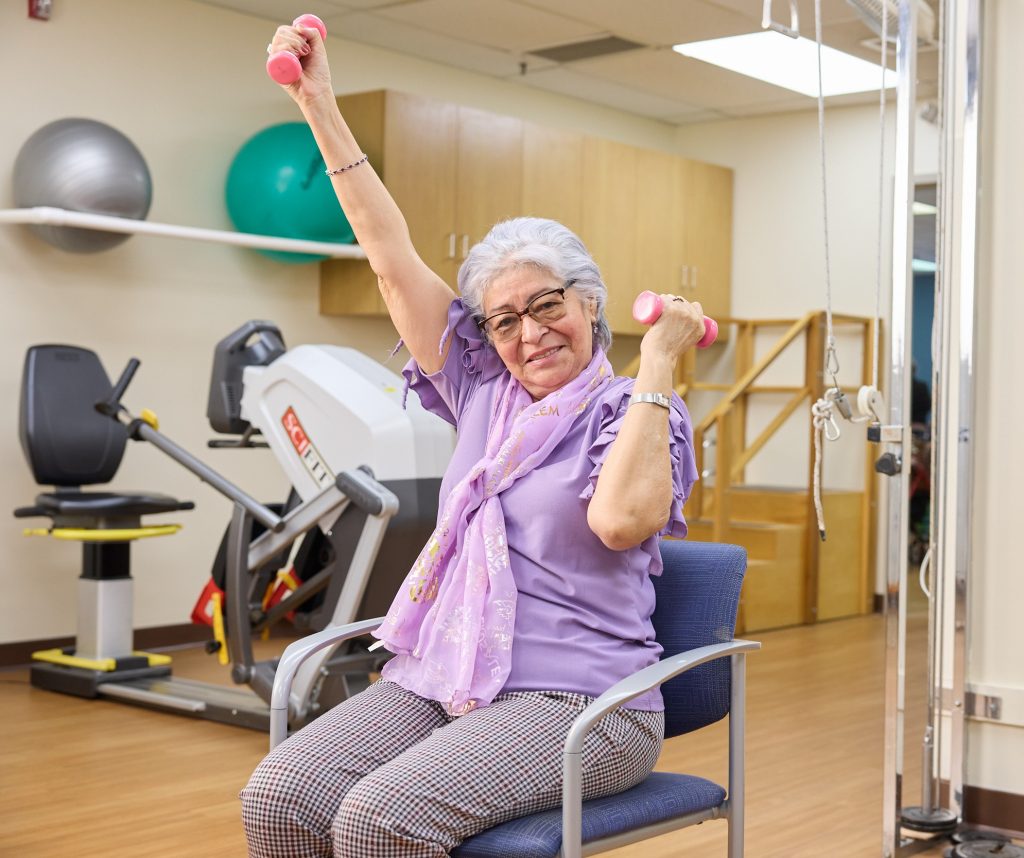
Physical and mental health go hand in hand. Being active can boost your mood, improve sleep and support overall well-being. At CenterLight PACE, our rehabilitation team works with participants on building and maintaining strength and managing health conditions so they can remain living safely and independently at home. Our PACE Centers also have an open gym that have state-of-the-art equipment available for use. Participants also enjoy dance, yoga, chair exercise and other movement activities offered on site.

Take Time to Relax and Connect with Others

CenterLight PACE Centers have something for everyone, whether it’s rediscovering an old hobby or finding a new passion.Participants enjoy art, crafts, music, gardening, trips, outdoor activities and so much more. It’s the perfect place to relax and enjoy what you love. Our Therapeutic Recreation team plans activities to suit the needs of participants.

Eat Well to Age Well

Food is fuel and provides many health benefits. CenterLight PACE Centers offer healthy breakfast and lunch options to participants. Our Nutrition Team also works with participants to create individualized meal plans to help them manage chronic diseases.

Prevention is Better Than a Cure

One of the biggest causes of stress for older adults is living with chronic illnesses. It’s more important than ever to keep up with preventive care to identify potential health issues early and prevent them from getting worse. According to the Centers for Disease Control (CDC), over 90% of older adults have at least one chronic condition. With all-inclusive care, our medical services are located within our PACE center. Transportation is provided to and from the PACE center or appointments with in-network community providers. For those who can’t travel, home care services are also an option.   

সেন্টারলাইট হেলথকেয়ার PACE সম্পর্কে

CenterLight’s Program of All-Inclusive Care for the Elderly (PACE) aims to provide whole-person care that enriches the lives of participants and helps them live safely in their homes and communities. The care teams at our 11 PACE Centers work side by side to provide knowledgeable, attentive and culturally sensitive care to our members and are fluent in both the languages and customs of our participants.


সেন্টারলাইট হেলথকেয়ার PACE ব্যক্তিদের ভালভাবে বাঁচতে, সুস্থ থাকতে এবং স্বাস্থ্যসেবা সংক্রান্ত সুনির্দিষ্ট সিদ্ধান্ত নিতে সাহায্য করার জন্য সঠিক স্বাস্থ্য-সম্পর্কিত তথ্য প্রদান করতে প্রতিশ্রুতিবদ্ধ। এই উপাদান তথ্য কঠোরভাবে শিক্ষামূলক. আমরা সুপারিশ করি যে ব্যবহারকারীরা তাদের যত্নের বিষয়ে তাদের চিকিৎসা প্রদানকারীর সাথে পরামর্শ করুন।


About the Author

This blog post is written by Kim Sodano, LCSW, LNHA, Director of Social Work at CenterLight Healthcare PACE.

In her own words:

"I became a social worker to make a positive impact toward social change. Being an advocate for individuals and communities while witnessing resilience and transformation is extremely rewarding."


Sources:
Important facts about falls. (2024). Centers for Disease Control and Prevention. https://www.cdc.gov/chronic-disease/about/index.html
Trends in Multiple Chronic Conditions Among US Adults. (2025). Centers for Disease Control and Prevention. https://www.cdc.gov/pcd/issues/2025/24_0539.htm
Managing Stress. (2025). Centers for Disease Control and Prevention. https://www.cdc.gov/mental-health/living-with/index.html
Stress and How to Reduce It: A Guide for Older Adults. (2025). https://www.ncoa.org/article/stress-and-how-to-reduce-it-a-guide-for-older-adults/

H3329 Blog_NoPOInfo_Managing Stress
Updated April 20, 2026

Meet Artist and CenterLight PACE Participant Sister Mary Anna Euring, O.P.

< view all blog posts

Sister Mary Anna Euring, O.P., an artist and mind-body-spirit specialist, says CenterLight PACE has helped her continue living with purpose, creativity and independence at 86 years young. A PACE participant since 2018, she continues to share beauty, inspiration and joy through her artwork.

In her own words, “I'm very fond of CenterLight and the staff here. They're caring. They're loving. And they answer and take care of my needs. Everybody is treated with such dignity and respect.” – Sister Mary Anna Euring, O.P.

View Sister Mary Anna's full testimonial below:

H3329 NoPOInfo_Sister MaryAnnaTestimonial
Updated April 21, 2026

Spring Allergy Prevention: Tips to Breathe Easy This Season

< view all blog posts

How to Prevent and Minimize Allergies as Nature Blooms

Spring is a beautiful time of year, with flowers blossoming and trees turning green. But for many, it also marks the beginning of allergy season.

According to a 2024 study conducted by the National Center for Health Statistics, 25.2% of adults aged 18 and older suffer from seasonal allergies.* So if you find yourself sniffling, sneezing, or dealing with itchy eyes, you’re not alone.

Allergies are caused by pollen, mold, and other airborne irritants that are more prevalent during spring. Thankfully, there are several ways you can minimize your symptoms and make the most of the season.

What Causes Seasonal Allergies?

Understanding what sets off your allergies is the first step. Common spring allergens include tree pollen, grass pollen, and mold spores. Avoid exposure by:

  • Keeping track of your symptoms.
  • Checking daily pollen counts in your area.
  • Staying indoors when counts are high.

Keep Your Indoor Environment Clean

Although pollen outdoors is often the main cause of allergies, allergens can easily find their way into your home. Some things that you can do include:

  • Regularly clean floors and surfaces.
  • If possible, use a HEPA filter in your HVAC system.
  • Keep windows closed on windy days.
  • Wash your bedding regularly.
  • Change your clothes after being outside.

Practice Smart Outdoor Habits

When spending time outdoors, consider:

  • Wearing sunglasses and a hat to block pollen from your eyes and hair.
  • Showering after outdoor activities.
  • If you exercise outside, choose early mornings or late evenings when pollen levels tend to be lower.

Consult With a Healthcare Professional

If your allergy symptoms are persistent, don’t hesitate to speak with a medical provider. If you are a CenterLight Healthcare Program of All-Inclusive Care for the Elderly (PACE) participant, please notify your care team.

Medical professionals can recommend over-the-counter or prescription medications, depending on your condition. In some cases, allergy shots may also be an option for long-term relief.

Embrace Spring with Confidence

By taking proactive steps to prevent allergies, you can enjoy all the beauty spring has to offer. With a little extra care, your days can be filled with fresh air, sunshine, and fewer sniffles. Remember, prevention is key to making the most of the season!

সেন্টারলাইট হেলথকেয়ার PACE ব্যক্তিদের ভালভাবে বাঁচতে, সুস্থ থাকতে এবং স্বাস্থ্যসেবা সংক্রান্ত সুনির্দিষ্ট সিদ্ধান্ত নিতে সাহায্য করার জন্য সঠিক স্বাস্থ্য-সম্পর্কিত তথ্য প্রদান করতে প্রতিশ্রুতিবদ্ধ। এই উপাদান তথ্য কঠোরভাবে শিক্ষামূলক. আমরা সুপারিশ করি যে ব্যবহারকারীরা তাদের যত্নের বিষয়ে তাদের চিকিৎসা প্রদানকারীর সাথে পরামর্শ করুন।

*Source: National Center for Health Statistics, Center for Disease Control and Prevention, https://www.cdc.gov/nchs/products/databriefs/db545.htm


About the Author

Indy Toussaint, RN, is a Diagnostic and Treatment Center Regional Administrator at CenterLight Healthcare.

In her own words:

"I chose to work in healthcare because I want to support and be there for people. It gives me a strong sense of purpose and fulfillment knowing I can make a meaningful impact in their lives. I enjoy being able to catch potential issues early, monitor our participants' progress, and educate them about lifestyles changes, medications and the importance of healthy living. Building relationships with participants is especially important to me, so they can feel comfortable, supported, and know that someone genuinely cares about their well-being."

H3329 BlogNoPOInfo SeasonalAllergies
Updated April 15, 2026

Planning for Peace of Mind: What You Need to Know About Advance Directives

< view all blog posts

It’s an emotional time when a loved one is facing a medical crisis. Family members may need to step in and make quick decisions on your behalf — often without knowing exactly what you would want. This can lead to stress, uncertainty and even conflict.  

Conversations about end-of-life care are never easy. They are deeply personal and often shaped by culture, faith and values. But taking control of your future healthcare decisions can provide peace of mind — not just for you, but for your loved ones as well. After all, it’s your decision that matters.

What are Advance Directives?

Advance Directives are legal documents that outline your healthcare wishes in case you are unable to speak for yourself.

With a little planning, you can clearly communicate your preferences to help your family, caregivers and healthcare providers follow the decisions that matter most to you.

Make Your Wishes Known: The Importance of Advance Directives

“Although advance care planning is a critical part of patient care, only about 50% of older adults have engaged in advance care planning. Of those older adults, about one-third have documented their wishes and only 10%–20% discussed their wishes with clinicians,” according to the National Committee for Quality Assurance (NCQA). The reasons vary, but may include lack of awareness or understanding, procrastination, or discomfort discussing the topic.

Having a plan in place can:

  • Let your voice be heard when it matters most.
  • Ensure your loved ones are not left guessing and feeling overwhelmed.
  • Help reduce family conflict or disagreements.
  • Allow your care team to better understand your choices and act quickly.

Types of Advance Directives

  • A Health Care Proxy lets you choose someone you trust to make medical decisions on your behalf.
  • A Living Will explains the type of medical care you would or would not want. This may include preferences about:
    • Life-sustaining treatmentsFeeding tubes or IV nutrition
    • Pain management and comfort care.
  • A Medical Order of Life Sustaining Treatment (MOLST) is a medical form that translates your wishes into a doctor’s orders that must be followed by healthcare professionals, including emergency personnel. The document travels with you across care settings — home, hospital or nursing facility. It may include decisions about:
    • CPRUse of breathing machines
    • Hospital transfers and other life-sustaining measures.
  • A Do Not Resuscitate (DNR) is a written order signed by a healthcare provider for people who are seriously ill or are at an advanced age and do not want any life-saving measures if their breathing or heart stops. They will still receive care to keep them comfortable.

Your preferences may change over time, so it’s important to review and update your advance directives — especially after major life or health changes.

Don’t Wait for a Crisis

Planning for the future is a gift — to yourself and to the people who care about you. By taking the time now to make your wishes known, you can reduce stress and ensure your decisions are honored.

Speak to your healthcare provider for more information.


CenterLight Healthcare PACE is committed to providing accurate information to help individuals plan for the future and make informed decisions about their care and personal wishes. The information in this material is strictly educational. We recommend consulting with a social worker, legal advisor or medical provider.


About the Author

This blog post is written by Kim Sodano, LCSW, LNHA, Director of Social Work at CenterLight Healthcare PACE.

In her own words:

"At CenterLight PACE, helping our participants prepare advance directives is part of supporting their health and independence. Planning ahead not only ensures that their wishes are honored — it provides their family and caregivers with peace of mind.”


সূত্র:

Advance Care Planning: Advance Directives for Health Care (October 31, 2022), NIH National Institute on Aging (NIA) nia.nih.gov/health/advance-care-planning/advance-care-planning-advance-directives-health-care
Advance Care Planning (July 2025), New York State Department of Health (July, 2025), health.ny.gov/community/advance_care_planning/Advance Care PlanningAdvance Care Planning (n.d.), National Committee for Quality Assurance (NCQA), ncqa.org/report-cards/health-plans/state-of-health-care-quality-report/advance-care-planning-acp/

H3329 Blog_NoPOInfo_Advance Directive
Updated April 9, 2026

How CenterLight PACE Supports Everyday Living

< view all blog posts

Aging well isn’t just about doctor visits and prescriptions. It’s about staying connected to the community and being able to manage everyday needs. For many older adults with complex health conditions, coordinating care, managing appointments, and handling everyday activities can become difficult over time. Programs that bring these supports together in one place can help reduce that burden.

That’s where CenterLight Healthcare’s Program of All-Inclusive Care for the Elderly (PACE) comes in, offering a support system built around the unique needs and preferences of older adults.

All the Care You Need

CenterLight PACE serves adults aged 55 and over who have Medicaid and/or Medicare, need more than 120 days of community-based long-term care, and live in their service area.*

The organization’s mission is to provide individualized care that enriches the lives of those they serve and helps them age in place.

Their care team — which includes, but is not limited to, doctors, nurses, therapeutic recreation specialists, physical and occupational therapists, social workers, and dietitians — works together to provide all the care their participants need. Their services include medical care, prescription medications, vision and dental care, socialization and recreation activities, rehabilitation, home care, transportation to and from medical appointments and the PACE center, and more. In addition, participants have access to the CenterLight open gym as well as their Day Health Center, where they can enjoy nutritious meals and therapeutic recreation activities.

By organizing care through one program, CenterLight PACE aims to reduce unnecessary hospital visits and help participants continue living in their homes and communities rather than transitioning to nursing facilities.

The “My Needs Card:” Supporting Everyday Life

Beyond these services, CenterLight PACE recognizes that practical, everyday needs matter, including groceries, household essentials, and more. CenterLight’s “My Needs Card” gives an extra layer of support, helping ensure that participants thrive with independence.

Every month, CenterLight PACE participants receive $220 (no rollover)** to spend on items that support quality of life. Instead of worrying about small but essential expenses, participants can use the card to support their routines and personal preferences, including stocking the kitchen and covering household essentials.

The My Needs Card is also part of CenterLight’s commitment to preventive care and overall well‑being. Participants have opportunities to earn an additional $30 for each completed wellness action (up to $360 per year) by taking steps that support long‑term health, such as getting recommended vaccinations or completing annual dental and vision exams.

Since CenterLight PACE already covers prescription medications and medically necessary diabetic supplies, the My Needs Card can be used for the things that make everyday life more manageable and enjoyable. Eligible purchases include food, toiletries, over‑the‑counter items, utility bills, fitness memberships, and transportation for non‑medical needs. The card is accepted at major retailers as well as thousands of local stores, giving participants flexibility to shop where they feel most comfortable.

The My Needs Card reflects CenterLight PACE’s belief that aging well means feeling supported, respected, and in control of daily choices. 

Supporting Body, Mind, and Spirit

With older adults facing more challenges in a changing healthcare environment, CenterLight PACE is an all-in-one solution that supports the whole person – body, mind, and spirit. By combining expert medical care with social connection, community support, and added flexibility through the My Needs Card, CenterLight PACE empowers their participants to live safely and confidently in their own homes. It’s more than just healthcare. It’s a community of care built around each participant’s unique healthcare journey.

If you would like more information, you can visit their website at www.centerlighthealthcare.org or call 1-888-681-PACE (TTY 711), 8AM-8PM, Monday-Friday.

*Click here for a full list of eligibility requirements.

**Any unused monthly “My Needs Card” benefit amount expires and does not roll over to the next month. However, earned wellness rewards can be used until the end of the year. The “My Needs Card” does not substitute for required or already provided Medicaid and/or Medicare covered services under PACE. The Interdisciplinary Team determines medical necessity.

H3329 MyNeedsCard Approved 04012026

Meet CenterLight PACE Participant Evelyn Baez

< view all blog posts

Meet CenterLight PACE participant Evelyn Baez, who enrolled in our program in 2022. Evelyn describes PACE as a place where she can maintain her independence, participate in activities she loves, and be part of a supportive community.

In her own words, “I've made a lot of friends. We try to look out for each other. It's like if I'm home, but home away from home!” – Evelyn Baez

View Evelyn's full testimonial below:

H3329 NoPOInfo_EvelynTestimonial
Updated March 23, 2026

How CenterLight PACE Supports Hormonal Health

< view all blog posts

The body’s endocrine system plays an important role in regulating essential functions through hormones such as insulin, which helps control blood sugar, melatonin (which supports healthy sleep), and growth hormones that influence overall wellness. As we age, changes in hormone levels are common and can contribute to health conditions that require ongoing care and monitoring.

Hormonal/Endocrine Disorders

CenterLight PACE provides comprehensive care for participants living with conditions such as:

  • Chronic Kidney Disease
  • Diabetes
  • Hypo/Hypethyroidism
  • Renal Failure
  • Dialysis

A Team to Support Hormonal Health

At the CenterLight Healthcare Program of All‑Inclusive Care for the Elderly (PACE), our goal is to manage our participants' health and help them continue to live safely and independently in their own homes for as long as possible.

The strength of CenterLight Healthcare PACE lies in the skill and dedication of our care team, which includes, but is not limited to, doctors, nurses, physical and occupational therapists, dietitians, social workers, and therapeutic recreation specialists. Each participant receives personalized care according to their needs. For those managing hormonal or endocrine conditions, care is coordinated by the CenterLight PACE team and may include services from our extensive network of specialty providers. We also have a team of pharmacists who help with proper management of medications.

Services to Support Hormonal Health

Care for participants with hormonal or endocrine disorders may include a combination of services provided both at the CenterLight PACE Center and at home.

At the CenterLight PACE CenterAt Home
Individualized meal planPersonalized exercise programs
Support groups, workshops, and nutrition counseling from registered dietitiansAssistance provided by the Home Health Aide, Personalized Care Worker
Physical exercise and walking groupsEducational materials and monitoring devices
Medical management, including monitoring of blood sugarClinician home visits and regular follow-up
Administration of medicationsMeal planning and support to promote hormonal balance
Dialysis center collaborationTransportation services

At CenterLight PACE, we take a whole‑person approach to hormonal health—providing coordinated, compassionate care that supports both medical needs and everyday well‑being. By combining clinical expertise with personalized services, we help participants manage their conditions with confidence while continuing to live comfortably and independently at home.

সেন্টারলাইট হেলথকেয়ার PACE ব্যক্তিদের ভালভাবে বাঁচতে, সুস্থ থাকতে এবং স্বাস্থ্যসেবা সংক্রান্ত সুনির্দিষ্ট সিদ্ধান্ত নিতে সাহায্য করার জন্য সঠিক স্বাস্থ্য-সম্পর্কিত তথ্য প্রদান করতে প্রতিশ্রুতিবদ্ধ। এই উপাদান তথ্য কঠোরভাবে শিক্ষামূলক. আমরা সুপারিশ করি যে ব্যবহারকারীরা তাদের যত্নের বিষয়ে তাদের চিকিৎসা প্রদানকারীর সাথে পরামর্শ করুন।


About the Author

Patricia Connelly serves as Chief Operations Officer at CenterLight Healthcare. Inspired by her mother who is a retired registered nurse, Patty built her career around a passion for caring for others. When asked what she enjoys most about working in healthcare, Patty shares that engaging with the participants who rely on CenterLight for their care is the most rewarding and fulfilling part of her role.

In her own words:

“It is inspiring to hear their stories and to know that we make a meaningful difference in their lives." 

H3329 Blog_HormonalHealth Approved 03052026
Updated February 20, 2026

Your Voice Matters: Speaking Up for Your Health

< view all blog posts

When you visit your medical provider, it’s important to let them know any concerns you may have. Feeling prepared can turn an intimidating appointment into a productive conversation that centers on you. When you take an active role, your care becomes more personal and more aligned with what matters most to you.

A little preparation goes a long way. Before your appointment, take time to organize your thoughts so you can focus on the conversation, not on trying to remember details.

Before you arrive:

  • Write down the questions or concerns you want to discuss.
  • Bring an up‑to‑date list of all medications you take, including vitamins and supplements.
  • Make note of any new symptoms, changes in how you feel, or concerns you’ve noticed since your last appointment.
  • Write down recommendations or instructions you’ve received from other medical providers, specialists, or members of your care team.

If you are prepared, your medical provider can better understand your needs and you can get the most from your visit.

During your visit: speak up and stay engaged.

Remember that your appointment is a conversation, not a one‑way exchange. It's your health, so you deserve clear explanations and thoughtful answers from your care providers.

  • Bring paper and a pen so you can write down important details or next steps.
  • If something isn’t clear, let your medical provider know. It’s okay to ask for an explanation and ask questions.
  • If they're available, consider bringing a trusted family member, friend, or caregiver for support or note‑taking.
  • Ask about different treatment options and what they mean for you.
  • Share your expectations and be open about what you do not want.

Your voice matters. The more your medical provider understands you, the better they can support your health goals.

After your appointment:

Once your visit is over, take time to reflect and follow up if needed.

  • Review your notes and make sure you understand any instructions or next steps.
  • Share updates from your visit with your caregiver and/or care team.
  • Remember: you have the right to change medical providers if you are not satisfied with your care.
  • If you feel unsure, it’s okay to seek a second medical opinion.

সেন্টারলাইট হেলথকেয়ার PACE ব্যক্তিদের ভালভাবে বাঁচতে, সুস্থ থাকতে এবং স্বাস্থ্যসেবা সংক্রান্ত সুনির্দিষ্ট সিদ্ধান্ত নিতে সাহায্য করার জন্য সঠিক স্বাস্থ্য-সম্পর্কিত তথ্য প্রদান করতে প্রতিশ্রুতিবদ্ধ। এই উপাদান তথ্য কঠোরভাবে শিক্ষামূলক. আমরা সুপারিশ করি যে ব্যবহারকারীরা তাদের যত্নের বিষয়ে তাদের চিকিৎসা প্রদানকারীর সাথে পরামর্শ করুন।


About the Author

This blog post is written by Wendy Williams, LCSW, Social Worker at CenterLight Healthcare PACE.

In her own words:

I became a social worker because I want to help people live happier and healthier lives. Over the years, I have seen people from different backgrounds experience challenges without the proper support, and I want to help make a positive difference in the community.

H3329 Blog_NoPOInfo_Advocacy
Updated March 4, 2026

For Providers: Pharmacists are Steady Hands Behind Safe, Reliable Medication Management

< view all blog posts

Pharmacists serve as steady hands behind safe, reliable medication management for CenterLight Healthcare Program of All-Inclusive Care for the Elderly (PACE) participants. The Pharmacy Team works with the Interdisciplinary Team to help participants continue to live safely and independently in their own homes and communities.

What makes the role of a pharmacist essential?

Pharmacists play an important role in the lives of CenterLight PACE participants. They provide clinical oversight and coordination by supporting the care team with medication-related decisions. Below are some ways pharmacists make a difference:

Planning medication routines

Pharmacists develop strategies to make medication schedules easier to follow and ways to include it in participants' daily habits.

Promoting collaborative workflow

Collaboration is one of the hallmarks of a PACE program. CenterLight PACE pharmacists work with all members of the care team by aligning medication refills, helping prevent duplication of care, and reducing delays in essential medications by coordinating the workflow with prescribers and pharmacies.

Preventive care

One of the roles of CenterLight PACE pharmacists is to promote preventive care by providing guidance and coordination of vaccines for influenza, COVID-19, shingles, and other recommended shots.

How Pharmacists Support the Care Team and Network Providers

Transition of Care

When a participant goes home from a hospital or moves from one of our 11 PACE sites to another, the pharmacy team reviews the participant's medication list and provides an overview of "what changed" to members of the care team.

Using the Teach-Back Method

The pharmacy team provides training to the care team on how to effectively educate participants about their medications, especially when their prescription changes. One recommendation is the "teach-back" method, where clinicians educate the participants about their medication plan and have them repeat it in their own words.

Preemptive Medication Review

CenterLight pharmacists identify each participant's unique needs. For example, if a participant has mobility issues, they help set up medication delivery or pick-up that fits the participant's routine. For those who take multiple medications, blister/adherence packs are requested to reduce missed doses.

সেন্টারলাইট হেলথকেয়ার PACE ব্যক্তিদের ভালভাবে বাঁচতে, সুস্থ থাকতে এবং স্বাস্থ্যসেবা সংক্রান্ত সুনির্দিষ্ট সিদ্ধান্ত নিতে সাহায্য করার জন্য সঠিক স্বাস্থ্য-সম্পর্কিত তথ্য প্রদান করতে প্রতিশ্রুতিবদ্ধ। এই উপাদান তথ্য কঠোরভাবে শিক্ষামূলক. আমরা সুপারিশ করি যে ব্যবহারকারীরা তাদের যত্নের বিষয়ে তাদের চিকিৎসা প্রদানকারীর সাথে পরামর্শ করুন।


About the Authors

This blog post is written by Nourin Rahman, Performance Improvement Specialist, and Shu Jing, PharmD, MS, Senior Director of Pharmacy Services at CenterLight Healthcare.

In Nourin's own words:

"My goal has always been to do work that is meaningful and not just made up of deliverables. I like being in the healthcare field, where even small improvements can make a difference in the lives of others."

In Shu's own words:

"I'm very proud to work at CenterLight PACE. The all-inclusive care that we provide is a very unique model because you get everything in one place. It is very rewarding to be working in this kind of environment and to see partcipants really thrive."

H3329 Blog_NoPOInfo_ForProvidersPharmacy
Updated February 27, 2026

The Role of Compliance in Providing High-Quality Care

< view all blog posts

Programs of All-Inclusive Care for the Elderly (PACE) play a critical role in providing care to older adults who require ongoing services and supports due to illness, disability, or aging-related issues. At CenterLight Healthcare PACE, where we coordinate complex care across our participants’ physical, social, and psychological needs, compliance is not just a regulatory requirement. Rather, it is a cornerstone of high-quality care.

Compliance is often misunderstood as a set of rules to follow or a checklist to complete. In practice, it functions as a structural support system—one that protects participants, guides teams, and reinforces standards that make safe, compassionate care possible.

Safeguarding the Rights and Well‑Being of Participants

Compliance establishes safeguards to ensure that participants are receiving the services they need when and where they need it. We are entrusted with the care of older adults who are often medically fragile and socially vulnerable. It is our job to protect their rights, establish standards and strict protocols for providing timely and high-quality care, and ensure that the services they receive are aligned with their unique needs and provided with compassion and respect.

The role of Compliance includes review of policies, procedures, and thoroughly reviewing documentation of participant care, assessments, and care planning. This includes structured processes that help reduce gaps in care, make sure that services are provided based on medical necessity, and promote trust and a sense of responsibility among all members of the Interdisciplinary Team.

Strengthening Care Through Oversight, Data, and Insight

The Compliance team conducts regular audits of documentation. Reliable and timely data and reporting enable the team to identify trends and implement care plans using the big picture—which can only be seen with complete participant records. It facilitates communication and accurate care planning, thus benefiting the participants and the quality of care they receive.

Audits establish checks and balances within the organization. Regularly reviewing operational practices provides an objective way to identify risks, inconsistencies, and areas of improvement before they negatively affect participants. Compliance audits function as a proactive tool to strengthen internal controls, support ethical decision making, and help maintain integrity of care delivery systems.

Preventing Fraud, Waste, and Abuse

Financial integrity directly supports care continuity. With PACE programs being funded through Medicaid and Medicare, Compliance monitoring facilitates proper stewardship of resources by working with teams across the organization. We aim to ensure billing accuracy, provider documentation, clinical review, appropriate provision of services, and more.

Compliance also helps shape provider network adequacy and credentialing processes. In coordination with the Provider Relations Department, the Compliance team ensures that the organization is maintaining a network capable of delivering high-quality, coordinated services. With thousands of providers in the network, an effective compliance program helps uphold ethical standards and minimize fraud, waste, and abuse.

Building a Culture of Compliance

Regulations alone do not create quality, culture does. At CenterLight Healthcare PACE, we work together to foster clear policies and accessible procedures, ongoing staff training, transparent data reporting, strict non-retaliation and open-door reporting of issues, and cross-department collaboration. Our organizational values include integrity, creativity, diversity, caring, accountability, approachability, and availability—and we strive to apply these values in everything we do.

When everyone in the organization understands that compliance’s goal is to advocate for participants’ wellbeing and support them in their work, they are more likely to engage meaningfully with regulatory requirements. A culture of compliance, then, can become a way of life instead of regular audits and occasional corrective actions.

Looking Ahead: Adapting Compliance for the Future of Care

As care models like PACE expand, the health industry continues to evolve, and regulatory scrutiny increases, compliance programs must remain adaptable. Technology, data analytics, and predictive risk modeling are becoming essential tools in identifying potential compliance and quality issues before they escalate.

Beyond focusing on leveraging technological advances, real-time data monitoring, integration of compliance with quality programs and care delivery, and strengthening oversight, the future of compliance and the impact it has in quality of care still depends on people. At CenterLight Healthcare PACE, we believe that an effective compliance program depends on staff integrity, buy-in, and a deep understanding of how doing things the right way affects not only organizational goals but more importantly, participant well-being.

The objective is for compliance to serve not merely as oversight, but as a strategic driver of excellence and high-quality care to those who need it most.

Every regulation, requirement, documentation standard, and audit process ultimately exists to ensure that participants receive safe, effective, and person-centered care.


About the Author

This blog post is written by Alicia Nelson-Jones, Chief Compliance Officer at CenterLight Health System.

In her own words:

“Compliance isn’t just about following regulations—it’s about doing the right thing and protecting the dignity, comfort, and trust of the people we serve. High-quality care means showing up each day with compassion, integrity, and a commitment to treat every one with compassion and respect.”

H3329 NoPOInfo ComplianceAndHighQualityCare
Updated February 13, 2026

Finding Community and Purpose: Muhammad’s Journey at CenterLight PACE

< view all blog posts

Meet CenterLight Healthcare Program of All-Inclusive Care for the Elderly (PACE) participant Muhammad Falzur Rahman, who has been enrolled in the program since 2024.

His inspiring journey from leading prayers as an Imam to finding a supportive community in our South Asian Cultural Alternative Care Site (ACS) in Jamaica is a testament to how CenterLight PACE helps participants continue doing what they love as they age. In the following interview, you'll discover how his experience at CenterLight PACE has transformed his daily life and helped promote his independence.

Interviewer: Please tell us a little bit about your background.

Participant: I used to lead prayers. I served as an Imam in at least three mosques. Whenever I went to my village, I led the prayers there. And here in the city, I did it regularly.

Interviewer: How was life for you when you were no longer able to lead services in your mosque?

Participant: After that, I served as a second Imam here. Initially, I started as a second Imam here. After a year, I went back home and stayed there for four months. Because of that long absence, I lost my position as they had to hire someone else.

My mental state was very bad at that time. I was surrounded by people I knew, and everyone respected me there Subhanallah, Subhanallah [Glory be to Allah]. Leaving behind that respect and everyone's love made my heart feel heavy.

Now, I am leading the prayers here at CenterLight.

Interviewer: How did coming to Jamaica ACS change your daily life?

Participant: We do exercises here. [Therapeutic Recreation Specialist] Belinda leads our exercise sessions, and she conducts very nice exercises, I enjoy them a lot. The environment, the behavior of people, and everyone's love have truly impressed me. That's why I like it here at CenterLight PACE.

Interviewer: How do you feel after spending the whole day here and then going home?

Participant: It's normal to feel a little upset, but somehow, life goes on. I carry the memories of this place with me and remember the love from everyone, that's what stays in my heart.

Interviewer: Can you describe the moment you realized you could begin leading services again at CenterLight Jamaica ACS and how did that feel?

Participant: When I started leading prayers here, everyone accepted me and liked me. At first, I suggested that someone else take the responsibility, but no one wanted to. Everyone kept requesting me to lead the prayers. That means they accepted me. I didn't step forward on my own at first. Even the head of CenterLight PACE always supported me and encouraged me to lead the prayers here.

Interviewer: And how has being part of the Jamaica ACS supported your independence, well-being and sense of progress? 

Participant: From time to time, when I sit idle for a while, I read from the Qur'an and Hadith. People listen to me, and I enjoy talking with them. I really like coming to CenterLight PACE.

Interviewer: Is there anything you would like to share with others who may be considering joining a program like the ACS?

Of course, I would. CenterLight provides many facilities. There's good food, opportunities to interact and bond with others honestly and respectfully, a chance to pray, and essentially, everything one needs is available at CenterLight PACE.

Interviewer: Suppose you go home and have relatives or friends, would you recommend that they join ACS here in Jamaica?

Yes, I always mention it at the mosque where I pray, I always talk about Center. People often ask me where I go and what I do there. I tell them that as soon as we arrive, breakfast is arranged, and they pick us up and drop us back by car. They serve breakfast, tea, and coffee very nicely, whatever someone prefers, it's provided. They also organize exercise sessions and serve juice. Everything is taken care of.  After that, they arrange proper meals for us. They serve delicious Bengali food, along with vegetables, lentils - everything is well organized for us. That's why it feels very good in the heart, and we feel happy and satisfied. Because of this, I tell people that if they are interested, they can come with me and see it themselves. I even tell my friends and relatives. Insha'Allah, there are proper ablution facilities here, separate wudu areas, and prayer rooms. There are also bathrooms and everything else is fully complete. That's why we love CenterLight PACE. Before coming here, I didn't know that CenterLight PACE provided such excellent arrangements, supported by the government. But after arriving here, I saw that everything is very well organized. Insha'Allah, that's why I like it so much.

H3329 NoPOInfo MdRahmanTestimonial
Last Updated February 12, 2026

This interview was translated by a certified translation agency.

The Importance of Government Relations and The Impact on PACE Participants in Underserved Communities

< view all blog posts

Meet Christopher Consalvo, CenterLight’s Assistant Vice President of Government Affairs and Development. Behind the scenes, he works to advance initiatives that support PACE growth across Metro New York, serving as a trusted liaison to federal, state and local agencies. 

Chris shared that it was “Schoolhouse Rock” that sparked his interest in politics as a child. Growing up in the wake of 9/11 also deepened his fascination with how government responds during times of crisis.

Chris later became active in student government during high school and college and volunteered on political campaigns. Before transitioning into healthcare government relations, he worked for the NYC Community Board and served as a staff member for a New York State Senator.

In His Own Words

How does government relations support and strengthen the PACE model?

"The PACE model is jointly funded by federal and state government, and it operates within a complex web of rules and regulations at both levels. Legislators in Washington, D.C. and Albany — as well as regulators at the Centers for Medicare & Medicaid Services (CMS) and the New York State Department of Health — directly impact our daily operations.

By building and maintaining strong relationships with government partners, we help ensure the program’s long-term success through trust, accountability, and understanding. Compared to other parts of the long-term care system, PACE is still relatively small and doesn’t always receive the attention it deserves. A key part of my role is ensuring policymakers not only understand PACE but are positioned to become champions for it.

Effective government relations rely on storytelling. When I meet with elected officials and their staff, I share stories about our participants and the staff who go above and beyond for them. These are their constituents — and when our stories become their stories, the importance of PACE comes sharply into focus."

Why is government relations important for the communities that PACE serves?

"Ageism is real, and too often the voices of older adults are overlooked. Even though many legislators are older adults themselves, ensuring aging communities are fully heard can still be a challenge.

When elected officials tour our PACE Centers and see how active and engaged participants are, it challenges preconceived notions about aging. Showcasing older adults through the PACE model strengthens support for the program and connects us with individuals and organizations advocating for older adults. That’s how strong coalitions are built — and coalition-building is essential to expanding PACE into more communities."

What’s one moment that reinforced the importance of your work for PACE participants?

"Our first-ever Centenarian Day truly reinforced the importance of this work. Celebrating participants who reached 100 and beyond was a powerful testament to the PACE model.

Assemblymember Ron Kim attended and presented our centenarians with official citations from the New York State Assembly. He spoke about his connection to older adults, his Korean heritage, and brought his school-aged daughter — a symbolic bridge across generations. The year prior, his office awarded CenterLight critical capital funding to replace the elevators at the Flushing site. That moment captured how proactive engagement with elected officials can lead to meaningful outcomes for our participants."

What motivates you to advocate for older adults?

"If we’re lucky, we enter our senior years healthy and supported. But that doesn’t happen by accident — it requires planning, community and strong government programs like PACE.

I’m grateful to still have both of my grandmothers, who shaped my upbringing (and made me a better cook and baker). I’ve always been an old soul and find older adults to be a tremendous source of wisdom. I love that CenterLight celebrates each participant as an individual, giving them opportunities to share their stories and express themselves authentically."

What does serving the underserved mean to you personally?

"When developing advocacy positions, I keep the well-being and quality of life of our participants front and center. I often think of novelist Alice Walker’s quote: “The most common way people give up their power is by thinking they don’t have any.”

Challenges that feel insurmountable alone can often be addressed when people come together and use their voices collectively. Advocacy is a powerful tool — but most powerful when shared. I’m especially excited about the opportunity to bring several of our participants to Albany next month so they can speak directly with elected officials about their experiences at CenterLight."


Christopher Consalvo is Assistant Vice President of Government Affairs and Development at CenterLight Health System.

H3329 NoPOInfo_Govt_Relations_Testimonial
Last Updated February 9, 2026

Seizures and Fainting (Syncope): Fall Prevention Guide for Participants and Families

< view all blog posts

Some older adults may have conditions that can cause them to suddenly lose consciousness from a seizure or fainting (syncope). This can result to a fall and injury. Knowing what to look for and what to do can help keep you or your loved one safe.

What's the Difference?

Seizure

A sudden brain activity causing shaking, stiffness, or loss of awareness.

Fainting

Also known as syncope, fainting is a short loss of consciousness from low blood pressure or blood flow.

Warning Signs or Symptoms

Before a SeizureBefore Fainting
Odd feeling, smell, or tasteFeeling lightheaded or dizzy
Confusion or staring spellBlurred vision or “spots”
Jerking or twitchingSweating, nausea, or feeling weak
Dizziness or sudden fearFeeling “about to pass out”

Preventing Falls

For Older Adults at Risk:

  • Sit or lie down if you feel dizzy or unsteady.
  • Avoid ladders, stairs, or heights when you're alone.
  • Use grab bars and non-slip mats in the bathroom.
  • Keep walkways clear and well lit.
  • Take medications as prescribed and don’t skip doses.
  • Eat and drink regularly to prevent fainting.
  • Stand up slowly to avoid dizziness.
  • Wear sturdy shoes with good grip.

For Family Members/Caregivers:

  • Watch for warning signs.
  • Remove clutter and cords from floors.
  • Know what to do if a spell happens.

Family/Caregiver Guide: What To Do During an Episode

If Seizure:If Fainting:
Stay calm and protect your loved one from injury.Lay the person flat and raise their legs.
Move objects away and cushion their head.Loosen tight clothing and keep their airway clear.
Do not restrain or put anything in their mouth.If they do not not wake up quickly, call 911.
Roll your loved one on the side when movements stop.
Time the seizure — call 911 if it lasts more than 5 minutes.

Call 911 if:

  • Seizure lasts more than 5 minutes.
  • Person doesn’t wake up.
  • Your loved one sustained a head injury, is bleeding, or is in serious pain.
  • You’re unsure what to do.

For CenterLight Healthcare Participants:

Speak with your medical provider and inform the CenterLight PACE Care Team.

Report any of the following to ensure your care plan is updated. Your medical provider can help adjust treatment to minimize episodes as well as improve safety.

  • New or worsening spells
  • Falls or near-falls
  • Medication side effects

সেন্টারলাইট হেলথকেয়ার PACE ব্যক্তিদের ভালভাবে বাঁচতে, সুস্থ থাকতে এবং স্বাস্থ্যসেবা সংক্রান্ত সুনির্দিষ্ট সিদ্ধান্ত নিতে সাহায্য করার জন্য সঠিক স্বাস্থ্য-সম্পর্কিত তথ্য প্রদান করতে প্রতিশ্রুতিবদ্ধ। এই উপাদান তথ্য কঠোরভাবে শিক্ষামূলক. আমরা সুপারিশ করি যে ব্যবহারকারীরা তাদের যত্নের বিষয়ে তাদের চিকিৎসা প্রদানকারীর সাথে পরামর্শ করুন।


About the Author

This blog post is written by Tatyana Brisman, PT, Regional Rehabilitation Manager at CenterLight Healthcare PACE. Tatyana celebrated her 20th year of working at CenterLight in 2025.

In her own words:

"Over the years, my responsibilities have evolved, but my mission has remained the same: to ensure our participants are safe in their communities by providing high quality care and being a supportive, collaborative member of the care team. Being a Physical Therapist is more than just a job—it’s a calling. And I’m grateful every day to be part of a field that makes such a difference in people's lives."


Source: https://www.lifeline.com/blog/preventing-winter-falls-tips-for-safety/

H3329 Blog_NoPOInfo_FaintingFallTips
Updated October 31, 2025

Hiring for Heart: Compassionate Care Requires Compassionate People

< view all blog posts

In healthcare, every interaction can change someone’s day, or even their life. Compassionate care starts long before a health professional meets a patient—or a participant, in the case of CenterLight Healthcare Program of All-Inclusive Care for the Elderly (PACE), where caring is one of our organizational values.

For more than four decades, CenterLight’s mission has always been to provide high quality care that helps older adults continue to live in their own homes. Our participants rely on us not only for medical care, but for all the services they need to thrive and age in place. Often, we become an extension of their family—a privilege and an honor that our team doesn’t take for granted.

Compassion Comes from Within

Beyond clinical expertise and professional experience, empathy, patience, and genuine compassion are essential qualities in healthcare professionals.

Skills can be learned and protocols can be mastered, but compassion comes from within. The instinct to listen, to treat every person as an individual, and to notice what is not being said does not come from degrees. Rather, it shows up in small but powerful moments, like taking extra time to explain a diagnosis, offering reassurance during a difficult time, or recognizing when a participant simply needs to feel seen and be heard.

That’s why we strive to look not just at resumes. We listen for stories that reveal kindness under pressure. We look for individuals who speak about teamwork, respect, and purpose. Our goal is to uncover how someone responds when a situation is challenging, emotional, or uncertain, because that’s when compassion matters most.

We believe that when people are driven to improve someone’s quality of life, they bring the full strength of their expertise to the work.

Building a Culture of Caring

When compassionate people work together, it creates an environment where empathy is the norm, not the exception. In the PACE model, where a full care team made up of various disciplines provides services to participants, it is especially important for staff to support one another, communicate more openly, and share a deep sense of responsibility.

This organizational culture is especially evident when you hear about the experiences of those we serve. Just walk into one of CenterLight’s PACE centers and witness their interactions with staff. Speak with participants and you will hear how CenterLight saved their lives. In one instance, for example, the son of one of our participants even wrote a song dedicated to and in appreciation of the nurse who takes care of his mother.

The Heart of PACE

PACE is about more than healthcare. It’s about helping older adults live safely and independently in their communities for as long as possible while honoring their life experiences, preferences, cultural traditions, and unique needs. This requires more than expertise. It requires heart.

A person’s experience and credentials are vital to providing high quality care and positive healthcare outcomes. But what’s even more important is how they use their profession to make a difference in the lives of others.

Click here to learn about careers at CenterLight.


About the Author

This blog post is written by David Silva, Chief Administrative Officer at CenterLight Health System. David has been working at CenterLight for more than 10 years and oversees Human Resources, Marketing, Information Technology, and Parkchester Enhancement Program (PEP) for Seniors, a Naturally Occurring Retirement Community in Bronx, New York.

In his own words:

"At CenterLight, I believe our strength is our teamwork. We work together to provide high quality care, and each of us is committed to meeting our participants’ needs with respect, dedication, and compassion."

H3329 HiringforHeart_NoPOInfo
Updated February 10, 2026

Protecting Yourself Online: Recognizing and Avoiding Online Scams

< view all blog posts

Online scams are a growing concern, especially for older adults and their families. This is an issue that has been widely reported in the news, as older adults continue to be tricked by fake emails, phone calls and text messages.

In today’s digital world, scammers are finding new and sophisticated ways to deceive people every day. Those who are unaware of the risks may face serious consequences, including the loss of money, trust and confidence. In some cases, their life savings are at stake.

While people can fall victim to scams at any age, older adults are often targeted and may be less likely to report incidents. According to the Federal Trade Commission, total reported fraud losses for those over 60 amounted to $2.4 billion. New tools and technology, like AI voice impersonation, have made it harder to tell what is real and what is not.

While enforcement efforts are growing, many cases are difficult to prove or prosecute due to the international nature of these schemes.

Protecting yourself through awareness and prevention remains the most effective way to combat this growing issue. When older adults, families, and caregivers work together, it becomes easier to spot warning signs.

Follow These Tips to Stay Safe

  • Never share personal information like Social Security numbers, bank details and passwords.
  • Don’t click on links or download attachments from unknown senders.
  • Hang up immediately if a caller pressures you or asks for money.

Text Message Scams

  • Ignore suspicious texts; don’t reply.
  • Don’t click links — they may lead to fake websites.
  • Example: 'Your bank account is locked. Click here to verify: [fake link]'

Email Scams

  • Check the sender’s email carefully to make sure it is a real address.
  • Look for red flags: poor grammar, urgent language.
  • Example: 'URGENT: Account Suspended. Click here to verify.'

Phone Call Scams

  • Don’t trust caller ID — numbers and contact names can be faked.
  • Never pay with gift cards or wire transfers.
  • Example: 'This is the IRS. Pay now or you’ll be arrested.'

Extra Protection

  • Enable call blocking on your phone.
  • Use antivirus software for email protection.
  • Hang up and verify.
  • Sign up for the Do Not Call Registry: donotcall.gov

সূত্র:

  • Addressing Scams Affecting Older Adults | consumer.ftc.gov
  • BBC Scam Alert: Top Tricks Used to Scam Older Adults | bbb.org
  • SCAM Alert | allaboutseniors.org
  • Phishing Scams Explained | ncoa.org
  • A Guide to Online Safety | allseniors.org
  • 6 Smart Tips to Help Seniors Avoid Scams | pcmag.com
  • Federal Trade Commission | justice.gov/opa/pr/department-justice-releases-2025-annual-report-congress-efforts-combat-elder-fraud-and-abuse

About the Author

This blog post is written by Randolph Repollet , Senior Director, Information Systems and Technology at CenterLight Health System.

In his own words:

"IT services are the foundation to quality care. Every clinical decision, care coordination effort and participant interaction depends on secure, reliable and timely access to data. I am proud of our team for keeping our systems working seamlessly so our care teams can focus on our participants"

H3329 Blog_Online services
Updated February 10, 2026

Treating the Whole Person, Not Just the Diagnosis

< view all blog posts

At CenterLight Healthcare Program of All-Inclusive Care for the Elderly (PACE), our goal is to enrich our participants’ lives and provide all the care they need to live safely and independently in their own homes and communities for as long as possible.

A Focus on the Whole Person

The PACE model centers on holistic care, recognizing health as more than medical treatment alone. It addresses the physical, emotional, social, and psychological needs of older adults while coordinating services under one roof and eliminating fragmented care. The focus is on the whole person, not just symptoms or diagnoses. For our participants, this integrated approach is especially important, as multiple chronic conditions, mobility challenges, and social isolation often overlap.

A Team-Based Approach

Each CenterLight PACE participant is supported by an interdisciplinary team that includes, but is not limited to, doctors, nurses, physical and occupational therapists, social workers, dietitians, and therapeutic recreation specialists.

The care team works together to share insights, adjust care plans as needed, and ensure that participants receive the care they need when they need it. It is important to note that not only do they meet regularly as a team, they also meet with those we serve and/or their caregivers for regular assessments and to ensure that they are an active participant in their own care.

  • This approach ensures that medical, emotional, and social factors are considered together, not in isolation.
  • Coordination of services under one program provides a complete picture of the participant’s health.
  • This enables effective preventive care, reduces duplication of services, prevents negative medication interactions, and minimizes unnecessary hospitalizations.

Addressing Physical Health

CenterLight Healthcare PACE has locations across New York City, Westchester, and Long Island. At our PACE Centers, participants have access to:

Holistic care extends beyond the walls of our PACE centers.

  • Depending on their needs, participants may receive home care services.
  • Caregivers are also supported through education, respite services, and guidance.
  • Participants have access to a large network of community primary care providers and specialists.
  • They receive necessary medications, vision and hearing services, and anything else that they need.*
  • Participants do not have to worry about transportation to and from medical appointments and the PACE centers, as this is provided as part of their care.

Focusing on Mental Health, Social Connection, and Community

Holistic care recognizes that an individual’s mental and emotional well-being is just as important as physical health. CenterLight Healthcare PACE participants receive social work services, which may include counseling and referrals to behavioral health. The goal is to address conditions such as depression, anxiety, and memory concerns early to help improve participants’ overall quality of life and functional independence.

Social isolation can have serious health consequences for older adults. CenterLight PACE participants have access to our Day Health Center, which provides opportunities for social interaction through group activities, recreational programs designed according to their cultural traditions and personal preferences, and peer engagement. These connections foster a sense of belonging and purpose, which can be just as important as medical care.

Nutrition and Lifestyle Support

CenterLight Healthcare PACE participants who attend our PACE centers are provided with meals tailored to dietary needs. For all our participants, our dietitians provide nutrition counseling to support chronic conditions like diabetes or heart disease.

Upon enrollment, CenterLight Healthcare PACE participants receive a My Needs Card with a monthly amount that can be used to purchase basic needs such as food, groceries, toiletries, over the counter items, and utilities.

Care as Unique as Our Participants

Holistic care demonstrates what’s possible when healthcare is designed according to the person’s unique needs. Instead of reacting to illness and aging, CenterLight PACE proactively supports wellness, independence, and meaningful living.

*As determined by the Interdisciplinary Team.

**Any unused monthly “My Needs Card” benefit amount expires and does not roll over to the next month. However, earned wellness rewards can be used until the end of the year. The My Needs Card does not substitute for required or already provided Medicaid and/or Medi­care covered services under PACE.

***Rewards can be earned by completing eligible actions such as vac­cinations, preventative screenings, advance directives, and more. See the My Needs Card catalog for details.


About the Author

This blog post is written by Tara Buonocore-Rut, President and Chief Executive Officer at CenterLight Health System.

In her own words:

"My passion for leading healthcare organizations to provide high quality services to those who need them springs from my personal experience with eldercare. I believe in providing care that you’d want your own loved ones to receive. To be able to do this, it is imperative to see things from the perspective of compassion, caring, and kindness. With more than two decades of leadership experience in this industry, I truly believe that PACE is one of the nation’s best-kept health care secrets."

H3329 Blog_HolisticCare Approved 02062026
Updated February 2, 2026

Hoarding: It’s More Than Just Clutter

< view all blog posts

Over the past decade, hoarding has been in the spotlight. Popular media and TV shows focus on extreme cases and portray it as messiness or laziness, but it is, in fact, far more complex. Hoarding is a mental health condition that affects how people think, feel, and make decisions about their possessions, and, often, about their sense of safety and identity.

What Is Hoarding?

Hoarding Disorder (HD) is characterized by persistent difficulty throwing away or parting with possessions, regardless of their monetary value. This difficulty comes from a strong emotional attachment to items or a fear of losing something important. Someone with HD may also associate their sense of who they are with the items they accumulate throughout their life.

How Common is Hoarding?

According to the Anxiety and Depression Association of America, about 2-3% of adults or roughly 6.86-10.29 million people in the United States are affected by HD. In addition, the National Library of Medicine estimates that about 6% of adults over the age of 60-70 struggle with HD, with the United States Senate reporting similar numbers (about 6% of adults over age 70).

In long-term care settings, data shows that HD is common in approximately 25% of those who attend social day care and approximately 15% of nursing home residents.

Why People Hoard

Understanding the reasons why people hoard is essential for responding with empathy rather than judgment. Common reasons for hoarding include:

  • Emotional attachment: Objects may have a deep sentimental value and represent memories, relationships, or a sense of comfort.
  • Fear and anxiety: Worries about needing an item in the future or making the “wrong” decision by throwing it away.
  • Trauma or loss: Hoarding can develop as a coping mechanism after the individual experiences grief, abuse, or sudden life changes.
  • Decision-making difficulties: Sorting and prioritizing can feel overwhelming.

The Impact of Hoarding

Left unaddressed, hoarding can affect overall quality of life. It can have serious consequences for individuals, as well as their families.

  • Cluttered spaces can increase the risk of falls, especially in older adults.
  • Mold and pest infestations can affect the person’s physical health, as well as the community. For example, some pests can transmit diseases and cause the spread of illnesses.
  • Clutter can result in fires.
  • Hoarding can result in shame and social isolation, affecting the emotional and mental well-being of the individual.

Why “Just Clean It Up” Doesn’t Work

Effective support focuses not just on the belongings, but on the person. One of the biggest misunderstandings about hoarding is that it can be solved by simply throwing things away and cleaning the space. In reality, forced or sudden decluttering often causes intense distress and can make the problem worse. When the underlying thoughts and emotions aren’t addressed, clutter usually returns. Sometimes, hoarding can become more severe than before.

Approaches to Help and Healing

Therapy

Behavioral Health approaches tailored to hoarding can help individuals better understand their beliefs about possessions. Addressing the reasons why someone has HD is important in addressing the root cause of the issue.

Gradual Decluttering

Small, manageable steps can reduce overwhelm and build confidence that there is a solution.

Compassionate Support

Family and friends who listen without judgment can make a powerful difference.

Professional Help

Trained therapists, social workers, or professional organizers experienced with hoarding disorders can provide assistance, structure and safety.

How to Support Someone Who Hoards

If you care about someone who struggles with hoarding, patience and empathy are key. Avoid shaming language, ultimatums, or cleaning up without consent.

Instead, focus on making the individual feel safe, and listen to their concerns and fears. Provide assistance, take things a step at a time, and celebrate small victories. Remind them that they are not alone—you are there to help, and you can seek the help of professionals and community resources. Remember that trust is essential, and change happens at the person’s own pace.


For CenterLight Healthcare PACE Participants and Caregivers

If you or your loved one is affected by HD, contact your social worker or speak with a member of the CenterLight Healthcare Program of All-Inclusive Care for the Elderly (PACE) care team. We provide supportive social work services and referrals to behavioral health management to participants as needed.


A Message of Compassion

It is important to bear in mind that hoarding is not a moral failing. It is often rooted in emotional and mental health. With understanding, support, and compassion, people who hoard can make meaningful progress. By shifting the conversation from judgment to empathy, we open the door to real help and real hope.

সেন্টারলাইট হেলথকেয়ার PACE ব্যক্তিদের ভালভাবে বাঁচতে, সুস্থ থাকতে এবং স্বাস্থ্যসেবা সংক্রান্ত সুনির্দিষ্ট সিদ্ধান্ত নিতে সাহায্য করার জন্য সঠিক স্বাস্থ্য-সম্পর্কিত তথ্য প্রদান করতে প্রতিশ্রুতিবদ্ধ। এই উপাদান তথ্য কঠোরভাবে শিক্ষামূলক. আমরা সুপারিশ করি যে ব্যবহারকারীরা তাদের যত্নের বিষয়ে তাদের চিকিৎসা প্রদানকারীর সাথে পরামর্শ করুন।


About the Author

This blog post is written by Kim Sodano, LCSW, LNHA, Director of Social Work at CenterLight Healthcare PACE.

In her own words:

"I became a social worker to make a positive impact toward social change. Being an advocate for individuals and communities while witnessing resilience and transformation is extremely rewarding."


সূত্র:

What Is Hoarding Disorder? Symptoms, Causes, and Evidence-Based Care, Anxiety and Depression Association of America https://adaa.org/understanding-anxiety/what-is-hoarding-disorder

United States Census https://www.census.gov/popclock/

Age-specific prevalence of hoarding and obsessive compulsive disorder: a population-based study, National Library of Medicine https://pmc.ncbi.nlm.nih.gov/articles/PMC5316500/

The Consequences of Clutter https://www.aging.senate.gov/imo/media/doc/the_consequences_of_clutter.pdf

Hoarding Behavior in the Elderly: A Comparison Between Community-Dwelling Persons and Nursing Home Residents https://www.sciencedirect.com/science/article/pii/S1041610224045009?

H3329 Blog_NoPOInfo_Hoarding
Updated January 20, 2026

How CenterLight PACE Supported Diosmary’s Family Through Palliative Care

< view all blog posts

Diosmary cared for her aging parents, who were both participants of CenterLight Healthcare Program of All-Inclusive Care for the Elderly (PACE). Her mother passed away in 2014, and her father passed away in October 2025. Before her father's passing, he enrolled in the Palliative Care program due to illness. Diosmary shared how the CenterLight PACE Palliative Care team's support helped her navigate the challenges of caring for her father.

CenterLight fue una mano perfecta. Estos centros son muy importantes para poder cuidar tus familias.

Palliative Care, and the medical specialty of Palliative Care Medicine, provides relief from the symptoms and stress of a serious illness. The goal is to improve the quality of life for the participant and their family.

Diosmary's father enrolled in Palliative Care in 2024. She expressed that a significant aspect of her experience was the reassurance of not being alone.

Me ayudaron emocionalmente, me ayudaron con equipos y me ayudaron con todo lo que necesitaba en la casa. Se comunicaban con los médicos que yo no podía hacerlo fácil.

The Palliative Care team consists of doctors, nurses, and social workers who work together to provide an extra layer of support. She highlighted Nicole Pena, the social worker on the Palliative Care Team, who was her primary contact.

Nicole, yo siempre le llamaba. Siempre que yo le llamaba, me respondía y me ayudaba.

Diosmary emphasized the importance of easy communication with the care team, noting that it was essential to her experience. She also highlighted Weiyi Pan, a Palliative Care nurse,

and the support she gave. The discussions regarding her father's concerns and treatment options allowed Diosmary to feel more involved and informed throughout the caregiving process.

Cuando necesitaba la enfermera, ella hacía lo que fuera para llegar a mi casa. Hablar conmigo y a explicarme. Y me lo hizo bien… Me enseñó bien cómo usar los medicamentos, cómo usar el oxígeno, cómo usar todo eso. Pero no fue fácil.

This compassionate care not only supported her father's needs but also comforted Diosmary as she navigated her own emotions and responsibilities.

Primero, gracias a Dios; después, gracias a todas las ayudas que he podido tener.

Diosmary's experience is a powerful testament to the benefits of Palliative Care. It reinforces the importance of ensuring that families receive compassionate support as they care for their loved ones during serious illnesses. If you or someone you know may benefit from Palliative Care, please speak to your primary care physician, nurse, or social worker. If you have questions, please call us at 1-833-CL-CARES (TTY 711), 8 AM-8 PM, Monday-Friday.

H3329 NoPOInfo PalliativeCaregiverTestimonial
Last Updated January 6, 2025

Staying Safe This Winter: Simple Tips to Prevent Falls

< view all blog posts

Winter can be a beautiful season, but it also brings challenges—especially when it comes to staying steady on your feet. Cold temperatures, icy surfaces, and bulky clothing can increase the risk of slips and falls. With a few practical steps, you can enjoy winter while staying safe and confident.

Why Winter Increases Fall Risk

During winter months, falls are more common due to:

  • Ice and snow on walkways
  • Wet floors due to rain or snow
  • Reduced daylight and visibility
  • Stiff joints and muscles in cold weather
  • Wearing heavier or unfamiliar footwear

The good news is that many falls are preventable with awareness and preparation.

Stay Steady Outdoors

When going outside during winter, keep the following in mind:

  • Wear supportive, non-slip shoes with good traction. Avoid smooth soles.
  • Take small, slow steps and allow extra time to get where you’re going.
  • Use handrails whenever available, especially on steps and ramps.
  • Watch for black ice, which can be very dangerous and hard to see.
  • Consider using a cane or walker if recommended—it provides extra stability.

If conditions are icy and unsafe, it’s okay to stay indoors and ask for help when possible.

Keep Your Home Fall-Proof

Simple changes at home can greatly reduce your risk of falling:

  • Keep floors dry and clutter-free.
  • Remove loose rugs or secure them with non-slip backing.
  • Ensure good lighting, especially in hallways and bathrooms. Night lights can also help.
  • Wear non-slip socks or shoes indoors.
  • Use grab bars in the bathroom if available.

Keep Moving—Safely

Staying active helps maintain strength, balance, and flexibility, even in winter.

  • Continue with your rehabilitation exercises as advised by your physical or occupational therapist. Consult a rehabilitation therapist or medical professional to find out what exercise is right for you.
  • Gentle stretching helps reduce stiffness caused by cold weather.
  • Let your rehabilitation therapist or medical professional know if you feel weaker, dizzy, or unsteady.

Strong muscles and good balance are some of the best defenses against falls.

Dress for Safety and Warmth

  • Wear layers to stay warm without restricting movement.
  • Avoid long coats, scarves, or pants that may drag on the ground and cause you to trip.
  • Keep hands warm with gloves to maintain a good grip on rails or walking aids.

Listen to Your Body

Falls often happen when we’re in a hurry. If you feel tired, dizzy, or unsteady:

  • Stop and rest.
  • Sit down if needed.
  • Don’t rush, especially when standing up from a chair or bed.

For CenterLight Healthcare PACE Participants

We're Here to Help

At CenterLight Healthcare Program of All-Inclusive Care for the Elderly (PACE), our participants' safety and independence are our priority. Please talk to your Rehabilitation Team if:

  • You’ve had a recent fall or near-fall.
  • You feel less confident walking.
  • You’d like help reviewing your home safety or walking aids.

Your safety matters to us, and small changes can make a big difference.


Final Thought

Winter doesn’t have to limit your independence. By staying aware, prepared, and supported, you can move through the season with confidence and peace of mind.

Stay safe, stay warm, and remember that you are not alone.

সেন্টারলাইট হেলথকেয়ার PACE ব্যক্তিদের ভালভাবে বাঁচতে, সুস্থ থাকতে এবং স্বাস্থ্যসেবা সংক্রান্ত সুনির্দিষ্ট সিদ্ধান্ত নিতে সাহায্য করার জন্য সঠিক স্বাস্থ্য-সম্পর্কিত তথ্য প্রদান করতে প্রতিশ্রুতিবদ্ধ। এই উপাদান তথ্য কঠোরভাবে শিক্ষামূলক. আমরা সুপারিশ করি যে ব্যবহারকারীরা তাদের যত্নের বিষয়ে তাদের চিকিৎসা প্রদানকারীর সাথে পরামর্শ করুন।


About the Author

This blog post is written by Tatyana Brisman, PT, Regional Rehabilitation Manager at CenterLight Healthcare PACE. Tatyana celebrated her 20th year of working at CenterLight in 2025.

In her own words:

"Over the years, my responsibilities have evolved, but my mission has remained the same: to ensure our participants are safe in their communities by providing high quality care and being a supportive, collaborative member of the care team. Being a Physical Therapist is more than just a job—it’s a calling. And I’m grateful every day to be part of a field that makes such a difference in people's lives."


Source: Geriatric Winter Falls: When a Simple Bump on the Ice Can be Serious, Mayo Clinic

H3329 Blog_NoPOInfo_WinterFallTips2026
Updated January 8, 2026

Start the Year Strong: Prioritize Preventive Care for Yourself and Your Loved Ones in 2026

< view all blog posts

As we age, our healthcare needs often become more complex, making preventive care increasingly important. For older adults, staying proactive about health can lead to a more vibrant and independent life. Start 2026 right and make wellness your goal – not only for yourself, but for those who love and care about you!

What is Preventive Care?

The goal of preventive care is to identify potential health issues early to prevent them from getting worse. This involves regular check-ups and screenings, vaccinations, and making lifestyle choices that can help prevent illness and support healthy aging.


At CenterLight Healthcare Program of All-Inclusive Care for the Elderly (PACE), our goal is to catch problems early or help prevent them altogether, so that our participants can avoid unnecessary hospital stays and remain living in their own home and communities for as long as possible. The importance of Preventive Care is illustrated by the average emergency department visit and hospital admission rates in our participants compared to the nationwide rate:


In general, Preventive Care includes:

  • Regular visits to your primary care provider and annual physical exams can facilitate early detection of issues such as high blood pressure, diabetes, heart disease, and other chronic diseases.
  • Recommended screenings include cholesterol, cancer (such as colon, breast, and prostate), blood pressure, osteoporosis, vision, and hearing tests.
  • Regular dental visits.
  • Immunizations like the flu shot, shingles vaccine, pneumococcal vaccine, and COVID-19 boosters help prevent serious illnesses that can be especially dangerous for older adults.
  • Screening for depression, anxiety, and cognitive decline is crucial for emotional well-being and social engagement.
  • Regular medication reviews ensure what you are taking is still appropriate for your current condition and help prevent harmful drug interactions or side effects.

Taking care of your own wellness is one of the best gifts you can give yourself and ease your loved ones’ worries. In addition, remind your family and friends about the importance of preventive care to ensure that they, too, can avoid health problems.

A balanced diet rich in fruits, vegetables, whole grains, lean proteins, and healthy fats supports your immune system and energy levels. CenterLight Healthcare PACE participants can consult their dietitian, who will help determine a meal plan that is right for them.

Regular exercise, such as walking, Taichi, or yoga can improve mobility, balance, and heart health. Even gentle activities can make a big difference. If you are a CenterLight Healthcare PACE participant, you can attend the PACE center to join engaging activities including exercise groups, speak with your Physical and Occupational Therapists, and attend the open gym.

Connecting with friends, family, and community groups can help maintain emotional health and reduce feelings of isolation. CenterLight participants can enjoy more than 100 activities at the PACE center each month, designed according to their cultural and individual preferences.

Restful sleep can improve memory, mood, and overall health. Speak with your medical provider if you are having issues such as insomnia.

Overcoming Barriers to Preventive Care

Older adults may face challenges such as transportation, limited movement, financial constraints, or lack of awareness about available services. Family members, caregivers, and community organizations can play a vital role in helping them access preventive care.

If you are a CenterLight Healthcare PACE participant, remember that you have access to transportation to and from your medical appointments and the PACE center. See your medical provider regularly. In addition, your care team, made up of doctors, nurses, physical and occupational therapists, social workers, dietitians, and therapeutic recreation specialists, among others, will schedule assessments every six months to ensure that your care plan is up to date. Notify your care team regarding any change in condition so that we can help right away.

In conclusion...

Preventive care is a cornerstone of healthy aging. By staying informed, attending regular check-ups, and embracing healthy habits, older adults can enjoy a higher quality of life. If you or your loved ones are unsure where to start, consult a healthcare provider to develop a personalized preventive care plan. Small steps today can lead to big benefits tomorrow.

সেন্টারলাইট হেলথকেয়ার PACE ব্যক্তিদের ভালভাবে বাঁচতে, সুস্থ থাকতে এবং স্বাস্থ্যসেবা সংক্রান্ত সুনির্দিষ্ট সিদ্ধান্ত নিতে সাহায্য করার জন্য সঠিক স্বাস্থ্য-সম্পর্কিত তথ্য প্রদান করতে প্রতিশ্রুতিবদ্ধ। এই উপাদান তথ্য কঠোরভাবে শিক্ষামূলক. আমরা সুপারিশ করি যে ব্যবহারকারীরা তাদের যত্নের বিষয়ে তাদের চিকিৎসা প্রদানকারীর সাথে পরামর্শ করুন।


About the Author

Patricia Connelly serves as Chief Operations Officer at CenterLight Healthcare. Inspired by her mother who is a retired registered nurse, Patty built her career around a passion for caring for others. When asked what she enjoys most about working in healthcare, Patty shares that engaging with the participants who rely on CenterLight for their care is the most rewarding and fulfilling part of her role. “It is inspiring to hear their stories and to know that we make a meaningful difference in their lives,” she says.


সূত্র:

National Center for Health Statistics | The Commonwealth Fund

CenterLight data obtained through monthly Quality Performance Improvement measures.

H3329 Blog_NoPOInfo_PreventiveCare2026
Updated January 5, 2026

CenterLight Healthcare-এর মেডিকেয়ার অ্যান্ড মেডিকেড সার্ভিসেস (CMS) এবং NY State Department of Health (NYSDOH)-এর সাথে একটি অনুমোদিত PACE চুক্তি রয়েছে৷ CentreLight Healthcare PACE এ তালিকাভুক্তি CMS এবং NYSDOH এর সাথে চুক্তির নবায়নের উপর নির্ভর করে। অংশগ্রহণকারীরা অননুমোদিত বা PACE-এর বাইরের প্রোগ্রাম চুক্তি পরিষেবার খরচের জন্য সম্পূর্ণ এবং ব্যক্তিগতভাবে দায়বদ্ধ হতে পারে। তালিকাভুক্তির পরে, PACE প্রোগ্রামটি অংশগ্রহণকারীর একমাত্র পরিষেবা প্রদানকারী হবে। অংশগ্রহণকারীদের ইন্টারডিসিপ্লিনারি টিম দ্বারা চিহ্নিত করা প্রয়োজনীয় সমস্ত পরিষেবাগুলিতে অ্যাক্সেস থাকবে, তবে এই পরিষেবাগুলির একটি নির্দিষ্ট প্রদানকারীর কাছে নয়। আরো তথ্যের জন্য আমাদের সাথে যোগাযোগ করুন.

H3329 CLPACE ওয়েবসাইট অনুমোদিত 10222024

Last Updated on April 28, 2026
এই ওয়েবসাইটের মালিক অ্যাক্সেসযোগ্যতা এবং অন্তর্ভুক্তির প্রতিশ্রুতি দিয়েছেন, দয়া করে এই ওয়েবসাইটে যোগাযোগ ফর্ম ব্যবহার করে আপনি যে কোনও সমস্যার সম্মুখীন হন তা জানান। এই সাইটটি অ্যাক্সেসযোগ্যতা উন্নত করতে WP ADA কমপ্লায়েন্স চেক প্লাগইন ব্যবহার করে।