

Building Cultural Competence into the Heart of Healthcare
< ver todas las entradas del blog
To understand a person’s health, we must also understand the culture, values, and experiences that shape their life. These factors influence how someone communicates, makes care decisions, and defines physical, social, and emotional well-being as they age. This is why cultural competence cannot be treated as an add-on or a single training session. At CenterLight, it is part of how we hire, develop, and support our team.
Diversity and cultural competence are connected, but they are not the same. Diversity reflects the many identities, backgrounds, languages, experiences, and perspectives represented across our workforce and the communities we serve. Cultural competence is the next step: it’s how we turn that awareness into action by listening with humility, communicating clearly, and adapting care to what each person.
Cultural competence asks us to look deeper. It means recognizing how a participant’s language, food, beliefs, traditions, and life experiences affect the services they need. It also reminds us that comfort, independence, and quality of life can mean something different to every person. Our participants bring a lifetime of experiences with them. These meaningful parts of their lives should help shape their care.

Listening beyond language
Clear communication is essential to meeting the needs of those we serve. However, language access involves more than translating words. It is important to understand that some participants may feel comfortable asking questions or expressing disagreement, but others may hesitate because of cultural expectations, previous healthcare experiences, or a lack of trust.
Our team’s responsibility is to create an environment where every participant feels safe speaking openly. This means communicating clearly, confirming understanding, providing qualified language assistance when needed, and noticing concerns that may not be expressed in words. Communication is successful when participants feel heard, respected, and empowered to make informed choices about their care.
Understanding What Matters
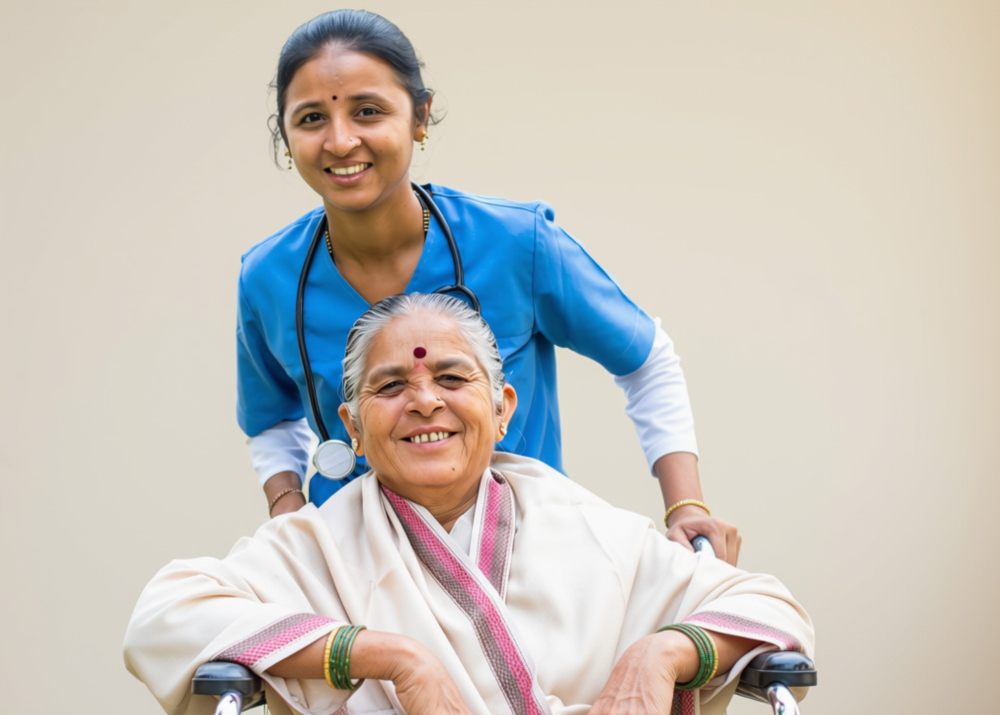
Our goal is to empower our teams to understand what matters to each participant. We encourage staff to ask about meaningful foods and traditions, respect individual beliefs, and understand whom participants want involved in their care, as these are closely connected to a person's identity. This helps CenterLight provide care that feels personal and centered on the whole person.
Beliefs about health, treatment, privacy, pain, and traditional remedies can also influence care decisions. Our role is not to make assumptions, but to give participants the opportunity to tell us what matters most to them.
Earning Trust
Trust is fundamental to effective care and must be earned through consistency, transparency, respect, and genuine compassion. Some participants may have experienced discrimination, language barriers, or a lack of understanding in previous healthcare settings, which can affect how comfortable they feel sharing information, asking questions, or accepting recommendations. Trust grows when we listen without judgment, explain decisions clearly, follow through on our commitments, and honor individual preferences. This philosophy is embedded in the heart of our organizational culture. Together, these actions send a powerful message to those we serve: You are known, you are respected, and your voice matters.
A COMMITMENT ACROSS OUR WORKFORCE
From a Human Resources perspective, cultural competence must be woven throughout the employee experience, from recruitment and onboarding to education, coaching, leadership development, and accountability. Training is important, but the work extends beyond education. Employees need opportunities to learn from participants, families, colleagues, and the communities we serve. They also need to feel cared for and supported as whole people. Leaders must model humility, welcome different perspectives, and create an environment where employees can ask thoughtful questions and bring their full selves to the work.
No one can know everything about every culture, nor should we assume that people from similar backgrounds share the same preferences. Cultural competence begins with curiosity. Our goal is to get to know participants and ask questions that help us see the whole person, not simply a diagnosis or care need.
When team members feel seen, valued, and equipped to do their best work, they can extend that same compassion to participants and families. A culturally competent organization supports the people it serves and the people who make that care possible every day.
At the heart of whole person care
Cultural competence is an expression of respect. It recognizes that meaningful care cannot look exactly the same for everyone because every person’s history, goals, relationships, beliefs, and preferences are uniquely their own. When this understanding becomes part of our culture, it strengthens communication, builds trust, supports employees, and helps us provide responsive, individualized care.
Click here to learn about careers at CenterLight.
About the Author
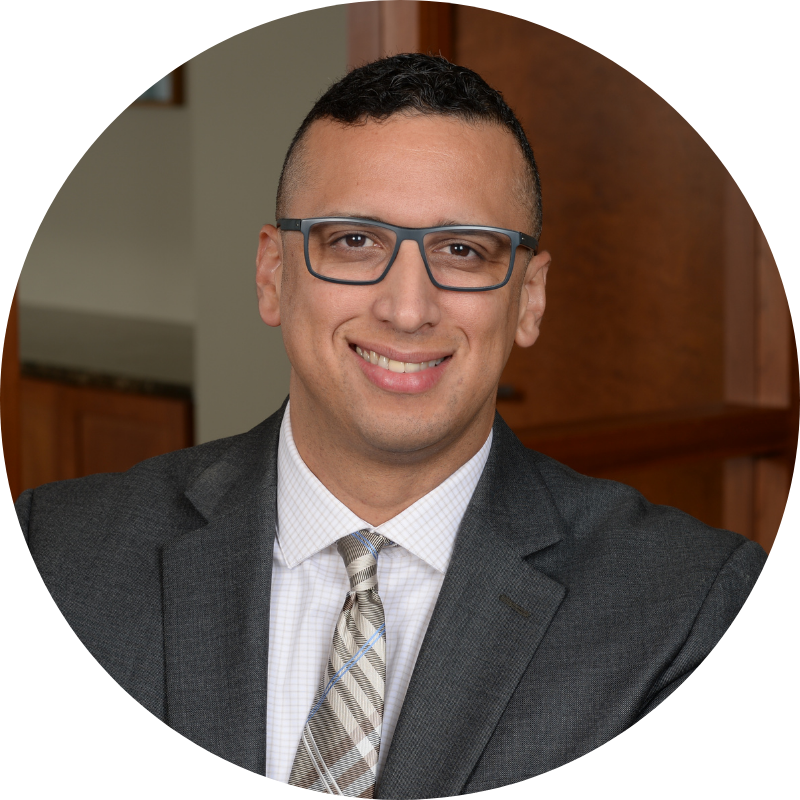
This blog post is written by David Silva, Chief Administrative Officer at CenterLight Health System. David has been working at CenterLight for more than 10 years and oversees Human Resources, Marketing, Information Technology, and The Learning Center.
In his own words:
"At CenterLight, I believe our strength is our teamwork. We work together to provide high quality care, and each of us is committed to meeting our participants’ needs with respect, dedication, and compassion."
CulturalCompetence_NoPOInfo
Updated September 10, 2026