

The Importance of Government Relations and The Impact on PACE Participants in Underserved Communities
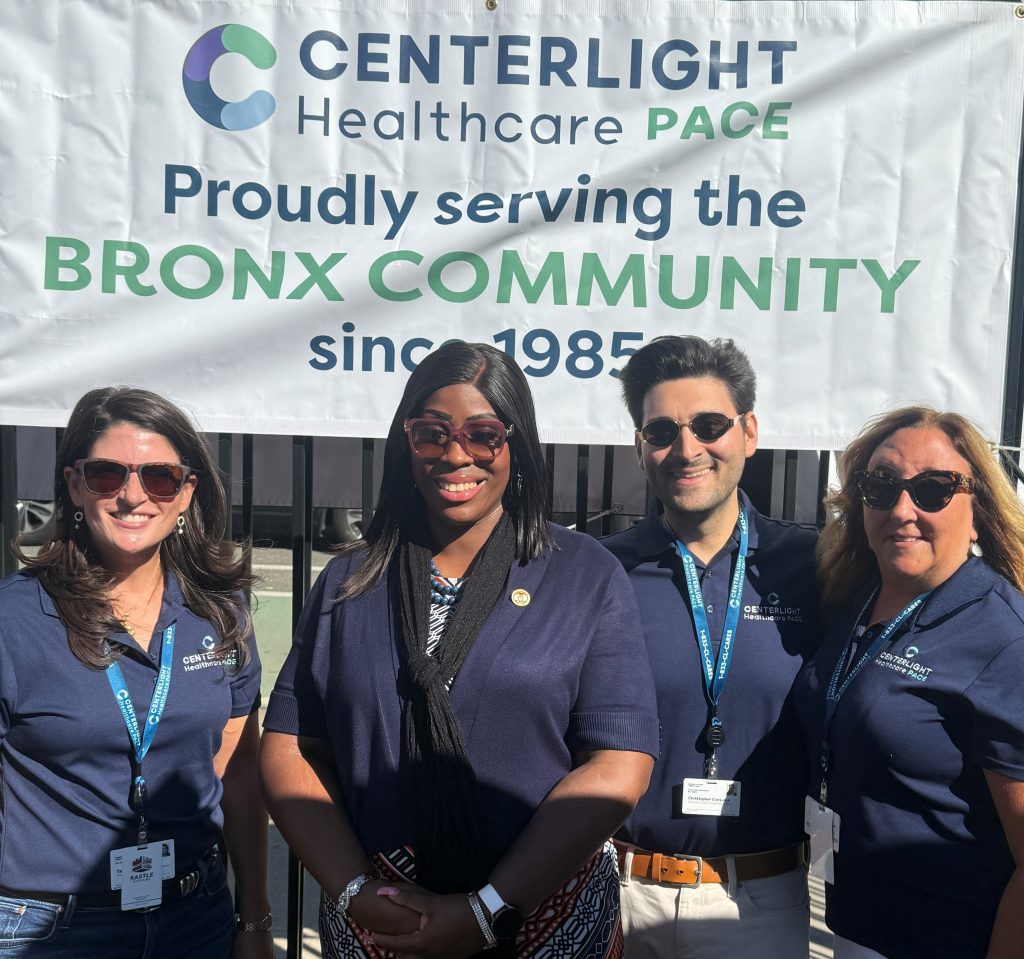
Meet Christopher Consalvo, CenterLight’s Assistant Vice President of Government Affairs and Development. Behind the scenes, he works to advance initiatives that support PACE growth across Metro New York, serving as a trusted liaison to federal, state and local agencies.
Chris shared that it was “Schoolhouse Rock” that sparked his interest in politics as a child. Growing up in the wake of 9/11 also deepened his fascination with how government responds during times of crisis.
Chris later became active in student government during high school and college and volunteered on political campaigns. Before transitioning into healthcare government relations, he worked for the NYC Community Board and served as a staff member for a New York State Senator.
In His Own Words
How does government relations support and strengthen the PACE model?
"The PACE model is jointly funded by federal and state government, and it operates within a complex web of rules and regulations at both levels. Legislators in Washington, D.C. and Albany — as well as regulators at the Centers for Medicare & Medicaid Services (CMS) and the New York State Department of Health — directly impact our daily operations.
By building and maintaining strong relationships with government partners, we help ensure the program’s long-term success through trust, accountability, and understanding. Compared to other parts of the long-term care system, PACE is still relatively small and doesn’t always receive the attention it deserves. A key part of my role is ensuring policymakers not only understand PACE but are positioned to become champions for it.
Effective government relations rely on storytelling. When I meet with elected officials and their staff, I share stories about our participants and the staff who go above and beyond for them. These are their constituents — and when our stories become their stories, the importance of PACE comes sharply into focus."
Why is government relations important for the communities that PACE serves?
"Ageism is real, and too often the voices of older adults are overlooked. Even though many legislators are older adults themselves, ensuring aging communities are fully heard can still be a challenge.
When elected officials tour our PACE Centers and see how active and engaged participants are, it challenges preconceived notions about aging. Showcasing older adults through the PACE model strengthens support for the program and connects us with individuals and organizations advocating for older adults. That’s how strong coalitions are built — and coalition-building is essential to expanding PACE into more communities."
What’s one moment that reinforced the importance of your work for PACE participants?
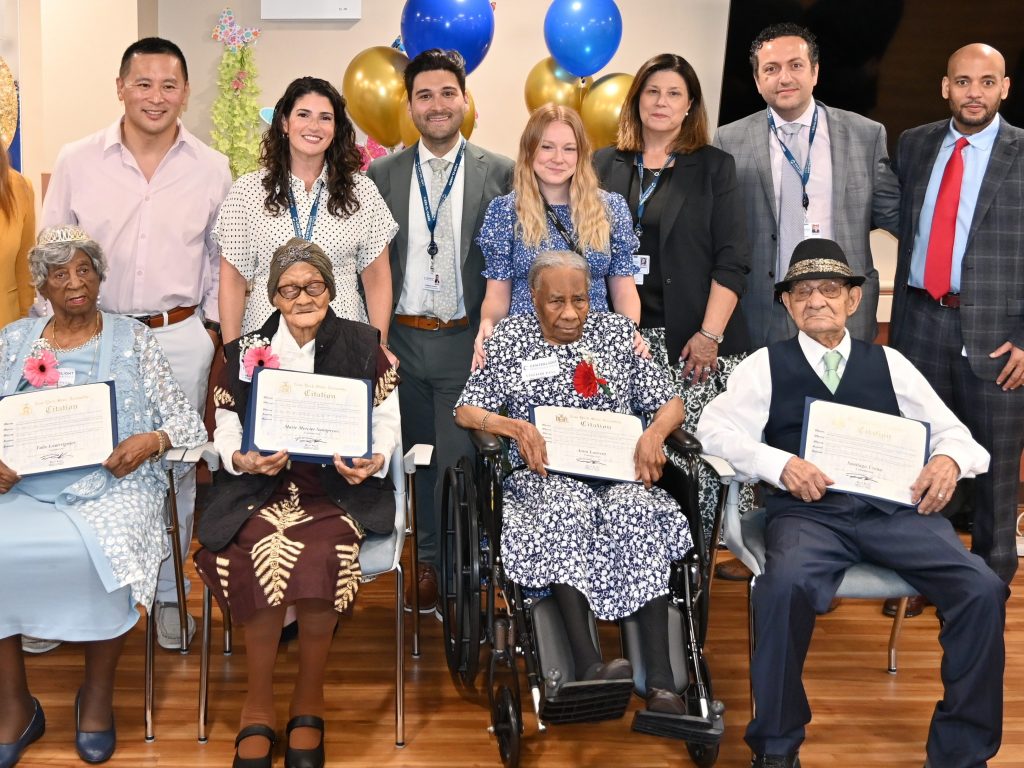
"Our first-ever Centenarian Day truly reinforced the importance of this work. Celebrating participants who reached 100 and beyond was a powerful testament to the PACE model.
Assemblymember Ron Kim attended and presented our centenarians with official citations from the New York State Assembly. He spoke about his connection to older adults, his Korean heritage, and brought his school-aged daughter — a symbolic bridge across generations. The year prior, his office awarded CenterLight critical capital funding to replace the elevators at the Flushing site. That moment captured how proactive engagement with elected officials can lead to meaningful outcomes for our participants."
What motivates you to advocate for older adults?
"If we’re lucky, we enter our senior years healthy and supported. But that doesn’t happen by accident — it requires planning, community and strong government programs like PACE.
I’m grateful to still have both of my grandmothers, who shaped my upbringing (and made me a better cook and baker). I’ve always been an old soul and find older adults to be a tremendous source of wisdom. I love that CenterLight celebrates each participant as an individual, giving them opportunities to share their stories and express themselves authentically."
What does serving the underserved mean to you personally?
"When developing advocacy positions, I keep the well-being and quality of life of our participants front and center. I often think of novelist Alice Walker’s quote: “The most common way people give up their power is by thinking they don’t have any.”
Challenges that feel insurmountable alone can often be addressed when people come together and use their voices collectively. Advocacy is a powerful tool — but most powerful when shared. I’m especially excited about the opportunity to bring several of our participants to Albany next month so they can speak directly with elected officials about their experiences at CenterLight."

Christopher Consalvo is Assistant Vice President of Government Affairs and Development at CenterLight Health System.
H3329 NoPOInfo_Govt_Relations_Testimonial
Last Updated February 9, 2026