The Importance of Government Relations and The Impact on PACE Participants in Underserved Communities

< ver todas las entradas del blog

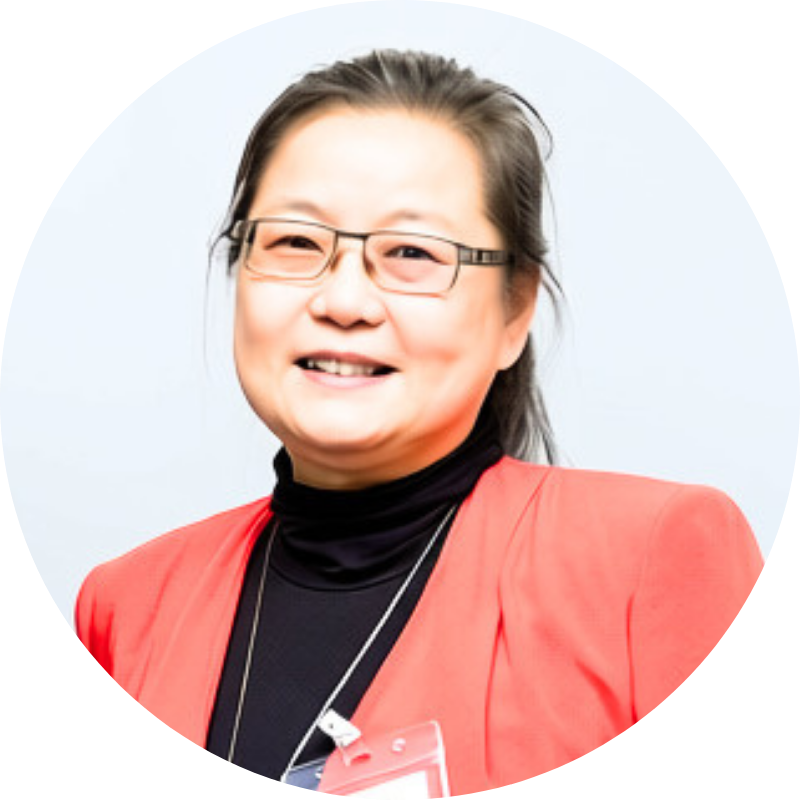
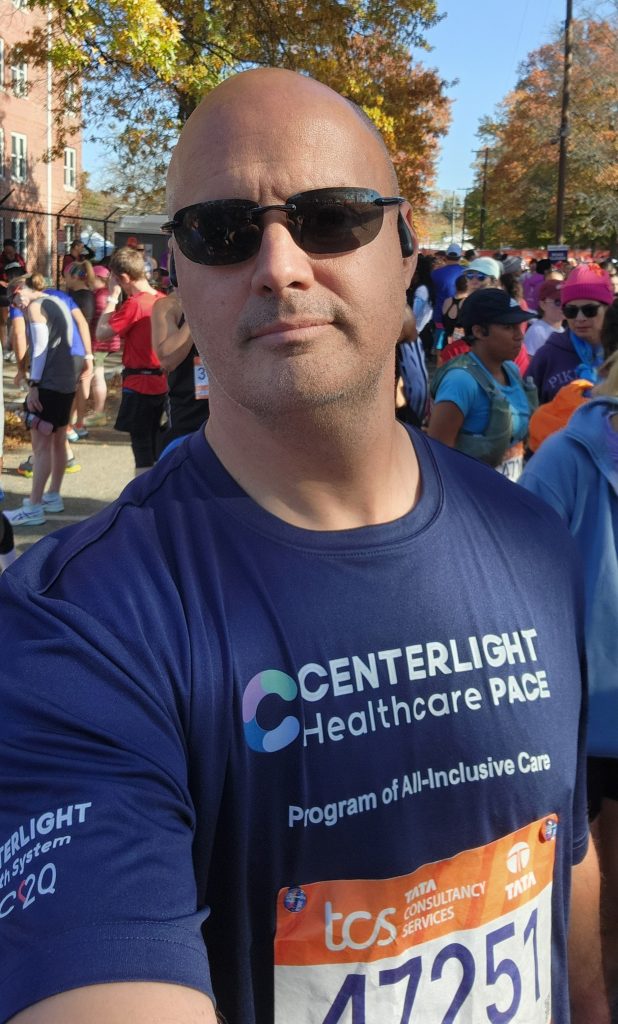
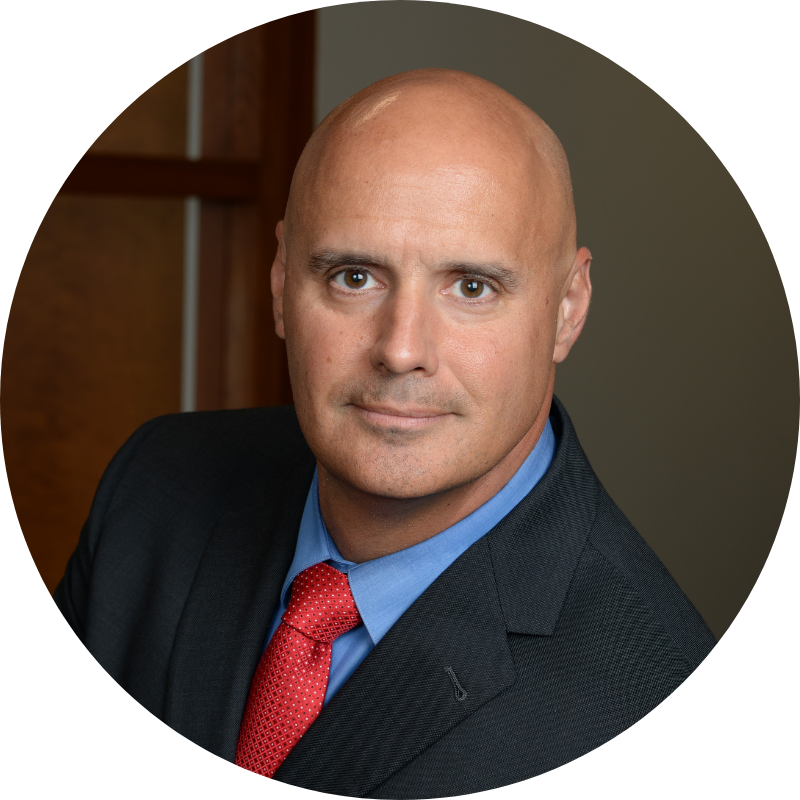
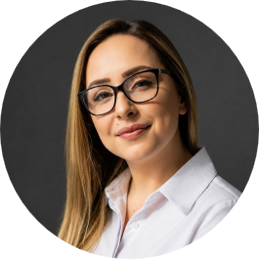
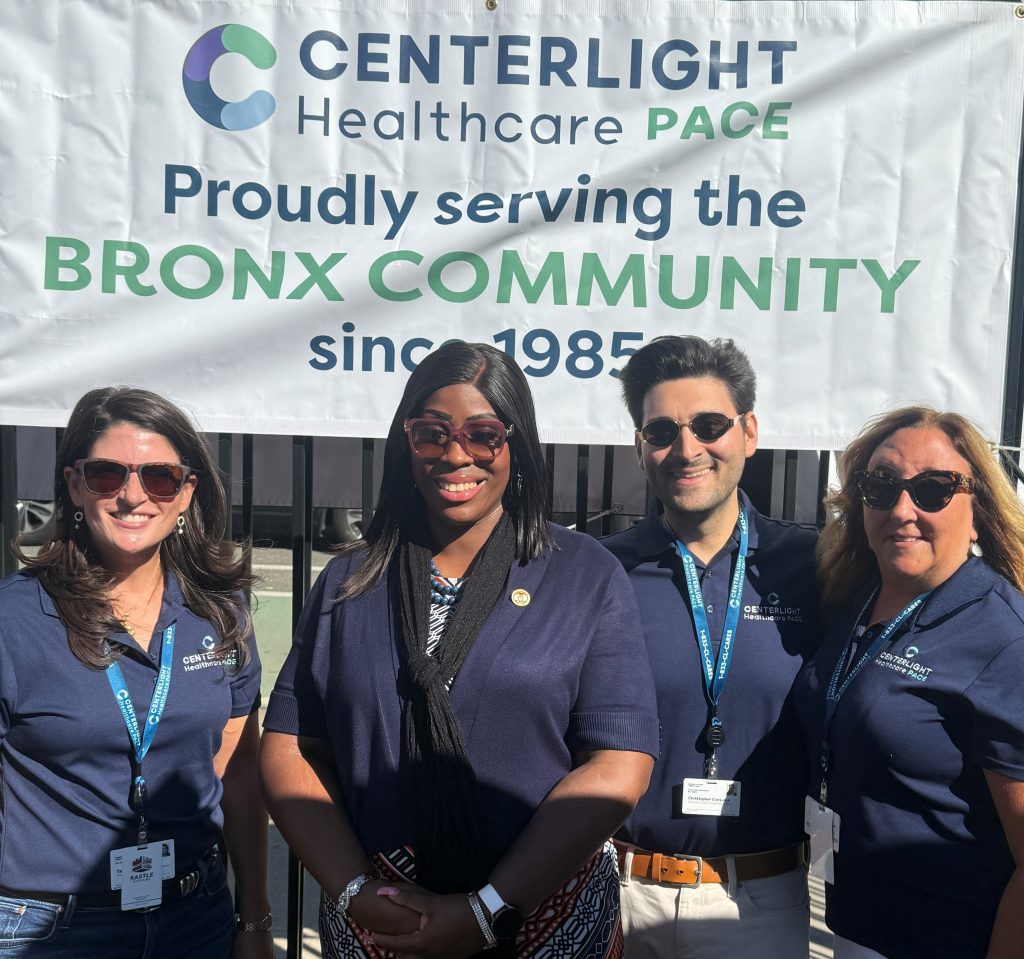
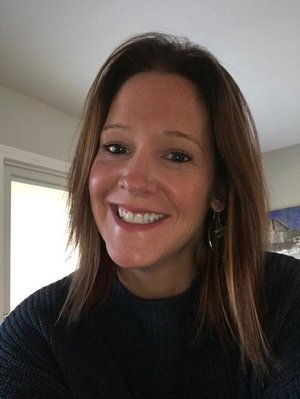
Meet Christopher Consalvo, CenterLight’s Assistant Vice President of Government Affairs and Development. Behind the scenes, he works to advance initiatives that support PACE growth across Metro New York, serving as a trusted liaison to federal, state and local agencies. 

Chris shared that it was “Schoolhouse Rock” that sparked his interest in politics as a child. Growing up in the wake of 9/11 also deepened his fascination with how government responds during times of crisis.

Chris later became active in student government during high school and college and volunteered on political campaigns. Before transitioning into healthcare government relations, he worked for the NYC Community Board and served as a staff member for a New York State Senator.

In His Own Words

How does government relations support and strengthen the PACE model?

"The PACE model is jointly funded by federal and state government, and it operates within a complex web of rules and regulations at both levels. Legislators in Washington, D.C. and Albany — as well as regulators at the Centers for Medicare & Medicaid Services (CMS) and the New York State Department of Health — directly impact our daily operations.

By building and maintaining strong relationships with government partners, we help ensure the program’s long-term success through trust, accountability, and understanding. Compared to other parts of the long-term care system, PACE is still relatively small and doesn’t always receive the attention it deserves. A key part of my role is ensuring policymakers not only understand PACE but are positioned to become champions for it.

Effective government relations rely on storytelling. When I meet with elected officials and their staff, I share stories about our participants and the staff who go above and beyond for them. These are their constituents — and when our stories become their stories, the importance of PACE comes sharply into focus."

Why is government relations important for the communities that PACE serves?

"Ageism is real, and too often the voices of older adults are overlooked. Even though many legislators are older adults themselves, ensuring aging communities are fully heard can still be a challenge.

When elected officials tour our PACE Centers and see how active and engaged participants are, it challenges preconceived notions about aging. Showcasing older adults through the PACE model strengthens support for the program and connects us with individuals and organizations advocating for older adults. That’s how strong coalitions are built — and coalition-building is essential to expanding PACE into more communities."

What’s one moment that reinforced the importance of your work for PACE participants?

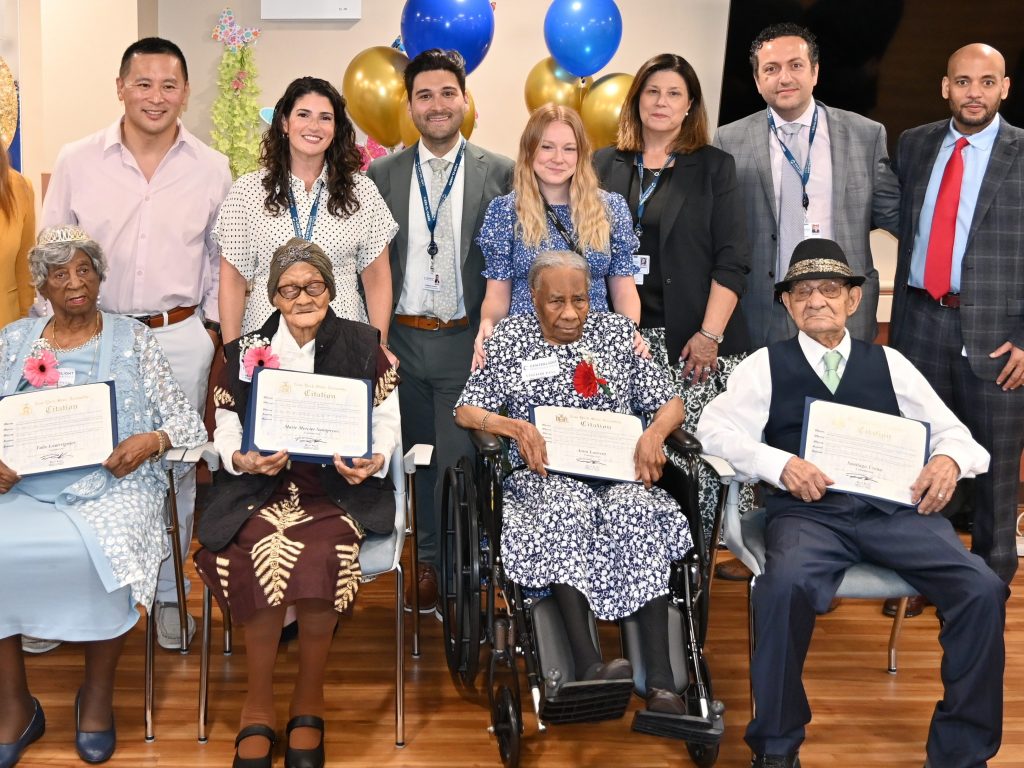
"Our first-ever Centenarian Day truly reinforced the importance of this work. Celebrating participants who reached 100 and beyond was a powerful testament to the PACE model.

Assemblymember Ron Kim attended and presented our centenarians with official citations from the New York State Assembly. He spoke about his connection to older adults, his Korean heritage, and brought his school-aged daughter — a symbolic bridge across generations. The year prior, his office awarded CenterLight critical capital funding to replace the elevators at the Flushing site. That moment captured how proactive engagement with elected officials can lead to meaningful outcomes for our participants."

What motivates you to advocate for older adults?

"If we’re lucky, we enter our senior years healthy and supported. But that doesn’t happen by accident — it requires planning, community and strong government programs like PACE.

I’m grateful to still have both of my grandmothers, who shaped my upbringing (and made me a better cook and baker). I’ve always been an old soul and find older adults to be a tremendous source of wisdom. I love that CenterLight celebrates each participant as an individual, giving them opportunities to share their stories and express themselves authentically."

What does serving the underserved mean to you personally?

"When developing advocacy positions, I keep the well-being and quality of life of our participants front and center. I often think of novelist Alice Walker’s quote: “The most common way people give up their power is by thinking they don’t have any.”

Challenges that feel insurmountable alone can often be addressed when people come together and use their voices collectively. Advocacy is a powerful tool — but most powerful when shared. I’m especially excited about the opportunity to bring several of our participants to Albany next month so they can speak directly with elected officials about their experiences at CenterLight."


Christopher Consalvo is Assistant Vice President of Government Affairs and Development at CenterLight Health System.

H3329 NoPOInfo_Govt_Relations_Testimonial
Last Updated February 9, 2026

Our Very Own Painting Guru

< ver todas las entradas del blog

Celebrating 25 Years of Making a Difference Through Therapeutic Recreation

Michelle Van Etten, Therapeutic Recreation Specialist (TRS) at CenterLight Healthcare Program of All-Inclusive Care for the Elderly (PACE), is celebrating 25 years at the organization in 2025. We spoke to Michelle about her commitment to CenterLight participants and to making a difference in their lives.

What inspired you to choose a career in healthcare, specifically in therapeutic recreation?

Growing up, I was always interested in recreation, crafts, and being creative. As a teenager, I worked as a camp counselor and later with an organization which supported people with disabilities. I loved taking them on trips and engaging them in activities. I originally planned on going to college for occupational therapy before I discovered Therapeutic Recreation.

How did you first start your journey at CenterLight?

After working in assisted living and nursing homes, I realized I wanted something different. In those settings, I often felt unfulfilled leaving at the end of the day because the patients stayed behind.

Then I came across CenterLight in 2000, I had only been out of school about a year. I immediately loved the concept and mission: keeping participants in their homes while still offering a place where they could socialize, eat meals, and take part in activities. It reminded me of a school for older adults, with a day full of programs and then the comfort of returning home afterward.

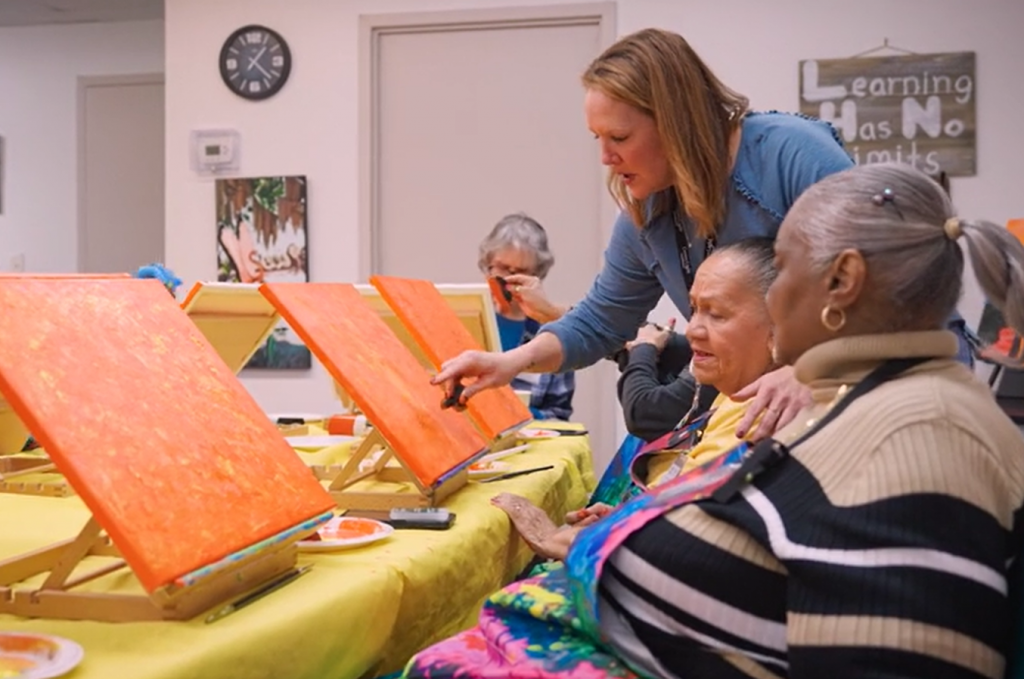
That’s also when I started the painting group. A few participants were looking for something new, and since I’ve always loved art, I introduced it. They quickly embraced it, and it’s grown into a central part of my work ever since.

Can you walk us through a typical day in your life as a TRS?

I like to greet every participant individually. It’s important to me to connect personally. After breakfast, we begin morning activities. Sometimes that’s the painting group in our dedicated art room, which makes participants feel special, like true artists with their own studio.

Afternoons might include entertainment, adaptive sports, trivia, bingo, or word games. We make sure there’s variety so everyone has something they enjoy. Beyond activities, we’re also part of the care team. Participants often come to us with concerns, and since we spend so much time with them, we help triage and connect them with the right support.

What do you consider the most rewarding aspect of your job as a TRS?

Seeing participants build confidence. So many came in saying, “I can’t paint,” and then they surprise themselves. I’d start simple like holding a brush, dabbing paint, drawing a heart and watch their skills grow. The joy and pride they feel in their work is the most rewarding part.

Some participants even shared that when they were younger, opportunities like this weren’t available to them, especially for women. So being able to give them this chance now means a lot.

Share a memorable story involving a participant that has stuck with you throughout your career.

During COVID, I started virtual painting sessions. I FaceTimed with participants and we had supplies sent to their homes. Even though we were apart, we could still paint together. That experience reminded me how important creativity and connection are, and it’s one of my favorite memories.

After 25 years of working at CenterLight, what continues to connect you with the organization's mission?

The appreciation, kindness, and thoughtfulness of the participants when I see them. They make me happy--they've become like part of my family.

I also have had so much support from my managers and my department. Anytime I've had an idea or wanted to try something new for the participants, they work with me to make it happen.

What is your personal mission as a TRS?

I want to help each participant reach their full capability with their creativity and art skills. I want to bring everybody up, from being a beginner to where they could say, "I'm really an artist!" It is my goal to do this for as many participants as possible.

H3329 Blog_NoPOInfo_Michelle
Last updated October 15, 2025

Being a Physical Therapist is more than just a job—it’s a calling.

< ver todas las entradas del blog

Tatyana Brisman, PT, is celebrating her 20th year of working at CenterLight Healthcare Program of All-Inclusive Care for the Elderly (PACE) in 2025. We spoke with Tatyana to learn more about her journey as a physical therapy and rehabilitation professional.

How did you get started at CenterLight?

I began my journey with CenterLight Healthcare PACE in July 2005 as a Senior Physical Therapist. Just one year into my role, I was honored to be promoted to Rehabilitation Manager—a position that allowed me to grow both professionally and personally.

How do you view your role at CenterLight?

Over the years, my responsibilities have evolved, but my mission has remained the same: to ensure our participants are safe in their communities by providing high quality care and being a supportive, collaborative member of the care team.

What is the best thing about being in the healthcare/ rehabilitation field?

Working in healthcare and rehabilitation is incredibly rewarding. The greatest joy comes from helping participants reach their maximum level of function and seeing their quality of life improve. Whether it’s helping someone walk again after orthopedic surgery, supporting stroke recovery, or reducing pain and restoring mobility—every success story is a powerful reminder of why I chose this career.

Some of the most meaningful moments come from simple yet impactful interventions, like conducting a Home Safety Evaluation that helps someone remain safely in their home. Seeing a participant regain independence, walk more confidently, or even cry tears of joy after recovery—those are the moments that make this work truly worthwhile.

What advice would you give to someone who wants to have a long career?

My advice to anyone in this field: always put participants first. Be compassionate, be a team player, and strive to create a family-like environment. Embrace change, be willing to learn, and grow with the fast-paced nature of healthcare.

Being a Physical Therapist is more than just a job—it’s a calling. And I’m grateful every day to be part of a field that makes such a difference in people's lives.


Tatyana Brisman, Physical Therapist and Regional Rehabilitation Manager at CenterLight Healthcare PACE.

H3329 Tatyana NoPOInfo
Updated 05162025

Social Work at CenterLight Healthcare PACE

< ver todas las entradas del blog

Social Workers are important members of the CenterLight Healthcare Program of All-Inclusive Care for the Elderly (PACE) Interdisciplinary Team (IDT). Every day, our social work professionals collaborate with the rest of the care team to help our participants continue to live safely and independently in their own homes and communities. In this blog post, Kim Sodano, LCSW, LNHA, Director of Social Work at CenterLight Healthcare PACE, discusses the role of social workers in the IDT.

What is the role of a social worker?

Social workers provide counseling, emotional support, referrals, entitlement assistance, and more. CenterLight PACE participants know that social workers are part of their care team, and that they can come to us if they have a question, need assistance, or if they received a bill that they don't understand. We're here to guide them and be there for them as they keep up with the pace of aging.

How does the social worker collaborate with the rest of the care team?

As part of the IDT, social workers are involved in the discussion of effective treatment and any other issues that may affect our participants' care. We make sure that all aspects of the their situation is taken into consideration in their plan of care and addressed accordingly.

Each participant is assigned a social worker.

CenterLight Healthcare PACE participants are assigned a social worker who gets to know them--not only their medical diagnoses, but also their social, behavioral, emotional, and basic needs. Since we are based at the PACE centers, we are always available if they need assistance. Our participants can also call us, and we meet with them at the PACE centers or in their own homes.

Why did you become a social worker?

I became a social worker to make a positive impact toward social change. Being an advocate for individuals and communities while witnessing resilience and transformation is extremely rewarding.


Kim Sodano, LCSW, LNHA, is the Director of Social Work at CenterLight Healthcare PACE.


H3329_SocialWork2025Blog Approved 02202025
Last updated January 15, 2025

Compartir el don de la fotografía

< ver todas las entradas del blog

¿Qué es lo primero que ve cuando entra en un edificio? ¿Qué le hace sentirse como en casa? ¿Qué hace que un lugar sea cálido y acogedor, aparte de las personas que lo habitan?

Al entrar en uno de los once centros del Programa de atención integral a las personas mayores (PACE) de CenterLight Healthcare, le recibirá una hermosa y colorida fotografía en el vestíbulo, cortesía de Angie Lavigat, Vicepresidenta Adjunta de Contratación de Redes y Proveedores.

Hablamos con Angie sobre cómo es compartir el don de la fotografía con los participantes y el personal de CenterLight PACE. Estos son algunos de los aspectos más destacados de nuestra conversación.

¿Cuánto tiempo lleva haciendo fotos?

Siempre he hecho fotos, incluso cuando era joven. Empecé a hacer fotos profesionalmente hace unos 10 años. Es un privilegio participar en acontecimientos especiales de la vida de las personas. Y ahora que mis fotografías son sobre todo de naturaleza, me encanta captar la belleza que nos rodea.


¿Qué es lo que más le gusta de la fotografía?

La fotografía es una forma de congelar el tiempo. Me encanta recordar momentos capturados en un solo fotograma, esos recuerdos y sentimientos especiales que evocan las imágenes.

¿Cómo acabaron sus fotos en los vestíbulos del Centro CenterLight PACE?

Estaba trabajando con unos colegas en un proyecto especial de embellecimiento. Los centros están llenos de vida y calor por la gente que hay en ellos. Nuestros participantes y el personal hacen de los centros un lugar hermoso en el que estar simplemente con lo que son como personas. Pero al mirar alrededor, al espacio le faltaba algo. Fue entonces cuando surgió la idea de colocar fotos que nuestros participantes, personal y visitantes disfrutaran y les encantara mirar.

Me siento honrado de que las fotos que tomé hayan sido elegidas para exponerse en estos lugares. CenterLight es muy especial para mí, ya que llevo 30 años trabajando aquí. Empecé a hacer más fotos de jardines y flores especialmente para este proyecto en mi tiempo libre, incluidas las que hice en un viaje al Jardín Botánico del Desierto en Arizona y algunas del Arboreto del Condado de Orange. Fue un trabajo de amor. Quería asegurarme de que las fotos fueran perfectas, porque nuestros participantes y nuestro personal no se merecen menos.

¿Qué es lo mejor de exponer sus fotos en los centros CenterLight PACE?

En CenterLight PACE, nuestra misión es ayudar a enriquecer las vidas de aquellos a quienes servimos. Estoy agradecida de poder ser aunque sea una pequeña parte de cumplirla cada día, y de que cuando nuestros participantes vengan a nuestros centros PACE, vean las fotos que he tomado. Es la mejor sensación cuando oigo que las exposiciones han hecho sonreír a la gente. Incluso he oído que alguien lloró al ver las fotos. Me emociona y me hace sentir muy humilde saber que soy capaz de compartir la belleza a través de mi fotografía, y que ha marcado la diferencia en el día de alguien.

Estoy muy arraigada a CenterLight. Es como un segundo hogar para mí, al igual que lo es para nuestros participantes que asisten a los centros y para mis compañeros de trabajo. No podría pensar en un lugar mejor para mi fotografía que un lugar que tiene un significado tan profundo para tantas personas.

¿Qué le gustaría que la gente se llevara de sus fotos?

Cuando los participantes, el personal y los visitantes miran mis fotos, quiero que contemplen la belleza de la naturaleza y recuerden que , pase lo que pase, la vida es bella.

Disfrute de algunas de las fotos de Angie:
(Haga clic en las fotos para verlas en alta resolución).

El arte es una parte importante de la vida en los centros PACE de CenterLight Healthcare. Esté atento a los anuncios sobre nuestra Exposición de Arte de Participantes, ¡próximamente!

H3329 Blog_NoPOInfo_Angie
Última actualización: 17 de marzo de 2025

CenterLight Healthcare tiene un contrato PACE aprobado por los Centros de Servicios de Medicare y Medicaid (CMS) y el Departamento de Salud del Estado de Nueva York (NYSDOH). La inscripción en CenterLight Healthcare PACE depende de la renovación de su contrato con CMS y NYSDOH. Los participantes pueden ser total y personalmente responsables del coste de los servicios no autorizados o acordados fuera del programa PACE. Tras la inscripción, el programa PACE será el único proveedor de servicios del participante. Los participantes tendrán acceso a todos los servicios necesarios identificados por el Equipo Interdisciplinario, pero no a un proveedor específico de estos servicios. Por favor contáctenos para más información.

H3329 CLPACEPágina web aprobada 10222024

Last Updated on February 19, 2026
El propietario de este sitio web se ha comprometido con la accesibilidad y la inclusión, por favor informe de cualquier problema que encuentre utilizando el formulario de contacto de este sitio web. Este sitio utiliza el plugin WP ADA Compliance Check para mejorar la accesibilidad.