Happiness is Contagious

< view all blog posts

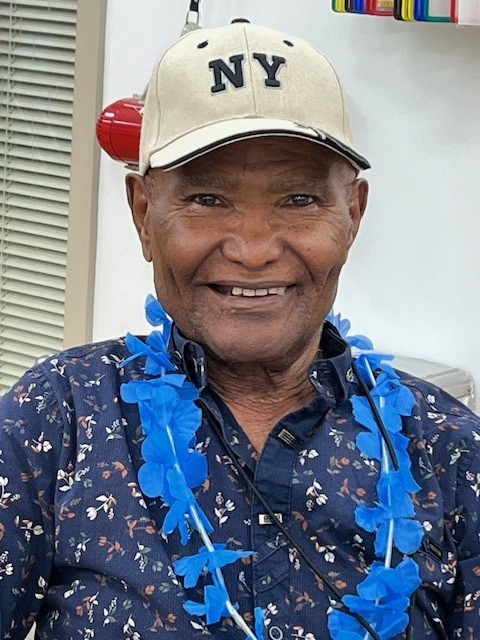
CenterLight PACE participant Feroz enrolled in 2023. In this video, he shares that he waits the whole week to come to CenterLight's South Asian Cultural Alternative Care Setting.

Feroz enrolled at CenterLight Healthcare PACE in 2023 and is a participant at the time of posting.

Approved video: H3329 CL_FerozAhmedTestimonial Approved 05272025

Every Day is a Chance for Adventure

< view all blog posts

It was a beautiful morning, and CenterLight Healthcare Program of All-Inclusive Care for the Elderly (PACE) Seneca Day Health Center participants were excited for their trip to the aquarium.  It was an opportunity to observe stunning marine creatures in the museum’s breathtaking exhibits.

Meanwhile, participants from our Flushing PACE site are still talking about their day at the Botanical Garden—where they enjoyed perfect weather, fresh air, and colorful scenery. Seneca participants, on the other hand, are looking forward to the next time they reconnect with their inner child and bond with their Flushing peers at Dave and Buster’s; and our Bronx participants are excited for the next time they go on a trip to City Island.

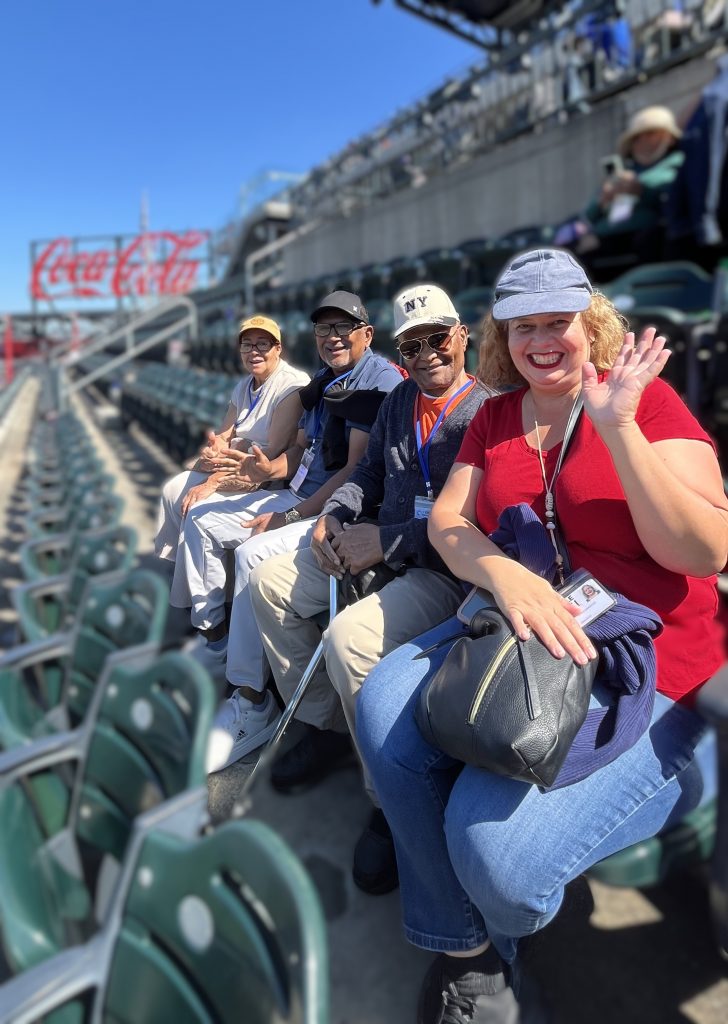
These are just examples of trips CenterLight Healthcare PACE participants enjoy. In addition to more than 100 activities on site each month, we also take them on field trips throughout the year. Whether at the PACE center learning new things, or at fun and educational locations chosen based on their interests, every day is a chance for adventure!

Why are field trips part of CenterLight PACE’s Therapeutic Recreation programming?

Field trips provide a variety of benefits for older adults, including:

  • Opportunities for socialization. When older adults interact and share new experiences with their peers, their risk for social isolation is reduced. Field trips provide opportunities to interact with others, helping improve their wellbeing. In addition, having something to look forward to, like going to a museum with friends, helps promote mental and emotional wellness.
  • New experiences and participating in activities one enjoys can stimulate cognitive function. Whether going to a place they have never been before, learning new things, or discussing new ideas, field trips are a fun way to keep one’s mind sharp.
  • Most field trips can encourage physical activity. For example, walking around a museum of their choice or playing a game provide opportunities for exercise and help with mobility. Taking a stroll at the Botanical Garden, for example, not only encourages movement—it is also a chance to enjoy fresh air.

Diverse Interests, New Possibilities

The CenterLight PACE Therapeutic Recreation (TR) team understands that each participant is unique. TR specialists design activities that consider the diverse cultural backgrounds and varied preferences of those we serve. Field trips aim to bring participants together, offer a chance for adventure, provide shared experiences that they will enjoy, and even introduce them to something new, opening them up to interests they didn’t have before.

Visit our Facebook page to view photos from trips and other events/programs for our participants.


本博文作者為Kathleen KeeganCenterLight Healthcare PACE 的治療性康樂服務主任。

H3329 FieldTripBlog Approved 05272025
Updated 04162025

Ana Rosa: You feel like you’re a queen

< view all blog posts

Ana Rosa enrolled at CenterLight Healthcare Program of All-Inclusive Care for the Elderly (PACE) in 2012 after she was discharged from rehabilitation. View the video below to hear her experience at CenterLight PACE in her own words.

Ana Rosa enrolled at CenterLight Healthcare PACE in 2012 and is a participant at the time of posting.

Approved video: H3329 AnaRosaGarciaTestimonial Approved 05272025

Alzheimer’s Disease and Fall Risk: What You Need to Know

< view all blog posts

According to the National Library of Medicine, people with Alzheimer’s Disease are twice as likely to fall than those without it.1 Falls can reduce independence, impact quality of life, and in some cases, cause serious injuries. It is important to learn about risks and what we can do to help minimize them.

Why are Falls More Common in Individuals with Alzheimer’s?

  • Cognitive Decline: People with Alzheimer's Disease suffer from memory loss and poor judgement, which make it harder to avoid hazards.
  • Balance and Muscle Weakness: Changes in gait and balance are a common symptom of Alzheimer’s, particularly as the disease progresses. These deficits can contribute to difficulty walking and balancing, which can ultimately lead to falls.2 In addition, Alzheimer's Disease affects coordination and physical strength.
  • Vision Issues: Trouble judging depth and distance leads to missteps.
  • Medication Side Effects: Some drugs prescribed for Alzheimer's Disease may cause dizziness or drowsiness.
  • Early Risk: Falls can occur even before symptoms of Alzheimer’s are obvious or before Alzheimer's Disease is diagnosed.

What are the Consequences?

  • Injuries: Fractures, head trauma, and loss of mobility.
  • Fear of Falling: Leads to inactivity, isolation, and further decline.
  • Stress for Caregivers: Increased responsibilities and emotional strain.
  • Long-Term Impact: Hospital stays or permanent care placement.

How to Help Prevent Falls

Recognizing the connection between cognitive decline and physical vulnerability is the first step in preventing injuries and maintaining independence.

Remember to see your medical provider regularly. They can help recognize early signs and help determine if an individual has Alzheimer's Disease and increased risk of falls.

If an individual is diagnosed with Alzheimer's Disease, caregivers, medical professionals, and family members can work together to:

  • Improve home safety
  • Monitor medication side effects
  • Encourage safe mobility practices
  • Engage in physical therapy and balance exercises

By staying informed and proactive, we can help reduce the risk of falls and improve the overall quality of life for individuals with Alzheimer’s Disease.

CenterLight Healthcare PACE 致力於提供準確的健康相關資訊,以協助個人好好生活、保持健康,並做出明智的健康照護決策。本資料中的資訊嚴格來說是教育性的。我們建議使用者向其醫療提供者諮詢有關其護理的事宜。


This blog post is written by Tatyana Brisman, PT, Regional Rehabilitation Manager at CenterLight Healthcare PACE.


資料來源:

1 Falls and Alzheimer's Disease, National Library of Medicine

2 The Correlation Between Alzheimer's and Frequent Falls, Altoida

H3329 Blog_NoPOInfo_AlzheimersAndFalls
Updated May 7, 2025

Being a Physical Therapist is more than just a job—it’s a calling.

< view all blog posts

Tatyana Brisman, PT, is celebrating her 20th year of working at CenterLight Healthcare Program of All-Inclusive Care for the Elderly (PACE) in 2025. We spoke with Tatyana to learn more about her journey as a physical therapy and rehabilitation professional.

How did you get started at CenterLight?

I began my journey with CenterLight Healthcare PACE in July 2005 as a Senior Physical Therapist. Just one year into my role, I was honored to be promoted to Rehabilitation Manager—a position that allowed me to grow both professionally and personally.

How do you view your role at CenterLight?

Over the years, my responsibilities have evolved, but my mission has remained the same: to ensure our participants are safe in their communities by providing high quality care and being a supportive, collaborative member of the care team.

What is the best thing about being in the healthcare/ rehabilitation field?

Working in healthcare and rehabilitation is incredibly rewarding. The greatest joy comes from helping participants reach their maximum level of function and seeing their quality of life improve. Whether it’s helping someone walk again after orthopedic surgery, supporting stroke recovery, or reducing pain and restoring mobility—every success story is a powerful reminder of why I chose this career.

Some of the most meaningful moments come from simple yet impactful interventions, like conducting a Home Safety Evaluation that helps someone remain safely in their home. Seeing a participant regain independence, walk more confidently, or even cry tears of joy after recovery—those are the moments that make this work truly worthwhile.

What advice would you give to someone who wants to have a long career?

My advice to anyone in this field: always put participants first. Be compassionate, be a team player, and strive to create a family-like environment. Embrace change, be willing to learn, and grow with the fast-paced nature of healthcare.

Being a Physical Therapist is more than just a job—it’s a calling. And I’m grateful every day to be part of a field that makes such a difference in people's lives.


Tatyana Brisman, Physical Therapist and Regional Rehabilitation Manager at CenterLight Healthcare PACE.

H3329 Tatyana NoPOInfo
Updated 05162025

What You Need to Know About Living with Arthritis

< view all blog posts

Do you have Arthritis?

Arthritis is a general term for conditions that affect the joints, tissues around joints, and other connective tissues. This is an inflammation that usually comes with the feeling of pain, stiffness and swelling.

There are many types of arthritis. Osteoarthritis, for example, is the most common form among older adults, according to the National Institute on Aging.

Do you have Arthritis?

Symptoms vary by arthritis type but usually include joint pain and stiffness. Pain is the way your body tells you that something is wrong. You might have trouble moving around. You need to see your medical provider to find out if you're experiencing arthritis pain or something else.

What can you do to manage Arthritis?

See your medical provider regularly.

Although there are many Over-The-Counter (OTC) medications that people use to relieve pain they think is caused by Arthritis, it is important to consult a medical professional to ensure proper diagnosis. Only a medical provider can tell if you have Arthritis or a related condition and how to treat it.

Manage your weight.

According to the Centers for Disease Control and Prevention (CDC), keeping a healthy weight can help slow arthritis symptoms from getting worse so you can keep doing the activities you enjoy. Your dietitian can help develop a meal plan that's right for you.

Be physically active.

Exercising, going for a walk, and moving all of your joints can help you manage your arthritis. The CDC states that according to research, physical activity reduces pain, improves physical function, and delays physical limitations. Speak with your physical or occupational therapist to discuss an exercise plan that will work for you.

Take your medicines when and how you are supposed to.

Your medical provider will let you know if medications can help you. Before you leave the doctor’s office, make sure you ask about the best way to take the medicine they prescribed. For example, you may need to take some medicines with milk, or you may need to eat something just before or after taking them, to make sure they don’t upset your stomach.

Tell your medical provider if you are taking OTC medications, using pain relieving creams, or any herbal or homeopathic treatments. They will review them to make sure that there are no interactions with your other medications.

CenterLight Healthcare PACE 致力於提供準確的健康相關資訊,以協助個人好好生活、保持健康,並做出明智的健康照護決策。本資料中的資訊嚴格來說是教育性的。我們建議使用者向其醫療提供者諮詢有關其護理的事宜。


This blog post is written by Heather Ogando, MD, Vice President of Clinical Operations at CenterLight Healthcare PACE.


資料來源:

H3329 Blog_NoPOInfo_Arthritis
Updated April 29, 2025

In Her Own Words: Lillian’s Art Journey

< view all blog posts

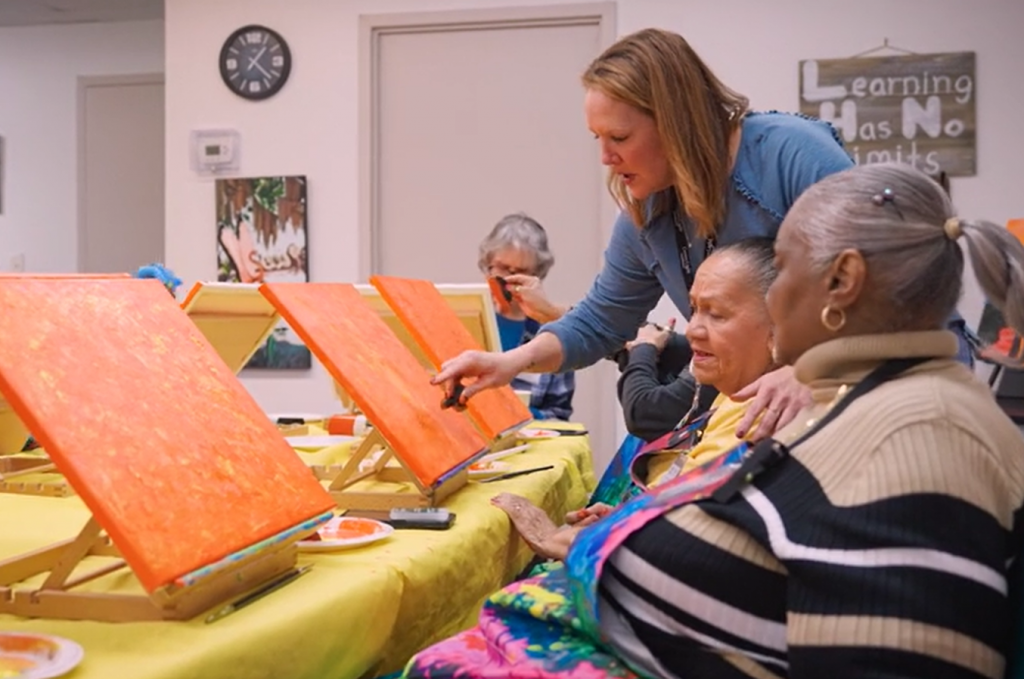
I was born in the vibrant heart of Puerto Rico and moved to the Bronx in the 1950's. My artistic journey began at a senior center, where I first picked up a brush and let my imagination run wild across the canvas.

I was drawn to calm landscapes, the delicate beauty of flowers, and the endless wonder of nature. There's something magical about bringing a quiet forest or a blooming garden to life with just paint and heart.

Everything changed when I joined CenterLight. Under the guidance of Michelle, our Therapeutic Recreation Specialist, I began to grow as an artist.

When we're in the art room, we laugh, we listen to music, and help each other. They make you feel at home. Without CenterLight, I'd just be sitting at home watching TV by myself.

CenterLight PACE participant Lillian speaking at the recent "Art Around the World" Exhibit.

Art has become more than a hobby — it's a journey, a joy, and a window into how I see the world. I'm just getting started, but I'm excited to keep learning and finding beauty in every brushstroke.

Lillian is a current* CenterLight PACE participant and has been enrolled since 2007.

H3329 LillianArtQuote_NoPOInfo
*Last Updated May 12, 2025

Photo credit: Edgar Ruiz, Latin Lenz Entertainment

How Occupational Therapy Helps Older Adults Keep Up with the PACE of Aging

< view all blog posts

As people age, it can become harder to move around. Older adults often face challenges with weakness, balance issues, arthritis or recovery from an injury or illness.

Occupational therapy (OT) can help! At CenterLight Healthcare’s Program of All-Inclusive Care for the Elderly (PACE), occupational therapists help older adults stay active, safe, and self-sufficient so they can go about their daily lives with confidence.

What is Occupational Therapy?

OT helps people with everyday activities like getting dressed, eating and moving around. Simply put, occupational therapists help people learn new ways of doing things to make their life easier and help them stay independent.

Occupational therapy can help participants:

  • Improve balance
  • Prevent falls
  • Make their homes safer
  • Build better hand coordination
  • Complete tasks by using special tools

A Success Story

Our occupational therapists find ways to improve the lives of our participants. One man in our program has tremors (shaking hands) and had trouble feeding himself without spilling the food.

This left him upset and discouraged. Occupational Therapist Sara DiFatta recognized that he still had good hand strength and movement, so she gave him a special weighted spoon that helped control the tremors. With this new tool, he was able to feed himself without any spills. This is just one example of how therapists can educate participants on the proper use of equipment and offer strategies to increase independence.

Why Occupational Therapy?

As an occupational therapist, I get to build relationships with the participants I treat, allowing me to better understand their needs and provide more effective care. Seeing their progress and watching their outlook improve is incredibly rewarding.

Working with the CenterLight PACE Care Team

Our participants know that they have a designated care team available to offer hands-on support to help them live safely and independently at home. Our physical and occupational therapists are part of that Interdisciplinary Team (IDT). This group of dedicated professionals work together to make sure each participant gets the right care at the right time.

Open Gym CenterLight’s PACE Centers in Brooklyn, the Bronx, Manhattan, Queens, Long Island, and Westchester include an open gym available for participants. They can schedule transportation to and from the PACE center, where they may enjoy therapeutic recreation activities, nutritious meals, see their medical provider, and exercise — under one roof!  It’s all part of Keeping Up with the PACE of Aging!


This blog post is written by Brendan Geraghty, Director of Rehabilitation at CenterLight Healthcare PACE.

H3329 OTBlog Approved 05272025
Updated 05062025

Making Rehab More Fun and Effective with Jintronix

< view all blog posts

At CenterLight Healthcare PACE, we want to help our participants remain as healthy and independent as possible. By introducing Jintronix, a new technology that combines rehabilitation with entertainment, we hope to encourage participation, improve function, and offer a good overall experience.

What is Jintronix?

Jintronix is a computer exercise program that uses sensors to track how participants move and gives instant feedback. It feels like a video game and participants can join alone or in a group. The therapy sessions can be personalized, making them both enjoyable and effective.

Our goal is to help participants live independently in their own homes and communities. Physical and Occupational Therapists work with participants to make sure they can manage everyday tasks safely or recover from an injury.

Why Jintronix?

  • Reduced Risk of Injury
  • Increased Motivation
  • Sense of Achievement
  • Personalized Treatment
  • Improved Movement and Function
  • Faster Recovery Time

As a physical therapist, I’ve found that the pictures and sounds in Jintronix make participants enjoy therapy more. They improve faster and feel good about their progress. We make sure that each participant can manage at their own level. The exercises can be done while sitting or standing.

Madelyn’s story

“My name is Madelyn and I’m 61 years old. I used to work at the USO, where I had to do a lot of pushing and lifting. Arthritis in my spine caused pain all the time and I eventually needed surgery. I joined CenterLight in 2023 after a friend told me about it.

I love it here. Jintronix helps my body and my mind. I can see the exercises better on the large screen because of my cataracts.”

Madelyn added: “It’s fun. The exercises are easy to do.”

Now, Madelyn attends our open gym and uses Jintronix in group classes twice a week. She also works her core and does leg exercises for about 30 minutes daily. She feels stronger and doesn’t need her walker as much. She also encourages other participants to join her in the gym!

At CenterLight PACE, our goal is to find innovative solutions like Jintronix to provide high quality care and empower our participants, like Madelyn, on their path to recovery and well-being.


This blog post is written by Tatyana Brisman, Physical Therapist and Regional Rehabilitation Manager at CenterLight Healthcare PACE.

H3329 JintronixBlog Approved 05272025
Updated 05062025

Recognizing the Signs of a Stroke

< view all blog posts

May is National Stroke Month--let's take this time to go over the signs of a stroke to ensure you can act quickly if you or a loved one is having an attack.

Did you know that having a stroke is just as serious as having a heart attack? According to the National Institute of Aging, it is the fifth leading cause of death in the United States and the number one cause of serious adult disability. In addition, the risk of having a stroke increases as we age.

Recognizing the signs of a stroke will allow you to act fast--which can be the difference between life or death. If these signs are present, you should call 911 right away.

  • Sudden numbness or weakness in the face, arm, or leg, especially on one side of the body.
  • Trouble speaking, thinking or walking due to a change in blood flow through the brain. These include slurred speech, trouble speaking, or difficulty understanding speech; sudden loss of balance or coordination; and sudden confusion, trouble speaking, or understanding speech.
  • Difficulty seeing in one eye or both eyes or double vision.
  • Sudden dizziness, drowsiness, nausea, and vomiting.
  • Sudden severe headache with no known cause or warning, which may be due to bleeding in the brain.

Lower Your Risk!

The Centers for Disease Control and Prevention (CDC) states that lifestyle choices can increase your risk for stroke. Below are some ways to help lower your it.

  • Maintain a healthy diet. Your diet should consist of food that are low in cholesterol, saturated fats, and sodium, such as fruits and vegetables. Consult your dietitian to ensure that your meal plan is appropriate for your specific condition.
  • Stay active. Not getting enough physical activity can lead to other health conditions that increase the risk of stroke, including obesity, high blood pressure, high cholesterol, and diabetes. If you are a CenterLight PACE participant, speak with your Physical and Occupational Therapists regarding what exercises and physical activities are right for you.
  • Control high blood pressure and cholesterol. Speak with your medical provider regarding risks, prevention, and the treatment right for you.
  • Quit smoking. Cigarette smoking can contribute to damaging the heart and blood vessels. In addition, nicotine raises blood pressure.
  • Avoid drinking alcohol. Drinking too much alcohol can cause high blood pressure as well as the level of triglycerides, a form of fat in your blood that can harden arteries.

Lastly, see your medical provider regularly. It is important to monitor your health and treat health conditions properly to be able to minimize your risk of a stroke.

CenterLight Healthcare PACE 致力於提供準確的健康相關資訊,以協助個人好好生活、保持健康,並做出明智的健康照護決策。本資料中的資訊嚴格來說是教育性的。我們建議使用者向其醫療提供者諮詢有關其護理的事宜。


This blog post is written by Heather Ogando, MD, Vice President of Clinical Operations at CenterLight Healthcare PACE.


資料來源:

H3329 Blog_NoPOInfo_Stroke
Updated April 16, 2025

Virgilio’s Story: Everyone treats me like family

< view all blog posts

Virgilio has been a participant at CenterLight Healthcare Program of All-Inclusive Care for the Elderly (PACE) for 8 years. Virgilio says that since he's been at CenterLight PACE, everyone treats him like he belongs, like a family member. In his own words:

As a blind person, I depend on the voices. And when they talk to me,
and they laugh with me, that's what makes me want to come here.

I’ve met some of the most wonderful and exciting people
and I probably never would have met them if I hadn’t become a member of CenterLight. 

Virgilio, CenterLight PACE Participant

Virgilio has been a CenterLight PACE participant for 8 years and is enrolled as a participant at the time of posting.

Excerpts from approved video: H3329 VirgilioNievesTestimonial Approved 03272025

Helping Regain and Improve Life Skills: Rehabilitation Services

< view all blog posts

After an accident or a serious health event, or as part of their long-term care, people often need rehabilitation services such as Physical Therapy (PT) and/or Occupational Therapy (OT).

Physical Therapy

CenterLight Healthcare Program of All-Inclusive Care for the Elderly (PACE) Physical Therapists (PTs) help participants reduce pain and improve or restore mobility, often reducing the need for long-term use of prescription medications.

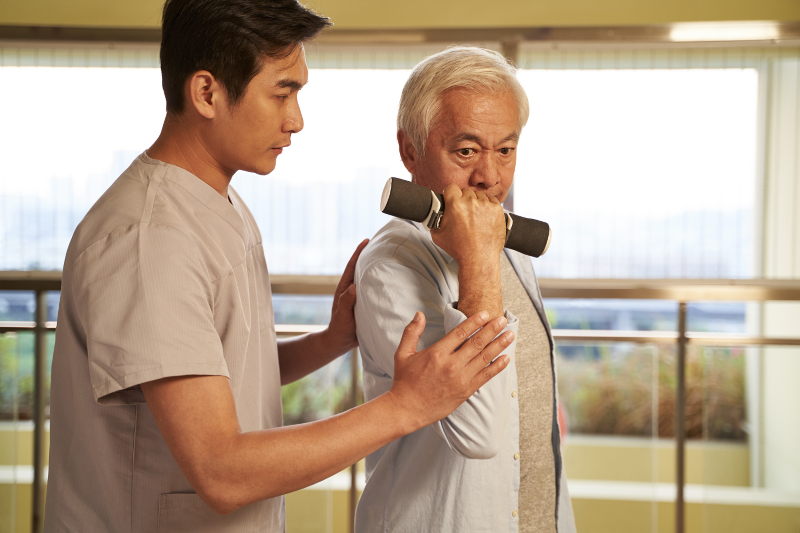
PTs can teach participants how to prevent or manage their condition so that they may achieve long-term health benefits. PTs examine each participant and develop a plan, using treatment techniques to promote the ability to move, reduce pain, restore function, improve range of motion, regain strength, improve endurance, and prevent disability.

PTs also work with participants to prevent the loss of movement before it occurs by developing fitness and wellness-oriented programs for healthier and more active lifestyles. Trained in exercise programs and rehabilitative interventions, PTs can also help with falls prevention. For older adults who wish to continue to live safely in their own homes, PTs can help with maintaining, restoring, and reaching the individuals’ optimum function.

Occupational Therapy

Through the therapeutic use of everyday activities (occupations), Occupational Therapists (OTs) help participants do the things they want and need to do. This helps them maintain their independence and remain in the community for as long as possible.

Common occupational therapy interventions include providing treatment to individuals recovering from injury to help them regain skills. OTs provide support for those experiencing physical changes as well as rehabilitation and education to help participants perform everyday tasks. These include, but are not limited to, bathing, dressing, cooking, getting in and out of bed, getting in and out of a car, and other Activities of Daily Living (ADLs).

For participants who may be having cognitive issues, OTs can also design exercises with the goal of improving memory and focus.  

Open Gym

CenterLight Healthcare PACE centers, located in Brooklyn, the Bronx, Manhattan, Queens, Long Island, and Westchester, have an open gym available for participants to use. This is supervised by PTs and OTs to ensure safety and help participants get the most out of their exercises. Participants can contact our team to schedule transportation to and from the PACE center, where they can enjoy therapeutic recreation activities and nutritious meals, see their medical provider, and take advantage of the well-equipped open gym.

Working with the CenterLight PACE Care Team

At CenterLight PACE, physical and occupational therapists are part of the Interdisciplinary Team (IDT), a group of dedicated professionals who work together to provide participants with the care they need, when they need it. And because our PTs and OTs are working with the full care team, they collaborate with each discipline to provide high quality, holistic care.


This blog post is written by Brendan Geraghty, Director of Rehabilitation at CenterLight Healthcare PACE.

H3329 RehabBlog2025 Approved 01282025
Updated 01022025

Social Work at CenterLight Healthcare PACE

< view all blog posts

Social Workers are important members of the CenterLight Healthcare Program of All-Inclusive Care for the Elderly (PACE) Interdisciplinary Team (IDT). Every day, our social work professionals collaborate with the rest of the care team to help our participants continue to live safely and independently in their own homes and communities. In this blog post, Kim Sodano, LCSW, LNHA, Director of Social Work at CenterLight Healthcare PACE, discusses the role of social workers in the IDT.

What is the role of a social worker?

Social workers provide counseling, emotional support, referrals, entitlement assistance, and more. CenterLight PACE participants know that social workers are part of their care team, and that they can come to us if they have a question, need assistance, or if they received a bill that they don't understand. We're here to guide them and be there for them as they keep up with the pace of aging.

How does the social worker collaborate with the rest of the care team?

As part of the IDT, social workers are involved in the discussion of effective treatment and any other issues that may affect our participants' care. We make sure that all aspects of the their situation is taken into consideration in their plan of care and addressed accordingly.

Each participant is assigned a social worker.

CenterLight Healthcare PACE participants are assigned a social worker who gets to know them--not only their medical diagnoses, but also their social, behavioral, emotional, and basic needs. Since we are based at the PACE centers, we are always available if they need assistance. Our participants can also call us, and we meet with them at the PACE centers or in their own homes.

Why did you become a social worker?

I became a social worker to make a positive impact toward social change. Being an advocate for individuals and communities while witnessing resilience and transformation is extremely rewarding.


Kim Sodano, LCSW, LNHA, is the Director of Social Work at CenterLight Healthcare PACE.


H3329_SocialWork2025Blog Approved 02202025
Last updated January 15, 2025

For Older Adults, Healthcare Can be Confusing. We Can Help!

< view all blog posts

Navigating the world of healthcare may feel like an overwhelming task. CenterLight’s Program of All-Inclusive Care for the Elderly (PACE) is designed to provide comprehensive, coordinated healthcare, and while PACE offers a lifeline to many older adults, the certification process for Medicare and Medicaid can often be confusing for them.

Ensuring that older adults can access the benefits they need without unnecessary barriers is more than just a matter of paperwork—it's about helping improve lives. CenterLight PACE can help answer questions and offer support to our participants or individuals interested in enrolling.

Understanding PACE

PACE programs provide comprehensive healthcare services to older adults who are eligible for Medicare and/or Medicaid, allowing them to stay in their home and communities for as long as possible. Through PACE, eligible* adults 55+ can receive all the services they need including medical care, rehabilitation services, home care, transportation, and more — all coordinated by a designated CenterLight PACE care team.

For older adults to benefit from this holistic care, they first need to meet specific eligibility requirements, including, but not limited to, proving eligibility for both Medicare and Medicaid.* Medicare and/or Medicaid must be maintained to continue all the CenterLight PACE services.

Securing Medicare and Medicaid

For many PACE participants, the process of securing Medicare and Medicaid can feel overwhelming. It often involves gathering medical records, understanding state-specific rules and submitting forms. If you’re an older adult or a caregiver, this process may be daunting. Many people face challenges in understanding which documents are required, how to complete forms accurately, or where to go for help.

For someone already dealing with health concerns, the last thing they need is added stress. It’s no surprise that so many individuals end up frustrated and confused. There are resources available. And our CenterLight team can help simplify the process.

Simplifying the Process

At CenterLight PACE, we believe that navigating the certification and recertification process should not be an additional burden on older adults or their families. We can help our participants in several ways:

  1. Providing Clear, Step-by-Step Guidance
  2. Assisting with Paperwork
  3. Connecting You to Resources
  4. Answering Your Questions
  5. Reducing Stress
  6. Medicaid Renewal

We’re Here to Help

Healthcare shouldn’t be a confusing maze—especially for older adults who already have so much to manage. At CenterLight PACE, our goal is to simplify the Medicare and Medicaid certification process for our participants. We have partnered with Senior Planning Service to facilitate Medicaid recertifications. They work closely with enrolled participants and their families along with our Social Work teams to ensure annual Medicaid renewal is facilitated timely with no disruption in services. We believe in providing the guidance, support, and resources that seniors need to navigate this crucial step in their healthcare journey. Together, we can make the process easier, allowing older adults to focus on what matters most: their health, independence, and happiness.

If you or a loved one are interested in PACE and struggling with Medicare and Medicaid certification, reach out to us today. We’re here to help!

CenterLight Healthcare PACE 致力於提供準確的健康相關資訊,以協助個人好好生活、保持健康,並做出明智的健康照護決策。本資料中的資訊嚴格來說是教育性的。我們建議使用者向其醫療提供者諮詢有關其護理的事宜。


This blog post is a collective effort of the Social Work Department at CenterLight Healthcare PACE.


*See our Care Services page for a full list of eligibility requirements.

H3329 EntitlementsBlog 02202025
Updated January 6, 2024

Dealing with Seasonal Allergies

< view all blog posts

As winter ends and the cold weather slowly goes away, spring brings with it beautiful flowers, grasses, and other pollen producers. During the spring months, we can start enjoying outdoor activities such as gardening or walking in the park. But while most people look forward to this season, it may not be as enjoyable for those who suffer from seasonal allergies.

Below are some tips to help reduce the discomfort of allergies:

Look out for allergy symptoms such as red, watery, and itchy eyes; sneezing; congestion; and runny nose.

Consult with your medical provider. Let your doctor or other medical provider know what your symptoms are so they can advise you of proper treatment and prevention techniques. Medical providers can also recommend new and existing allergy treatments that you can try to reduce the effects of allergy-causing substances.

If you are taking allergy medications, take them as prescribed. Medication compliance is a very important part of remaining safe and healthy.

Make sure you note when high pollen count days occur. Remain indoors as much as possible when pollen counts are high. Keep doors and windows closed.

Do not touch your eyes outside and wash your hands before touching them indoors.

If possible, avoid plants that are considered worse for allergies. These include, but are not limited to:

  • Flowers such as daisies, jasmine, and chrysanthemums
  • Indoor plants such as ferns
  • Shrubs such as cypress, juniper, and wisteria
  • High-pollen producing trees such as olive, birch, pine, oak, elm, cedar, and walnut
  • Bermuda grass, Johnson, orchard, and other varieties of grass

If your caregiver has pets and is visiting your home, tell them to wipe the pets down before they come in from outside. Pets' coats can be pollen and mold magnets.

For CenterLight Healthcare PACE Participants:

If you think you have allergies or are experiencing symptoms, your CenterLight PACE care team can help. Please let us know right away so that we can adjust your treatment plans. This includes recommending appropriate treatments based on your condition, and ensuring that any allergy regimen does not conflict with other medications or treatment.

CenterLight Healthcare PACE 致力於提供準確的健康相關資訊,以協助個人好好生活、保持健康,並做出明智的健康照護決策。本資料中的資訊嚴格來說是教育性的。我們建議使用者向其醫療提供者諮詢有關其護理的事宜。


This blog post is written by Heather Ogando, MD, Vice President of Clinical Operations at CenterLight Healthcare PACE.


資料來源:

H3329 Blog_NoPOInfo_Allergies
Updated March 20, 2025

The Importance of Feeling and Looking Good for Older Adults

< view all blog posts

CenterLight Healthcare’s Program of All-Inclusive Care for the Elderly (PACE) provides care and services that our participants need to help them remain living safely and independently in their own homes. We serve more than 6,300 people every day—and beyond medical and nursing care, physical and occupational therapies, nutrition, social work, and therapeutic recreation services, our team aims to improve the quality of life of those we serve. True to our mission, our goal is to make a difference in our participants’ lives.

Some of our participants’ favorite activities are our “Self-Care” programs, which allow them to relax and enjoy services such as manicures, massages & haircuts from certified individuals. Our Flushing, Wallerstein (Bronx), Westchester, and Stillwell locations even have a dedicated space for a salon/barber shop, while the rest of the sites bring in beauty care experts as part of their special events.*

These types of programs may not be the usual activities that come to mind when you think of healthcare. But at CenterLight PACE, we believe that providing complete care means we provide not only services that our participants need for their physical health, but also those that can help them feel good mentally and emotionally. In essence, we aim to nourish our participants' body and soul.

For CenterLight PACE participants, one of the benefits of self-care programs is the convenience of not having to go to a salon or barber shop. On days when self-care programs are in the schedule at our PACE centers, our participants can enjoy these services while they are at the site taking part in other TR activities, seeing their nurse, speaking with their social worker and dietitian, or using the open gym. Although it may be tough for some older adults to travel from one place to another, for CenterLight PACE participants, transportation is provided to and from our centers.

As we grow older, we may fear losing our independence or being too focused on other needs that self-care becomes very low on the priority list. It’s amazing how a simple haircut or manicure can help someone feel more confident and in control, and more importantly, promote a healthy sense of self that can contribute to mental wellness. In fact, a study published in the National Library of Medicine concluded that beauty care is effective for maintaining and improving the self-rated health and depression status of community-dwelling older adults.**

Our commitment to holistic care and providing these types of simple but meaningful experiences for our participants come from the belief that an individual's health and capabilities may decline with age, but their personalities and who they are at their core remain. We love that we get to know our participants as their unique selves while respecting their individual needs and preferences. They become like family, and it's always amazing to see your family feel good about themselves. I have personally seen how these simple things can make participants feel connected to their younger selves, and our team is very privileged to be a small part of those moments.

*Participants should check the TR activities schedule or ask their care team when self-care/beauty care programs are scheduled at their site.

**Source: https://pubmed.ncbi.nlm.nih.gov/27250219/


本博文作者為Kathleen KeeganCenterLight Healthcare PACE 的治療性康樂服務主任。

H3329 SelfCareBlog Approved 02202025
Updated 12302024

分享攝影的禮物

< view all blog posts

當您進入一棟建築物時,首先看到的是什麼?是什麼讓您有賓至如歸的感覺?除了人之外,是什麼讓一個地方讓人感到溫暖?

走進 CenterLight Healthcare Program of All-Iclusive Care for the Elderly (PACE) 的十一家中心之一,您會在大廳看到色彩繽紛、美侖美奐的攝影作品,這是網路與廠商合約部助理副總裁Angie Lavigat 的功勞。

我們與 Angie 討論了與 CenterLight PACE 參加者和工作人員分享攝影禮物的感受。以下是我們對話的一些重點。

您攝影多久了?

我一直都有拍照,甚至在我年輕的時候。大約 10 年前,我開始專業攝影。能參與人們生活中的特殊事件是我的榮幸。而現在我的照片大多是自然風光,我喜歡捕捉周圍的美景。


您最喜歡攝影的哪一方面?

攝影是一種凝固時間的方式。我喜歡記住一幀幀照片中捕捉到的瞬間,那些由照片喚起的特殊回憶和感受

您的照片是如何出現在 CenterLight PACE 中心大廳的?

我和同事們一起進行一項特別的美化計畫。這些中心充滿了生命力,中心裡的人也讓人感到溫暖。我們的參加者和工作人員讓這些場所成為一個美麗的地方,只因為他們是這樣的人。但是環顧四周,空間卻缺少了一些東西。因此,我們萌生了將參加者、員工和訪客喜歡看的照片張貼出來的想法。

我感到很榮幸,因為我拍攝的照片被選中在這些地點展出。CenterLight 對我來說非常特別,因為我已經在這裡工作了 30 年。我開始利用自己的時間,特別為這個專案拍攝更多的花園和花卉照片,包括我在亞利桑那州沙漠植物園旅行時拍攝的照片,以及一些來自橘郡植物園的照片。這是一項愛心的勞動。 我想要確保照片完美無瑕,因為我們的參加者和工作人員值得擁有這樣的照片。

在 CenterLight PACE 中心展示您的照片的最大好處是什麼?

在 CenterLight PACE,我們的使命是幫助豐富我們服務對象的生活。我很感謝自己每天都能為實現這個使命盡一份微薄之力,而且當我們的參加者來到我們的 PACE 中心時,他們會看到我拍攝的照片。當我聽到這些展示讓人們臉上露出笑容時,那是最棒的感覺。我甚至聽說有人看到照片後哭了。我知道自己能夠透過攝影來分享美麗,並讓他人的生活有所改變,這讓我感到非常感動和謙卑。

我非常紮根於 CenterLight。它就像是我的第二個家,就像我們中心的參加者和我的同事的第二個家一樣。我想不出有比在一個對這麼多人來說有如此深刻意義的地方,更適合我攝影的地方了

您希望人們從您的照片中得到什麼?

當參加者、工作人員和訪客看到我的照片時,我希望他們能看到大自然的美,並記得無論如何,生命都是美好的。

下面請欣賞幾張 Angie 的照片!
(請點擊照片查看高解析度版本。)

藝術是 CenterLight Healthcare PACE 中心生活的重要部分。請留意我們即將推出的參與者藝術展公告!

H3329 Blog_NoPOInfo_Angie
最後更新 2025 年 3 月 17 日

關懷照顧者

< view all blog posts

根據梅奧診所的資料,在美國,大約每三個成年人中就有一個人要照顧年長、生病和/或有特殊需求的親人。隨著人口老化,越來越多的人發現自己成為照護者。

這導致照顧者本身面臨許多問題。研究顯示,40-70% 的家庭照護者會出現抑鬱的臨床症狀,通常是因為與照護責任相關的孤立感和孤寂感。事實上,有 17% 的照護者表示,他們的健康因照護責任而惡化,而且可能隨著時間的推移而惡化。

照護者壓力的跡象有很多,包括

  • 酒精和/或藥物誤用/濫用。
  • 持續感到憂慮、沮喪和/或焦慮。
  • 感到疲倦、睡太多或睡不夠。
  • 體重增加或減少。
  • 易怒。
  • 對以前喜歡的活動失去興趣。
  • 經常頭痛或其他疼痛,以及/或健康問題。
  • 錯過醫療預約。

保持健康的策略

將您親人的照顧托付給別人可能會很難,但是花時間自我照顧對您和他們都很重要。自我照顧可以幫助您保持平衡、專注和有效地照顧家人。請務必在您的日常工作中預留時間來關注自己。這會讓您感到更有聯繫和滿足感。

提供給照顧者的可用資源包括

  • 喘息照護 服務- 提供短期紓緩,讓您有時間休息、旅遊或陪伴他人。舉例來說,CenterLight Healthcare PACE參加者的照護者可以在您度假或有其他事情需要您注意時,依靠我們提供照護。當您外出時,您可以放心您的親人正在接受他們所需的照護和服務。
  • 社區和線上都有支援團體,提供與有相同經歷的人聯繫的機會。
  • 您也可以在當地圖書館或線上取得教育資源。從值得信賴的來源尋找有關照顧的有用資訊。瞭解您面臨的問題可以幫助減少焦慮,並讓您在扮演照護者角色時充滿信心。一些擁有豐富照顧者資訊的機構包括MedlinePlusMedicare.govNational Institute on Aging

以下提示也可能對您有所幫助:

  • 找一項您感興趣的活動/嗜好。參加瑜珈、散步、看電影、與親朋好友共進晚餐,以及其他能讓您與他人保持聯繫的活動。
  • 健康飲食、運動,並定期看您自己的醫療服務提供者。身為照護者,您可能沒有足夠的睡眠或體力活動,或是飲食不均衡。缺乏睡眠、運動和不良的飲食習慣可能會增加您罹患心臟病和糖尿病等健康問題的風險。此外,長期的壓力也會損害您的健康。請注意您自己的健康,並定期看您自己的醫療服務提供者進行檢查和預防性護理。
  • 冥想。呼吸意識是最簡單的放鬆技巧之一。冥想可以減少壓力和焦慮、改善情緒、增強專注力,並有助於降低血壓。
  • 尋求協助。身為照護者,您可能要兼顧許多職責 - 要知道何時尋求協助,無論是向朋友、其他家庭成員、社區組織,還是像 CenterLight Healthcare PACE 這樣的計劃,都意味著您要將您親人的最佳利益放在心上。

希望這篇文章對您有所幫助。更重要的是,請記住您並不孤單。我們有提供照護者支援的資源。

CenterLight Healthcare PACE 致力於提供準確的健康相關資訊,以協助個人好好生活、保持健康,並做出明智的健康照護決策。本資料中的資訊嚴格來說是教育性的。我們建議使用者向其醫療提供者諮詢有關其護理的事宜。


這篇部落格文章的作者是

Jocelyn Pappalardo,BSN,註冊護士,CenterLight PACE 品質總監

Meghan Little,MSN,註冊護士,CenterLight PACE 品質管理專員


資料來源

*梅奧診所

** 家庭照顧者聯盟

https://www.caregiver.org/news/caregiver-isolation-and-loneliness/

https://www.caregiver.org/resource/caregiver-statistics-health-technology-and-caregiving-resources/

H3329 CaregiverTips_Web Approved02202025
已於 2024 年 12 月 26 日更新

Sheila 的故事中心之光拯救了我的生命

< view all blog posts

Sheila 與 CenterLight Healthcare全包式老人照護計畫(PACE) 的結緣,始於她與姐姐和外甥女在布朗克斯區 Wallerstein PACE 中心附近散步時。當她經過時,看到外面的工作人員正在準備一場時裝表演。工作人員熱情地歡迎 Sheila,她說她想觀賞,她對 PACE 計畫留下了深刻的印象,並立即報名參加。

正如 Sheila 在影片感言中所分享的,CenterLight 真的「拯救了她的生命」。這讓她有理由走出家門,並迅速成為身心活動的來源。用她自己的話來說 

我喜歡 CenterLight。我真的很喜歡。CenterLight 救了我的命,當時我在家裡發胖、發胖、發胖,什麼都不做。之後,CenterLight 讓我有了我喜歡的畫作。它讓我感覺很好。一切都在這裡。你不需要去診所,只要來這裡,就可以看醫生、護士、物理治療師;一切都在這裡。你可以修指甲、做頭髮等等。這裡很好,真的很好。我喜歡這裡的工作人員。他們就像我的女兒和兒子,我愛他們。一進門,我就知道我會和關心我的人在一起,我很享受。所以,來 CenterLight 享受一下吧。

在 CenterLight PACE,Sheila 學會了對繪畫的熱愛,她也因與同齡人建立的社交關係而茁壯成長,將他們視為自己大家庭的一員。這些關係以及她的活動,確實是她的生命線。Sheila 多年前就加入了她的繪畫小組,她對藝術的熱愛從未動搖。事實上,Sheila 的一幅繪畫曾被選入一個特別的月曆計畫,並因此獲獎。Sheila 至今仍深情地回憶著那段經歷,並自豪地談論著。

Sheila 加入 CenterLight PACE 已經 11 年了,在發佈這篇文章時,她還是一名參與者。

H3329 SheilaBlog2024 批准 01232025
最後更新 2024 年 12 月 27 日

CenterLight Healthcare 與聯邦醫療保險和醫療補助服務中心 (CMS) 及紐約州衛生局 (NYSDOH) 簽訂了 PACE 核准合約。CenterLight Healthcare PACE 的註冊取決於與 CMS 和 NYSDOH 續約的情況。參與者可能要個人承擔未經授權或 PACE 計畫協議外服務的全部費用。加入後,PACE 計畫將是參與者唯一的服務提供者。參與者將可獲得跨領域小組所確定的所有所需服務,但無法獲得這些服務的特定提供者。如需詳細資訊,請與我們聯繫。

H3329 CLPACEWebsite Approved 10222024

Last Updated on June 13, 2025
The owner of this website has made a commitment to accessibility and inclusion, please report any problems that you encounter using the contact form on this website. This site uses the WP ADA Compliance Check plugin to enhance accessibility.