How CenterLight PACE Supports Hormonal Health

< view all blog posts

The body’s endocrine system plays an important role in regulating essential functions through hormones such as insulin, which helps control blood sugar, melatonin (which supports healthy sleep), and growth hormones that influence overall wellness. As we age, changes in hormone levels are common and can contribute to health conditions that require ongoing care and monitoring.

Hormonal/Endocrine Disorders

CenterLight PACE provides comprehensive care for participants living with conditions such as:

  • Chronic Kidney Disease
  • Diabetes
  • Hypo/Hypethyroidism
  • Renal Failure
  • Dialysis

A Team to Support Hormonal Health

At the CenterLight Healthcare Program of All‑Inclusive Care for the Elderly (PACE), our goal is to manage our participants' health and help them continue to live safely and independently in their own homes for as long as possible.

The strength of CenterLight Healthcare PACE lies in the skill and dedication of our care team, which includes, but is not limited to, doctors, nurses, physical and occupational therapists, dietitians, social workers, and therapeutic recreation specialists. Each participant receives personalized care according to their needs. For those managing hormonal or endocrine conditions, care is coordinated by the CenterLight PACE team and may include services from our extensive network of specialty providers. We also have a team of pharmacists who help with proper management of medications.

Services to Support Hormonal Health

Care for participants with hormonal or endocrine disorders may include a combination of services provided both at the CenterLight PACE Center and at home.

At the CenterLight PACE CenterAt Home
Individualized meal planPersonalized exercise programs
Support groups, workshops, and nutrition counseling from registered dietitiansAssistance provided by the Home Health Aide, Personalized Care Worker
Physical exercise and walking groupsEducational materials and monitoring devices
Medical management, including monitoring of blood sugarClinician home visits and regular follow-up
Administration of medicationsMeal planning and support to promote hormonal balance
Dialysis center collaborationTransportation services

At CenterLight PACE, we take a whole‑person approach to hormonal health—providing coordinated, compassionate care that supports both medical needs and everyday well‑being. By combining clinical expertise with personalized services, we help participants manage their conditions with confidence while continuing to live comfortably and independently at home.

CenterLight Healthcare PACE 致力於提供準確的健康相關資訊,以協助個人好好生活、保持健康,並做出明智的健康照護決策。本資料中的資訊嚴格來說是教育性的。我們建議使用者向其醫療提供者諮詢有關其護理的事宜。


About the Author

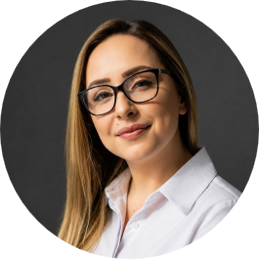
Patricia Connelly serves as Chief Operations Officer at CenterLight Healthcare. Inspired by her mother who is a retired registered nurse, Patty built her career around a passion for caring for others. When asked what she enjoys most about working in healthcare, Patty shares that engaging with the participants who rely on CenterLight for their care is the most rewarding and fulfilling part of her role.

In her own words:

“It is inspiring to hear their stories and to know that we make a meaningful difference in their lives." 

H3329 Blog_HormonalHealth Approved 03052026
Updated February 20, 2026
The Role of Compliance in Providing High-Quality Care

< view all blog posts

Programs of All-Inclusive Care for the Elderly (PACE) play a critical role in providing care to older adults who require ongoing services and supports due to illness, disability, or aging-related issues. At CenterLight Healthcare PACE, where we coordinate complex care across our participants’ physical, social, and psychological needs, compliance is not just a regulatory requirement. Rather, it is a cornerstone of high-quality care.

Compliance is often misunderstood as a set of rules to follow or a checklist to complete. In practice, it functions as a structural support system—one that protects participants, guides teams, and reinforces standards that make safe, compassionate care possible.

Safeguarding the Rights and Well‑Being of Participants

Compliance establishes safeguards to ensure that participants are receiving the services they need when and where they need it. We are entrusted with the care of older adults who are often medically fragile and socially vulnerable. It is our job to protect their rights, establish standards and strict protocols for providing timely and high-quality care, and ensure that the services they receive are aligned with their unique needs and provided with compassion and respect.

The role of Compliance includes review of policies, procedures, and thoroughly reviewing documentation of participant care, assessments, and care planning. This includes structured processes that help reduce gaps in care, make sure that services are provided based on medical necessity, and promote trust and a sense of responsibility among all members of the Interdisciplinary Team.

Strengthening Care Through Oversight, Data, and Insight

The Compliance team conducts regular audits of documentation. Reliable and timely data and reporting enable the team to identify trends and implement care plans using the big picture—which can only be seen with complete participant records. It facilitates communication and accurate care planning, thus benefiting the participants and the quality of care they receive.

Audits establish checks and balances within the organization. Regularly reviewing operational practices provides an objective way to identify risks, inconsistencies, and areas of improvement before they negatively affect participants. Compliance audits function as a proactive tool to strengthen internal controls, support ethical decision making, and help maintain integrity of care delivery systems.

Preventing Fraud, Waste, and Abuse

Financial integrity directly supports care continuity. With PACE programs being funded through Medicaid and Medicare, Compliance monitoring facilitates proper stewardship of resources by working with teams across the organization. We aim to ensure billing accuracy, provider documentation, clinical review, appropriate provision of services, and more.

Compliance also helps shape provider network adequacy and credentialing processes. In coordination with the Provider Relations Department, the Compliance team ensures that the organization is maintaining a network capable of delivering high-quality, coordinated services. With thousands of providers in the network, an effective compliance program helps uphold ethical standards and minimize fraud, waste, and abuse.

Building a Culture of Compliance

Regulations alone do not create quality, culture does. At CenterLight Healthcare PACE, we work together to foster clear policies and accessible procedures, ongoing staff training, transparent data reporting, strict non-retaliation and open-door reporting of issues, and cross-department collaboration. Our organizational values include integrity, creativity, diversity, caring, accountability, approachability, and availability—and we strive to apply these values in everything we do.

When everyone in the organization understands that compliance’s goal is to advocate for participants’ wellbeing and support them in their work, they are more likely to engage meaningfully with regulatory requirements. A culture of compliance, then, can become a way of life instead of regular audits and occasional corrective actions.

Looking Ahead: Adapting Compliance for the Future of Care

As care models like PACE expand, the health industry continues to evolve, and regulatory scrutiny increases, compliance programs must remain adaptable. Technology, data analytics, and predictive risk modeling are becoming essential tools in identifying potential compliance and quality issues before they escalate.

Beyond focusing on leveraging technological advances, real-time data monitoring, integration of compliance with quality programs and care delivery, and strengthening oversight, the future of compliance and the impact it has in quality of care still depends on people. At CenterLight Healthcare PACE, we believe that an effective compliance program depends on staff integrity, buy-in, and a deep understanding of how doing things the right way affects not only organizational goals but more importantly, participant well-being.

The objective is for compliance to serve not merely as oversight, but as a strategic driver of excellence and high-quality care to those who need it most.

Every regulation, requirement, documentation standard, and audit process ultimately exists to ensure that participants receive safe, effective, and person-centered care.


About the Author

This blog post is written by Alicia Nelson-Jones, Chief Compliance Officer at CenterLight Health System.

In her own words:

“Compliance isn’t just about following regulations—it’s about doing the right thing and protecting the dignity, comfort, and trust of the people we serve. High-quality care means showing up each day with compassion, integrity, and a commitment to treat every one with compassion and respect.”

H3329 NoPOInfo ComplianceAndHighQualityCare
Updated February 13, 2026

Finding Community and Purpose: Muhammad’s Journey at CenterLight PACE

< view all blog posts

Meet CenterLight Healthcare Program of All-Inclusive Care for the Elderly (PACE) participant Muhammad Falzur Rahman, who has been enrolled in the program since 2024.

His inspiring journey from leading prayers as an Imam to finding a supportive community in our South Asian Cultural Alternative Care Site (ACS) in Jamaica is a testament to how CenterLight PACE helps participants continue doing what they love as they age. In the following interview, you'll discover how his experience at CenterLight PACE has transformed his daily life and helped promote his independence.

Interviewer: Please tell us a little bit about your background.

Participant: I used to lead prayers. I served as an Imam in at least three mosques. Whenever I went to my village, I led the prayers there. And here in the city, I did it regularly.

Interviewer: How was life for you when you were no longer able to lead services in your mosque?

Participant: After that, I served as a second Imam here. Initially, I started as a second Imam here. After a year, I went back home and stayed there for four months. Because of that long absence, I lost my position as they had to hire someone else.

My mental state was very bad at that time. I was surrounded by people I knew, and everyone respected me there Subhanallah, Subhanallah [Glory be to Allah]. Leaving behind that respect and everyone's love made my heart feel heavy.

Now, I am leading the prayers here at CenterLight.

Interviewer: How did coming to Jamaica ACS change your daily life?

Participant: We do exercises here. [Therapeutic Recreation Specialist] Belinda leads our exercise sessions, and she conducts very nice exercises, I enjoy them a lot. The environment, the behavior of people, and everyone's love have truly impressed me. That's why I like it here at CenterLight PACE.

Interviewer: How do you feel after spending the whole day here and then going home?

Participant: It's normal to feel a little upset, but somehow, life goes on. I carry the memories of this place with me and remember the love from everyone, that's what stays in my heart.

Interviewer: Can you describe the moment you realized you could begin leading services again at CenterLight Jamaica ACS and how did that feel?

Participant: When I started leading prayers here, everyone accepted me and liked me. At first, I suggested that someone else take the responsibility, but no one wanted to. Everyone kept requesting me to lead the prayers. That means they accepted me. I didn't step forward on my own at first. Even the head of CenterLight PACE always supported me and encouraged me to lead the prayers here.

Interviewer: And how has being part of the Jamaica ACS supported your independence, well-being and sense of progress? 

Participant: From time to time, when I sit idle for a while, I read from the Qur'an and Hadith. People listen to me, and I enjoy talking with them. I really like coming to CenterLight PACE.

Interviewer: Is there anything you would like to share with others who may be considering joining a program like the ACS?

Of course, I would. CenterLight provides many facilities. There's good food, opportunities to interact and bond with others honestly and respectfully, a chance to pray, and essentially, everything one needs is available at CenterLight PACE.

Interviewer: Suppose you go home and have relatives or friends, would you recommend that they join ACS here in Jamaica?

Yes, I always mention it at the mosque where I pray, I always talk about Center. People often ask me where I go and what I do there. I tell them that as soon as we arrive, breakfast is arranged, and they pick us up and drop us back by car. They serve breakfast, tea, and coffee very nicely, whatever someone prefers, it's provided. They also organize exercise sessions and serve juice. Everything is taken care of.  After that, they arrange proper meals for us. They serve delicious Bengali food, along with vegetables, lentils - everything is well organized for us. That's why it feels very good in the heart, and we feel happy and satisfied. Because of this, I tell people that if they are interested, they can come with me and see it themselves. I even tell my friends and relatives. Insha'Allah, there are proper ablution facilities here, separate wudu areas, and prayer rooms. There are also bathrooms and everything else is fully complete. That's why we love CenterLight PACE. Before coming here, I didn't know that CenterLight PACE provided such excellent arrangements, supported by the government. But after arriving here, I saw that everything is very well organized. Insha'Allah, that's why I like it so much.

H3329 NoPOInfo MdRahmanTestimonial
Last Updated February 12, 2026

This interview was translated by a certified translation agency.

The Importance of Government Relations and The Impact on PACE Participants in Underserved Communities

< view all blog posts

Meet Christopher Consalvo, CenterLight’s Assistant Vice President of Government Affairs and Development. Behind the scenes, he works to advance initiatives that support PACE growth across Metro New York, serving as a trusted liaison to federal, state and local agencies. 

Chris shared that it was “Schoolhouse Rock” that sparked his interest in politics as a child. Growing up in the wake of 9/11 also deepened his fascination with how government responds during times of crisis.

Chris later became active in student government during high school and college and volunteered on political campaigns. Before transitioning into healthcare government relations, he worked for the NYC Community Board and served as a staff member for a New York State Senator.

In His Own Words

How does government relations support and strengthen the PACE model?

"The PACE model is jointly funded by federal and state government, and it operates within a complex web of rules and regulations at both levels. Legislators in Washington, D.C. and Albany — as well as regulators at the Centers for Medicare & Medicaid Services (CMS) and the New York State Department of Health — directly impact our daily operations.

By building and maintaining strong relationships with government partners, we help ensure the program’s long-term success through trust, accountability, and understanding. Compared to other parts of the long-term care system, PACE is still relatively small and doesn’t always receive the attention it deserves. A key part of my role is ensuring policymakers not only understand PACE but are positioned to become champions for it.

Effective government relations rely on storytelling. When I meet with elected officials and their staff, I share stories about our participants and the staff who go above and beyond for them. These are their constituents — and when our stories become their stories, the importance of PACE comes sharply into focus."

Why is government relations important for the communities that PACE serves?

"Ageism is real, and too often the voices of older adults are overlooked. Even though many legislators are older adults themselves, ensuring aging communities are fully heard can still be a challenge.

When elected officials tour our PACE Centers and see how active and engaged participants are, it challenges preconceived notions about aging. Showcasing older adults through the PACE model strengthens support for the program and connects us with individuals and organizations advocating for older adults. That’s how strong coalitions are built — and coalition-building is essential to expanding PACE into more communities."

What’s one moment that reinforced the importance of your work for PACE participants?

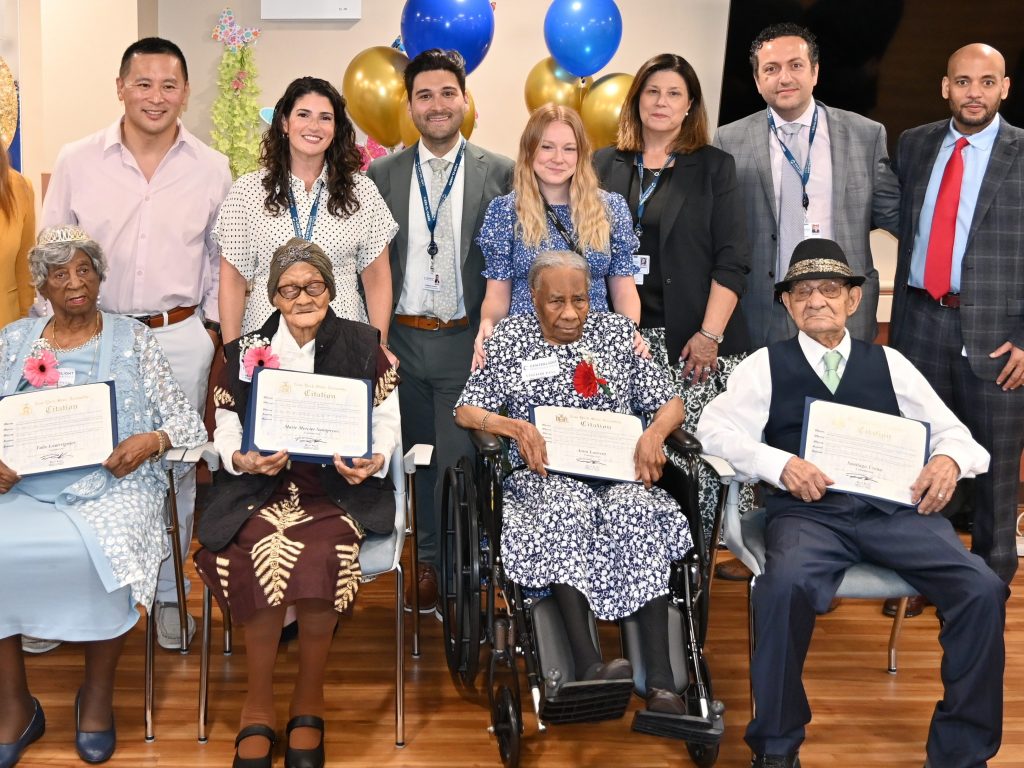
"Our first-ever Centenarian Day truly reinforced the importance of this work. Celebrating participants who reached 100 and beyond was a powerful testament to the PACE model.

Assemblymember Ron Kim attended and presented our centenarians with official citations from the New York State Assembly. He spoke about his connection to older adults, his Korean heritage, and brought his school-aged daughter — a symbolic bridge across generations. The year prior, his office awarded CenterLight critical capital funding to replace the elevators at the Flushing site. That moment captured how proactive engagement with elected officials can lead to meaningful outcomes for our participants."

What motivates you to advocate for older adults?

"If we’re lucky, we enter our senior years healthy and supported. But that doesn’t happen by accident — it requires planning, community and strong government programs like PACE.

I’m grateful to still have both of my grandmothers, who shaped my upbringing (and made me a better cook and baker). I’ve always been an old soul and find older adults to be a tremendous source of wisdom. I love that CenterLight celebrates each participant as an individual, giving them opportunities to share their stories and express themselves authentically."

What does serving the underserved mean to you personally?

"When developing advocacy positions, I keep the well-being and quality of life of our participants front and center. I often think of novelist Alice Walker’s quote: “The most common way people give up their power is by thinking they don’t have any.”

Challenges that feel insurmountable alone can often be addressed when people come together and use their voices collectively. Advocacy is a powerful tool — but most powerful when shared. I’m especially excited about the opportunity to bring several of our participants to Albany next month so they can speak directly with elected officials about their experiences at CenterLight."


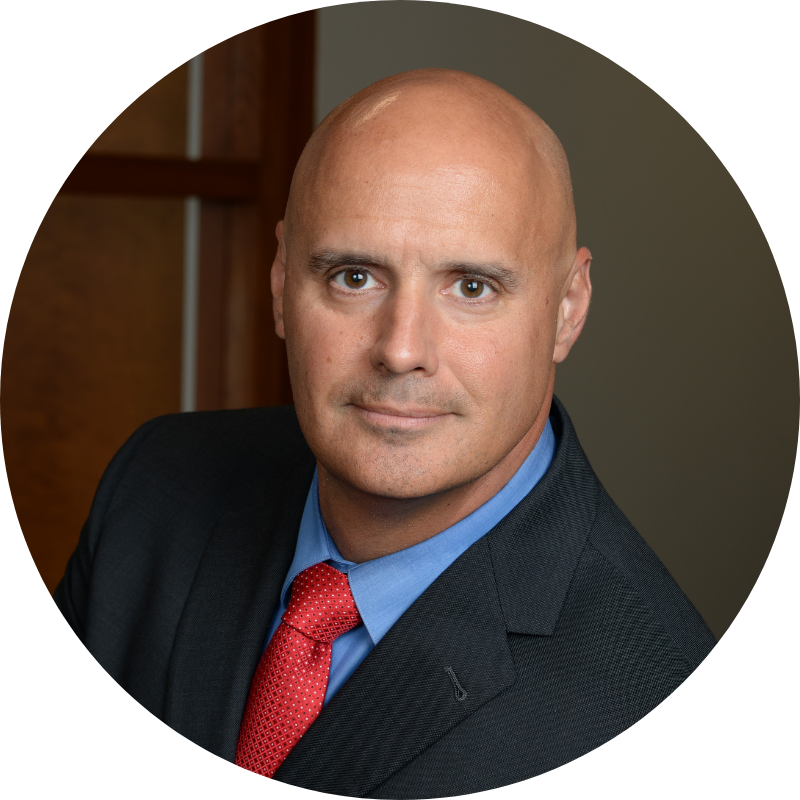
Christopher Consalvo is Assistant Vice President of Government Affairs and Development at CenterLight Health System.

H3329 NoPOInfo_Govt_Relations_Testimonial
Last Updated February 9, 2026

Hiring for Heart: Compassionate Care Requires Compassionate People

< view all blog posts

In healthcare, every interaction can change someone’s day, or even their life. Compassionate care starts long before a health professional meets a patient—or a participant, in the case of CenterLight Healthcare Program of All-Inclusive Care for the Elderly (PACE), where caring is one of our organizational values.

For more than four decades, CenterLight’s mission has always been to provide high quality care that helps older adults continue to live in their own homes. Our participants rely on us not only for medical care, but for all the services they need to thrive and age in place. Often, we become an extension of their family—a privilege and an honor that our team doesn’t take for granted.

Compassion Comes from Within

Beyond clinical expertise and professional experience, empathy, patience, and genuine compassion are essential qualities in healthcare professionals.

Skills can be learned and protocols can be mastered, but compassion comes from within. The instinct to listen, to treat every person as an individual, and to notice what is not being said does not come from degrees. Rather, it shows up in small but powerful moments, like taking extra time to explain a diagnosis, offering reassurance during a difficult time, or recognizing when a participant simply needs to feel seen and be heard.

That’s why we strive to look not just at resumes. We listen for stories that reveal kindness under pressure. We look for individuals who speak about teamwork, respect, and purpose. Our goal is to uncover how someone responds when a situation is challenging, emotional, or uncertain, because that’s when compassion matters most.

We believe that when people are driven to improve someone’s quality of life, they bring the full strength of their expertise to the work.

Building a Culture of Caring

When compassionate people work together, it creates an environment where empathy is the norm, not the exception. In the PACE model, where a full care team made up of various disciplines provides services to participants, it is especially important for staff to support one another, communicate more openly, and share a deep sense of responsibility.

This organizational culture is especially evident when you hear about the experiences of those we serve. Just walk into one of CenterLight’s PACE centers and witness their interactions with staff. Speak with participants and you will hear how CenterLight saved their lives. In one instance, for example, the son of one of our participants even wrote a song dedicated to and in appreciation of the nurse who takes care of his mother.

The Heart of PACE

PACE is about more than healthcare. It’s about helping older adults live safely and independently in their communities for as long as possible while honoring their life experiences, preferences, cultural traditions, and unique needs. This requires more than expertise. It requires heart.

A person’s experience and credentials are vital to providing high quality care and positive healthcare outcomes. But what’s even more important is how they use their profession to make a difference in the lives of others.

Click here to learn about careers at CenterLight.


About the Author

This blog post is written by David Silva, Chief Administrative Officer at CenterLight Health System. David has been working at CenterLight for more than 10 years and oversees Human Resources, Marketing, Information Technology, and Parkchester Enhancement Program (PEP) for Seniors, a Naturally Occurring Retirement Community in Bronx, New York.

In his own words:

"At CenterLight, I believe our strength is our teamwork. We work together to provide high quality care, and each of us is committed to meeting our participants’ needs with respect, dedication, and compassion."

H3329 HiringforHeart_NoPOInfo
Updated February 10, 2026

Protecting Yourself Online: Recognizing and Avoiding Online Scams

< view all blog posts

Online scams are a growing concern, especially for older adults and their families. This is an issue that has been widely reported in the news, as older adults continue to be tricked by fake emails, phone calls and text messages.

In today’s digital world, scammers are finding new and sophisticated ways to deceive people every day. Those who are unaware of the risks may face serious consequences, including the loss of money, trust and confidence. In some cases, their life savings are at stake.

While people can fall victim to scams at any age, older adults are often targeted and may be less likely to report incidents. According to the Federal Trade Commission, total reported fraud losses for those over 60 amounted to $2.4 billion. New tools and technology, like AI voice impersonation, have made it harder to tell what is real and what is not.

While enforcement efforts are growing, many cases are difficult to prove or prosecute due to the international nature of these schemes.

Protecting yourself through awareness and prevention remains the most effective way to combat this growing issue. When older adults, families, and caregivers work together, it becomes easier to spot warning signs.

Follow These Tips to Stay Safe

  • Never share personal information like Social Security numbers, bank details and passwords.
  • Don’t click on links or download attachments from unknown senders.
  • Hang up immediately if a caller pressures you or asks for money.

Text Message Scams

  • Ignore suspicious texts; don’t reply.
  • Don’t click links — they may lead to fake websites.
  • Example: 'Your bank account is locked. Click here to verify: [fake link]'

Email Scams

  • Check the sender’s email carefully to make sure it is a real address.
  • Look for red flags: poor grammar, urgent language.
  • Example: 'URGENT: Account Suspended. Click here to verify.'

Phone Call Scams

  • Don’t trust caller ID — numbers and contact names can be faked.
  • Never pay with gift cards or wire transfers.
  • Example: 'This is the IRS. Pay now or you’ll be arrested.'

Extra Protection

  • Enable call blocking on your phone.
  • Use antivirus software for email protection.
  • Hang up and verify.
  • Sign up for the Do Not Call Registry: donotcall.gov

資料來源:

  • Addressing Scams Affecting Older Adults | consumer.ftc.gov
  • BBC Scam Alert: Top Tricks Used to Scam Older Adults | bbb.org
  • SCAM Alert | allaboutseniors.org
  • Phishing Scams Explained | ncoa.org
  • A Guide to Online Safety | allseniors.org
  • 6 Smart Tips to Help Seniors Avoid Scams | pcmag.com
  • Federal Trade Commission | justice.gov/opa/pr/department-justice-releases-2025-annual-report-congress-efforts-combat-elder-fraud-and-abuse

About the Author

This blog post is written by Randolph Repollet , Senior Director, Information Systems and Technology at CenterLight Health System.

In his own words:

"IT services are the foundation to quality care. Every clinical decision, care coordination effort and participant interaction depends on secure, reliable and timely access to data. I am proud of our team for keeping our systems working seamlessly so our care teams can focus on our participants"

H3329 Blog_Online services
Updated February 10, 2026

Treating the Whole Person, Not Just the Diagnosis

< view all blog posts

At CenterLight Healthcare Program of All-Inclusive Care for the Elderly (PACE), our goal is to enrich our participants’ lives and provide all the care they need to live safely and independently in their own homes and communities for as long as possible.

A Focus on the Whole Person

The PACE model centers on holistic care, recognizing health as more than medical treatment alone. It addresses the physical, emotional, social, and psychological needs of older adults while coordinating services under one roof and eliminating fragmented care. The focus is on the whole person, not just symptoms or diagnoses. For our participants, this integrated approach is especially important, as multiple chronic conditions, mobility challenges, and social isolation often overlap.

A Team-Based Approach

Each CenterLight PACE participant is supported by an interdisciplinary team that includes, but is not limited to, doctors, nurses, physical and occupational therapists, social workers, dietitians, and therapeutic recreation specialists.

The care team works together to share insights, adjust care plans as needed, and ensure that participants receive the care they need when they need it. It is important to note that not only do they meet regularly as a team, they also meet with those we serve and/or their caregivers for regular assessments and to ensure that they are an active participant in their own care.

  • This approach ensures that medical, emotional, and social factors are considered together, not in isolation.
  • Coordination of services under one program provides a complete picture of the participant’s health.
  • This enables effective preventive care, reduces duplication of services, prevents negative medication interactions, and minimizes unnecessary hospitalizations.

Addressing Physical Health

CenterLight Healthcare PACE has locations across New York City, Westchester, and Long Island. At our PACE Centers, participants have access to:

Holistic care extends beyond the walls of our PACE centers.

  • Depending on their needs, participants may receive home care services.
  • Caregivers are also supported through education, respite services, and guidance.
  • Participants have access to a large network of community primary care providers and specialists.
  • They receive necessary medications, vision and hearing services, and anything else that they need.*
  • Participants do not have to worry about transportation to and from medical appointments and the PACE centers, as this is provided as part of their care.

Focusing on Mental Health, Social Connection, and Community

Holistic care recognizes that an individual’s mental and emotional well-being is just as important as physical health. CenterLight Healthcare PACE participants receive social work services, which may include counseling and referrals to behavioral health. The goal is to address conditions such as depression, anxiety, and memory concerns early to help improve participants’ overall quality of life and functional independence.

Social isolation can have serious health consequences for older adults. CenterLight PACE participants have access to our Day Health Center, which provides opportunities for social interaction through group activities, recreational programs designed according to their cultural traditions and personal preferences, and peer engagement. These connections foster a sense of belonging and purpose, which can be just as important as medical care.

Nutrition and Lifestyle Support

CenterLight Healthcare PACE participants who attend our PACE centers are provided with meals tailored to dietary needs. For all our participants, our dietitians provide nutrition counseling to support chronic conditions like diabetes or heart disease.

Upon enrollment, CenterLight Healthcare PACE participants receive a My Needs Card with a monthly amount that can be used to purchase basic needs such as food, groceries, toiletries, over the counter items, and utilities.

Care as Unique as Our Participants

Holistic care demonstrates what’s possible when healthcare is designed according to the person’s unique needs. Instead of reacting to illness and aging, CenterLight PACE proactively supports wellness, independence, and meaningful living.

*As determined by the Interdisciplinary Team.

**Any unused monthly “My Needs Card” benefit amount expires and does not roll over to the next month. However, earned wellness rewards can be used until the end of the year. The My Needs Card does not substitute for required or already provided Medicaid and/or Medi­care covered services under PACE.

***Rewards can be earned by completing eligible actions such as vac­cinations, preventative screenings, advance directives, and more. See the My Needs Card catalog for details.


About the Author

This blog post is written by Tara Buonocore-Rut, President and Chief Executive Officer at CenterLight Health System.

In her own words:

"My passion for leading healthcare organizations to provide high quality services to those who need them springs from my personal experience with eldercare. I believe in providing care that you’d want your own loved ones to receive. To be able to do this, it is imperative to see things from the perspective of compassion, caring, and kindness. With more than two decades of leadership experience in this industry, I truly believe that PACE is one of the nation’s best-kept health care secrets."

H3329 Blog_HolisticCare Approved 02062026
Updated February 2, 2026

How CenterLight PACE Supported Diosmary’s Family Through Palliative Care

< view all blog posts

Diosmary cared for her aging parents, who were both participants of CenterLight Healthcare Program of All-Inclusive Care for the Elderly (PACE). Her mother passed away in 2014, and her father passed away in October 2025. Before her father's passing, he enrolled in the Palliative Care program due to illness. Diosmary shared how the CenterLight PACE Palliative Care team's support helped her navigate the challenges of caring for her father.

CenterLight fue una mano perfecta. Estos centros son muy importantes para poder cuidar tus familias.

Palliative Care, and the medical specialty of Palliative Care Medicine, provides relief from the symptoms and stress of a serious illness. The goal is to improve the quality of life for the participant and their family.

Diosmary's father enrolled in Palliative Care in 2024. She expressed that a significant aspect of her experience was the reassurance of not being alone.

Me ayudaron emocionalmente, me ayudaron con equipos y me ayudaron con todo lo que necesitaba en la casa. Se comunicaban con los médicos que yo no podía hacerlo fácil.

The Palliative Care team consists of doctors, nurses, and social workers who work together to provide an extra layer of support. She highlighted Nicole Pena, the social worker on the Palliative Care Team, who was her primary contact.

Nicole, yo siempre le llamaba. Siempre que yo le llamaba, me respondía y me ayudaba.

Diosmary emphasized the importance of easy communication with the care team, noting that it was essential to her experience. She also highlighted Weiyi Pan, a Palliative Care nurse,

and the support she gave. The discussions regarding her father's concerns and treatment options allowed Diosmary to feel more involved and informed throughout the caregiving process.

Cuando necesitaba la enfermera, ella hacía lo que fuera para llegar a mi casa. Hablar conmigo y a explicarme. Y me lo hizo bien… Me enseñó bien cómo usar los medicamentos, cómo usar el oxígeno, cómo usar todo eso. Pero no fue fácil.

This compassionate care not only supported her father's needs but also comforted Diosmary as she navigated her own emotions and responsibilities.

Primero, gracias a Dios; después, gracias a todas las ayudas que he podido tener.

Diosmary's experience is a powerful testament to the benefits of Palliative Care. It reinforces the importance of ensuring that families receive compassionate support as they care for their loved ones during serious illnesses. If you or someone you know may benefit from Palliative Care, please speak to your primary care physician, nurse, or social worker. If you have questions, please call us at 1-833-CL-CARES (TTY 711), 8 AM-8 PM, Monday-Friday.

H3329 NoPOInfo PalliativeCaregiverTestimonial
Last Updated January 6, 2025

CenterLight is what I call “home away from home”

< view all blog posts

CenterLight Healthcare Program of All-Inclusive Care for the Elderly (PACE) participant Alice has been enrolled since 2010. In her own words: "When I came here, I couldn't even walk much or do much of anything. But...being with the staff at CenterLight, meeting the other people, it gave me courage to do things." 

View Alice's full testimonial below:

H3329 NoPOInfo AliceTestimonial
Last Updated December 26, 2025

The Role of the Pharmacy Team in Providing All-Inclusive Care

< view all blog posts

Shu Jing, PharmD, MS, is the Senior Director of Pharmacy at CenterLight Healthcare Program of All-Inclusive Care for the Elderly (PACE). In this video, Shu speaks about the role of the Pharmacy Team in providing care to our participants.

Video approved on HPMS: H3329 CL_ShuTestimonial Approved 12172025
Last Updated December 17, 2025

Exercise at Your Own PACE

< view all blog posts

At CenterLight Healthcare Program of All-Inclusive Care for the Elderly (PACE), promoting independence, safety, and overall wellness is at the heart of what we do. One of the offerings that supports this mission is our Open Gym—a space located at each of CenterLight’s 11 PACE centers and is designed specifically for our participants to exercise, rebuild strength, and move at their own pace.

What makes this program truly special? In addition to the Physical Therapy (PT) and Occupational Thereapy (OT) services they receive as part of their care plan, participants can also use the Open Gym whenever it works best for them.* Whether they prefer working out before or after lunch, the gym is open throughout the day* to accommodate their schedule.

What is the Open Gym?

The Open Gym is an in-house fitness and rehabilitation space within the CenterLight PACE centers. It provides access to a range of advanced equipment like:

Participants can use the gym independently on their own time or as part of their personalized care plan, always under the guidance of licensed physical and occupational therapists. The focus is on:

  • Building strength and endurance
  • Improving flexibility and mobility
  • Enhancing transfer skills and balance.

Group Therapy: Healing Together

In addition to PT and OT services, CenterLight PACE supports independent exercises at the open gym. The CenterLight Rehabilitation Team also offers therapist-led group sessions that participants are welcome to attend. These sessions promote:

  • Mobility
  • Emotional health
  • Social engagement.

Participants can choose between joining a group or working out solo in the gym - whatever works best for them.

For CenterLight Participants: Come When You’re Ready

The Open Gym at CenterLight PACE gives you the space, equipment, and support to work out how you want when you want. No waiting, no rigid schedules, just freedom to move on your own terms in a safe, welcoming environment. Please speak to your care team for more information.

*During the PACE center’s operating hours.

CenterLight Healthcare PACE 致力於提供準確的健康相關資訊,以協助個人好好生活、保持健康,並做出明智的健康照護決策。本資料中的資訊嚴格來說是教育性的。我們建議使用者向其醫療提供者諮詢有關其護理的事宜。


This blog post is written by Brian Sidiski, Vice President of Care Delivery Operations at CenterLight Healthcare PACE.

H3329 Blog_OpenGym Approved 07242025
Updated June 24, 2025

Every Day is a Chance for Adventure

< view all blog posts

It was a beautiful morning, and CenterLight Healthcare Program of All-Inclusive Care for the Elderly (PACE) Seneca Day Health Center participants were excited for their trip to the aquarium.  It was an opportunity to observe stunning marine creatures in the museum’s breathtaking exhibits.

Meanwhile, participants from our Flushing PACE site are still talking about their day at the Botanical Garden—where they enjoyed perfect weather, fresh air, and colorful scenery. Seneca participants, on the other hand, are looking forward to the next time they reconnect with their inner child and bond with their Flushing peers at Dave and Buster’s; and our Bronx participants are excited for the next time they go on a trip to City Island.

These are just examples of trips CenterLight Healthcare PACE participants enjoy. In addition to more than 100 activities on site each month, we also take them on field trips throughout the year. Whether at the PACE center learning new things, or at fun and educational locations chosen based on their interests, every day is a chance for adventure!

Why are field trips part of CenterLight PACE’s Therapeutic Recreation programming?

Field trips provide a variety of benefits for older adults, including:

  • Opportunities for socialization. When older adults interact and share new experiences with their peers, their risk for social isolation is reduced. Field trips provide opportunities to interact with others, helping improve their wellbeing. In addition, having something to look forward to, like going to a museum with friends, helps promote mental and emotional wellness.
  • New experiences and participating in activities one enjoys can stimulate cognitive function. Whether going to a place they have never been before, learning new things, or discussing new ideas, field trips are a fun way to keep one’s mind sharp.
  • Most field trips can encourage physical activity. For example, walking around a museum of their choice or playing a game provide opportunities for exercise and help with mobility. Taking a stroll at the Botanical Garden, for example, not only encourages movement—it is also a chance to enjoy fresh air.

Diverse Interests, New Possibilities

The CenterLight PACE Therapeutic Recreation (TR) team understands that each participant is unique. TR specialists design activities that consider the diverse cultural backgrounds and varied preferences of those we serve. Field trips aim to bring participants together, offer a chance for adventure, provide shared experiences that they will enjoy, and even introduce them to something new, opening them up to interests they didn’t have before.

Visit our Facebook page to view photos from trips and other events/programs for our participants.


本博文作者為Kathleen KeeganCenterLight Healthcare PACE 的治療性康樂服務主任。

H3329 FieldTripBlog Approved 05272025
Updated 04162025

How Occupational Therapy Helps Older Adults Keep Up with the PACE of Aging

< view all blog posts

As people age, it can become harder to move around. Older adults often face challenges with weakness, balance issues, arthritis or recovery from an injury or illness.

Occupational therapy (OT) can help! At CenterLight Healthcare’s Program of All-Inclusive Care for the Elderly (PACE), occupational therapists help older adults stay active, safe, and self-sufficient so they can go about their daily lives with confidence.

What is Occupational Therapy?

OT helps people with everyday activities like getting dressed, eating and moving around. Simply put, occupational therapists help people learn new ways of doing things to make their life easier and help them stay independent.

Occupational therapy can help participants:

  • Improve balance
  • Prevent falls
  • Make their homes safer
  • Build better hand coordination
  • Complete tasks by using special tools

A Success Story

Our occupational therapists find ways to improve the lives of our participants. One man in our program has tremors (shaking hands) and had trouble feeding himself without spilling the food.

This left him upset and discouraged. Occupational Therapist Sara DiFatta recognized that he still had good hand strength and movement, so she gave him a special weighted spoon that helped control the tremors. With this new tool, he was able to feed himself without any spills. This is just one example of how therapists can educate participants on the proper use of equipment and offer strategies to increase independence.

Why Occupational Therapy?

As an occupational therapist, I get to build relationships with the participants I treat, allowing me to better understand their needs and provide more effective care. Seeing their progress and watching their outlook improve is incredibly rewarding.

Working with the CenterLight PACE Care Team

Our participants know that they have a designated care team available to offer hands-on support to help them live safely and independently at home. Our physical and occupational therapists are part of that Interdisciplinary Team (IDT). This group of dedicated professionals work together to make sure each participant gets the right care at the right time.

Open Gym CenterLight’s PACE Centers in Brooklyn, the Bronx, Manhattan, Queens, Long Island, and Westchester include an open gym available for participants. They can schedule transportation to and from the PACE center, where they may enjoy therapeutic recreation activities, nutritious meals, see their medical provider, and exercise — under one roof!  It’s all part of Keeping Up with the PACE of Aging!


This blog post is written by Brendan Geraghty, Director of Rehabilitation at CenterLight Healthcare PACE.

H3329 OTBlog Approved 05272025
Updated 05062025

Making Rehab More Fun and Effective with Jintronix

< view all blog posts

At CenterLight Healthcare PACE, we want to help our participants remain as healthy and independent as possible. By introducing Jintronix, a new technology that combines rehabilitation with entertainment, we hope to encourage participation, improve function, and offer a good overall experience.

What is Jintronix?

Jintronix is a computer exercise program that uses sensors to track how participants move and gives instant feedback. It feels like a video game and participants can join alone or in a group. The therapy sessions can be personalized, making them both enjoyable and effective.

Our goal is to help participants live independently in their own homes and communities. Physical and Occupational Therapists work with participants to make sure they can manage everyday tasks safely or recover from an injury.

Why Jintronix?

  • Reduced Risk of Injury
  • Increased Motivation
  • Sense of Achievement
  • Personalized Treatment
  • Improved Movement and Function
  • Faster Recovery Time

As a physical therapist, I’ve found that the pictures and sounds in Jintronix make participants enjoy therapy more. They improve faster and feel good about their progress. We make sure that each participant can manage at their own level. The exercises can be done while sitting or standing.

Madelyn’s story

“My name is Madelyn and I’m 61 years old. I used to work at the USO, where I had to do a lot of pushing and lifting. Arthritis in my spine caused pain all the time and I eventually needed surgery. I joined CenterLight in 2023 after a friend told me about it.

I love it here. Jintronix helps my body and my mind. I can see the exercises better on the large screen because of my cataracts.”

Madelyn added: “It’s fun. The exercises are easy to do.”

Now, Madelyn attends our open gym and uses Jintronix in group classes twice a week. She also works her core and does leg exercises for about 30 minutes daily. She feels stronger and doesn’t need her walker as much. She also encourages other participants to join her in the gym!

At CenterLight PACE, our goal is to find innovative solutions like Jintronix to provide high quality care and empower our participants, like Madelyn, on their path to recovery and well-being.


This blog post is written by Tatyana Brisman, Physical Therapist and Regional Rehabilitation Manager at CenterLight Healthcare PACE.

H3329 JintronixBlog Approved 05272025
Updated 05062025

Helping Regain and Improve Life Skills: Rehabilitation Services

< view all blog posts

After an accident or a serious health event, or as part of their long-term care, people often need rehabilitation services such as Physical Therapy (PT) and/or Occupational Therapy (OT).

Physical Therapy

CenterLight Healthcare Program of All-Inclusive Care for the Elderly (PACE) Physical Therapists (PTs) help participants reduce pain and improve or restore mobility, often reducing the need for long-term use of prescription medications.

PTs can teach participants how to prevent or manage their condition so that they may achieve long-term health benefits. PTs examine each participant and develop a plan, using treatment techniques to promote the ability to move, reduce pain, restore function, improve range of motion, regain strength, improve endurance, and prevent disability.

PTs also work with participants to prevent the loss of movement before it occurs by developing fitness and wellness-oriented programs for healthier and more active lifestyles. Trained in exercise programs and rehabilitative interventions, PTs can also help with falls prevention. For older adults who wish to continue to live safely in their own homes, PTs can help with maintaining, restoring, and reaching the individuals’ optimum function.

Occupational Therapy

Through the therapeutic use of everyday activities (occupations), Occupational Therapists (OTs) help participants do the things they want and need to do. This helps them maintain their independence and remain in the community for as long as possible.

Common occupational therapy interventions include providing treatment to individuals recovering from injury to help them regain skills. OTs provide support for those experiencing physical changes as well as rehabilitation and education to help participants perform everyday tasks. These include, but are not limited to, bathing, dressing, cooking, getting in and out of bed, getting in and out of a car, and other Activities of Daily Living (ADLs).

For participants who may be having cognitive issues, OTs can also design exercises with the goal of improving memory and focus.  

Open Gym

CenterLight Healthcare PACE centers, located in Brooklyn, the Bronx, Manhattan, Queens, Long Island, and Westchester, have an open gym available for participants to use. This is supervised by PTs and OTs to ensure safety and help participants get the most out of their exercises. Participants can contact our team to schedule transportation to and from the PACE center, where they can enjoy therapeutic recreation activities and nutritious meals, see their medical provider, and take advantage of the well-equipped open gym.

Working with the CenterLight PACE Care Team

At CenterLight PACE, physical and occupational therapists are part of the Interdisciplinary Team (IDT), a group of dedicated professionals who work together to provide participants with the care they need, when they need it. And because our PTs and OTs are working with the full care team, they collaborate with each discipline to provide high quality, holistic care.


This blog post is written by Brendan Geraghty, Director of Rehabilitation at CenterLight Healthcare PACE.

H3329 RehabBlog2025 Approved 01282025
Updated 01022025

Social Work at CenterLight Healthcare PACE

< view all blog posts

Social Workers are important members of the CenterLight Healthcare Program of All-Inclusive Care for the Elderly (PACE) Interdisciplinary Team (IDT). Every day, our social work professionals collaborate with the rest of the care team to help our participants continue to live safely and independently in their own homes and communities. In this blog post, Kim Sodano, LCSW, LNHA, Director of Social Work at CenterLight Healthcare PACE, discusses the role of social workers in the IDT.

What is the role of a social worker?

Social workers provide counseling, emotional support, referrals, entitlement assistance, and more. CenterLight PACE participants know that social workers are part of their care team, and that they can come to us if they have a question, need assistance, or if they received a bill that they don't understand. We're here to guide them and be there for them as they keep up with the pace of aging.

How does the social worker collaborate with the rest of the care team?

As part of the IDT, social workers are involved in the discussion of effective treatment and any other issues that may affect our participants' care. We make sure that all aspects of the their situation is taken into consideration in their plan of care and addressed accordingly.

Each participant is assigned a social worker.

CenterLight Healthcare PACE participants are assigned a social worker who gets to know them--not only their medical diagnoses, but also their social, behavioral, emotional, and basic needs. Since we are based at the PACE centers, we are always available if they need assistance. Our participants can also call us, and we meet with them at the PACE centers or in their own homes.

Why did you become a social worker?

I became a social worker to make a positive impact toward social change. Being an advocate for individuals and communities while witnessing resilience and transformation is extremely rewarding.


Kim Sodano, LCSW, LNHA, is the Director of Social Work at CenterLight Healthcare PACE.


H3329_SocialWork2025Blog Approved 02202025
Last updated January 15, 2025

The Importance of Feeling and Looking Good for Older Adults

< view all blog posts

CenterLight Healthcare’s Program of All-Inclusive Care for the Elderly (PACE) provides care and services that our participants need to help them remain living safely and independently in their own homes. We serve more than 6,300 people every day—and beyond medical and nursing care, physical and occupational therapies, nutrition, social work, and therapeutic recreation services, our team aims to improve the quality of life of those we serve. True to our mission, our goal is to make a difference in our participants’ lives.

Some of our participants’ favorite activities are our “Self-Care” programs, which allow them to relax and enjoy services such as manicures, massages & haircuts from certified individuals. Our Flushing, Wallerstein (Bronx), Westchester, and Stillwell locations even have a dedicated space for a salon/barber shop, while the rest of the sites bring in beauty care experts as part of their special events.*

These types of programs may not be the usual activities that come to mind when you think of healthcare. But at CenterLight PACE, we believe that providing complete care means we provide not only services that our participants need for their physical health, but also those that can help them feel good mentally and emotionally. In essence, we aim to nourish our participants' body and soul.

For CenterLight PACE participants, one of the benefits of self-care programs is the convenience of not having to go to a salon or barber shop. On days when self-care programs are in the schedule at our PACE centers, our participants can enjoy these services while they are at the site taking part in other TR activities, seeing their nurse, speaking with their social worker and dietitian, or using the open gym. Although it may be tough for some older adults to travel from one place to another, for CenterLight PACE participants, transportation is provided to and from our centers.

As we grow older, we may fear losing our independence or being too focused on other needs that self-care becomes very low on the priority list. It’s amazing how a simple haircut or manicure can help someone feel more confident and in control, and more importantly, promote a healthy sense of self that can contribute to mental wellness. In fact, a study published in the National Library of Medicine concluded that beauty care is effective for maintaining and improving the self-rated health and depression status of community-dwelling older adults.**

Our commitment to holistic care and providing these types of simple but meaningful experiences for our participants come from the belief that an individual's health and capabilities may decline with age, but their personalities and who they are at their core remain. We love that we get to know our participants as their unique selves while respecting their individual needs and preferences. They become like family, and it's always amazing to see your family feel good about themselves. I have personally seen how these simple things can make participants feel connected to their younger selves, and our team is very privileged to be a small part of those moments.

*Participants should check the TR activities schedule or ask their care team when self-care/beauty care programs are scheduled at their site.

**Source: https://pubmed.ncbi.nlm.nih.gov/27250219/


本博文作者為Kathleen KeeganCenterLight Healthcare PACE 的治療性康樂服務主任。

H3329 SelfCareBlog Approved 02202025
Updated 12302024

CenterLight Healthcare PACE 的膳食服務

< view all blog posts

每天,CenterLight HealthcareProgram of All-Inclusive Care for the Elderly(PACE) 的參與者都會接受稱為跨領域團隊 (IDT) 的專業團隊提供的照護和服務。我們訪問了 CenterLight PACE 的註冊營養師 Phyllis Russell,瞭解營養師在 IDT 中的角色。

營養師在跨領域團隊 (IDT) 中扮演什麼角色?

CenterLight PACE 營養師與我們的參與者、其照護者和 IDT 的其他成員合作, 根據參與者的健康狀況食物偏好 制定個人化的膳食計畫

身為 CenterLight 的註冊營養師之一,我可以進行家訪,協助參加者控制糖尿病、高血壓、膽固醇體重,確保他們獲得所需的教育,以維持健康飲食。

我每個月也會教授一次令人興奮的課程。我們談論營養的重要性、製作冰沙、討論影響他們健康的新消息。

營養師如何與 IDT 其他成員合作?

營養師與團隊的所有成員密切合作。例如,當我觀察用餐情況時,我可以看到參加者是否需要任何類型的餵食協助,如果需要,我可以去找職業治療師,他們可以訂購適應性設備。

我也與社工合作。當我進行家訪時,如果我發現參與者可能有財務問題,或他們沒有食物 或任何可能出現的問題,我可以去找 社工,他們可以幫助他們申請糧食券或找到其他解決方法。

此外,我還與護士和醫生合作,處理參與者在管理糖尿病和高血壓方面的臨床狀況。

團隊總是會聚在一起,這樣我們就可以和參賽者討論一切事情。

您能告訴我們觀察用餐的情形嗎?

我在我們中心每週進行一次用餐觀察。這時我會在午餐時間過來,記錄參加者的進食情況、他們在吃什麼、他們沒有吃什麼,以及是否有人在咀嚼和吞嚥方面有困難。透過這個計畫,我也可以看到他們是否在餵食方面有困難。有時候我也會坐下來幫忙餵他們吃東西。

除了協助參與者獲得適當的營養之外,身為營養師,您的目標是什麼?

舉例來說,如果我發現他們不喜歡某樣東西,我可以回去向我們的供應商報告,看看他們是否不喜歡當天的雞肉,或是不喜歡烹調的方式,或是不喜歡味道。總之,一切都是為了我們的參加者,確保他們開心,喜歡他們收到的東西。  

團隊中有營養師的好處是什麼?

透過 IDT,我們的參與者可以 獲得他們所需的每一個紀律,幫助他們在社區中保持良好的生活

沒有多少人有機會看見營養師。也許您可以去診所、去看醫生、去找護士,但是營養師呢?但在 CenterLight,由於我們有跨領域的方法,所以我也是團隊的一員

是什麼激發了您的工作靈感?

我的工作靈感主要來自於幫助我們這裡的人們享受現在的生活。我的動力來自於與我們的參加者互動、看見他們享受食物、與他們交談。我們的參加者非常有趣。我從他們身上學到很多,就像我努力教育他們一樣。


Phyllis Russell, MSN, RDN是 CenterLight Healthcare PACE 的註冊營養師。


H3329_2020BLOG_Dietitian Approved 03112020
最後更新日期:2020 年 3 月 5 日

Stillwell 合唱團:一切以音樂為主!

< view all blog posts

CenterLight Healthcare全包式老人照護計劃(PACE) 擁有許多有才華的參加者,我們位於布魯克林的 Stillwell 據點的合唱團也不例外。Stillwell 合唱團最初是一個以手風琴、班卓琴和二胡(一種用琴弓演奏的雙弦中國樂器)等樂器為主的樂團。 在 CenterLight PACE 的治療性康樂專家的鋼琴伴奏下,參加者定期聚在一起演奏各種音樂,包括傳統的中國民歌、歌劇和俄羅斯曲調。這種充滿活力的文化交融是 CenterLight 團結精神的最好證明。

CenterLight Stillwell 合唱團一直渴望探索新的音樂,並歡迎新的表演者加入他們的行列。Tanglai Kwai Ping 選擇參加 Stillwell PACE 校區的合唱團,她數十年前在香港學習中國戲曲。在 CenterLight PACE,她繼續享受歌唱的樂趣,同時也在詩班中擴展她的社交圈子。

Albert Laiquong從 12 歲開始彈班卓琴,跟隨他的哥哥學習。直到他加入 CenterLight PACE Stillwell 中心,才有機會與其他音樂家一起表演。

Loh Sui Zhu 一直熱愛音樂,喜歡在家唱歌,在 CenterLight PACE 發現了她對中國戲曲的熱情。她還磨練了自己的手風琴技巧,這也是她第一次從女兒那裏學到的。

加入 Stillwell 之後,Siu Shui Tong找到了自己的聲音,她非常珍惜與團體的社交和友誼。  

CenterLight Stillwell 合唱團是其參加者和 Stillwell PACE 中心工作人員的真正驕傲,也是參加者追求和享受其熱情的典範。合唱團最近在一個多地點的節日活動中展示了他們的才華,並熱切期待著未來更多的表演機會。

H3329 StillwellChoir 批准 02202025
2025 年 1 月 6 日更新

完整照護的團隊方式

< view all blog posts

CenterLight Healthcare 是紐約最大的老人全包照護計畫 (PACE)。每天,我們透過跨領域團隊 (IDT) 的綜合專業知識,為數以千計 55 歲以上的成人提供照護和服務,我們的跨領域團隊是由一群盡忠職守的專業人士組成,他們攜手合作,在參與者需要的時候為他們提供所需的照護。IDT 包括但不限於護士、醫生、物理治療師、職業治療師、社工、康樂治療專家、營養師、交通協調員和 PACE 中心經理。每位參與者都有一個專門為他們服務的完整團隊,他們共同討論他們的需求、有效的治療、照護計劃以及生活中影響他們福祉的任何其他方面。

就像拼圖中的塊塊拼在一起

健康照護往往令人困惑和不知所措,但其實不必如此。在CenterLight PACE,我們將參加者在醫療保健過程中所需的所有服務整合在一起。我們協調必要的服務,讓參與者和他們的親人無需協調。 每項服務都有其特定的角色 - 每個人都有不同的觀點 - 讓我們能夠為參與者提供全面、以人為中心、個人化的照護,並幫助他們盡可能長時間地在自己家中安全、獨立地生活

由於CenterLight PACE 醫療服務提供者都在現場,因此他們能夠密切注意參與者的健康狀況,並專注於預防性護理。如果有問題出現,他們會隨時在需要時為參與者看診。所有PACE 中心都有一名 護士 ,當參加者感覺不適或團隊發現情況有變時, 護士 可以為他們提供治療。這有助於避免去醫院和看急診。 我們的中心具備處理發燒、輕微頭痛、身體酸痛、上呼吸道感染症狀等輕微狀況的能力。我們的醫療人員能夠進行專門的治療和介入,包括傷口護理和靜脈注射治療。我們的團隊也協助進行藥物管理、高血壓、糖尿病管理、預防性篩檢,並協助參與者取得所需的醫療設備,這些服務也由 CenterLight PACE 提供。

作為居家照護服務的一部分, 社區健康護士會 到參加者家中探訪,評估他們的需求並確保他們獲得必要的照護。

除了醫療照護外,每位參與者都會指派一名社工 ,提供情緒支援、輔導、轉介,並在可能的情況下,鼓勵家人參與。

治療性康樂 (TR)專家在設計活動時,會將參加者的需求納入考量。他們會協調藝術治療、音樂治療、舞蹈和運動治療以及寵物治療等服務。考慮到文化多樣性和我們參與者的獨特喜好, 每個中心每月都有超過 100 項活動

物理治療師專注於參加者步行、上下樓梯的能力,以及他們在社區中的戶外活動能力。另一方面,職業治療師則關注日常生活活動 (ADL),例如穿衣、洗澡和梳洗。這些復健專業人員也會監督我們的開放式健身房,所有 PACE 中心的參加者都可以使用。

我們的註冊營養師的職責是根據每位參與者的護理計劃提供營養干預。這包括幫助他們控制糖尿病、高血壓、高膽固醇和體重。註冊營養師位於我們的中心,可以回答參與者的任何問題,並提供營養諮詢。

PACE 中心經理的領導下,小組定期開會,制定照護計劃,並與參與者的社區主治醫師網絡內專科 醫師合作。協調員 安排往返醫療診所和 PACE 中心的交通。

想像一下,您的所有臨床醫師、治療師和護理專業人員都在同一個屋簷下 - 聆聽您的聲音、一起工作並作為一個團隊進行溝通。這種照護模式能有效率地提供服務、有效的預防性照護以及高品質的照護,而我們所做的一切都以參與者為中心。

若要瞭解更多資訊,請於週一至週五上午 8 點至晚上 8 點,撥打1-833-CL-CARES (TTY 711) 與我們聯絡。


H3329 CareTeamBlog 批准 01022025
2024 年 11 月 27 日更新


本篇博文由 CenterLight Healthcare PACE 總裁兼執行長Tara Buonocore-Rut 撰寫。

CenterLight Healthcare 與聯邦醫療保險和醫療補助服務中心 (CMS) 及紐約州衛生局 (NYSDOH) 簽訂了 PACE 核准合約。CenterLight Healthcare PACE 的註冊取決於與 CMS 和 NYSDOH 續約的情況。參與者可能要個人承擔未經授權或 PACE 計畫協議外服務的全部費用。加入後,PACE 計畫將是參與者唯一的服務提供者。參與者將可獲得跨領域小組所確定的所有所需服務,但無法獲得這些服務的特定提供者。如需詳細資訊,請與我們聯繫。

H3329 CLPACEWebsite Approved 10222024

The owner of this website has made a commitment to accessibility and inclusion, please report any problems that you encounter using the contact form on this website. This site uses the WP ADA Compliance Check plugin to enhance accessibility.