Hoarding: It’s More Than Just Clutter

< ver todas las entradas del blog

Over the past decade, hoarding has been in the spotlight. Popular media and TV shows focus on extreme cases and portray it as messiness or laziness, but it is, in fact, far more complex. Hoarding is a mental health condition that affects how people think, feel, and make decisions about their possessions, and, often, about their sense of safety and identity.

What Is Hoarding?

Hoarding Disorder (HD) is characterized by persistent difficulty throwing away or parting with possessions, regardless of their monetary value. This difficulty comes from a strong emotional attachment to items or a fear of losing something important. Someone with HD may also associate their sense of who they are with the items they accumulate throughout their life.

How Common is Hoarding?

According to the Anxiety and Depression Association of America, about 2-3% of adults or roughly 6.86-10.29 million people in the United States are affected by HD. In addition, the National Library of Medicine estimates that about 6% of adults over the age of 60-70 struggle with HD, with the United States Senate reporting similar numbers (about 6% of adults over age 70).

In long-term care settings, data shows that HD is common in approximately 25% of those who attend social day care and approximately 15% of nursing home residents.

Why People Hoard

Understanding the reasons why people hoard is essential for responding with empathy rather than judgment. Common reasons for hoarding include:

  • Emotional attachment: Objects may have a deep sentimental value and represent memories, relationships, or a sense of comfort.
  • Fear and anxiety: Worries about needing an item in the future or making the “wrong” decision by throwing it away.
  • Trauma or loss: Hoarding can develop as a coping mechanism after the individual experiences grief, abuse, or sudden life changes.
  • Decision-making difficulties: Sorting and prioritizing can feel overwhelming.

The Impact of Hoarding

Left unaddressed, hoarding can affect overall quality of life. It can have serious consequences for individuals, as well as their families.

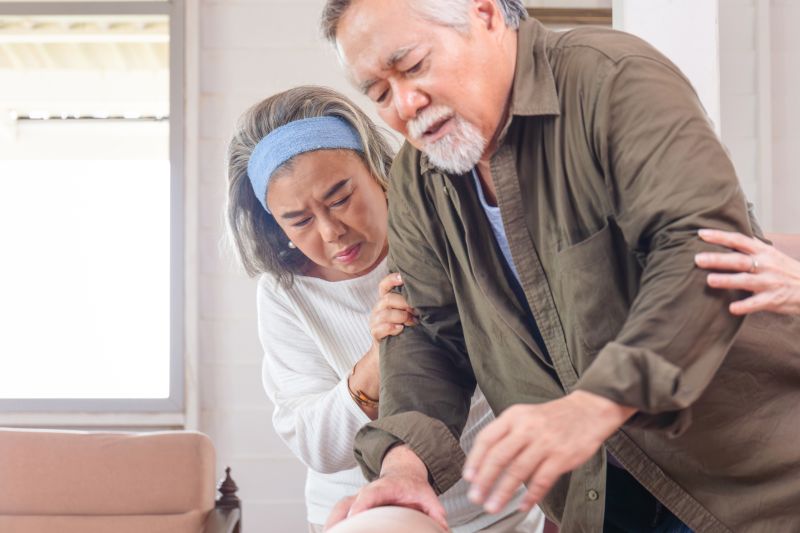
  • Cluttered spaces can increase the risk of falls, especially in older adults.
  • Mold and pest infestations can affect the person’s physical health, as well as the community. For example, some pests can transmit diseases and cause the spread of illnesses.
  • Clutter can result in fires.
  • Hoarding can result in shame and social isolation, affecting the emotional and mental well-being of the individual.

Why “Just Clean It Up” Doesn’t Work

Effective support focuses not just on the belongings, but on the person. One of the biggest misunderstandings about hoarding is that it can be solved by simply throwing things away and cleaning the space. In reality, forced or sudden decluttering often causes intense distress and can make the problem worse. When the underlying thoughts and emotions aren’t addressed, clutter usually returns. Sometimes, hoarding can become more severe than before.

Approaches to Help and Healing

Therapy

Behavioral Health approaches tailored to hoarding can help individuals better understand their beliefs about possessions. Addressing the reasons why someone has HD is important in addressing the root cause of the issue.

Gradual Decluttering

Small, manageable steps can reduce overwhelm and build confidence that there is a solution.

Compassionate Support

Family and friends who listen without judgment can make a powerful difference.

Professional Help

Trained therapists, social workers, or professional organizers experienced with hoarding disorders can provide assistance, structure and safety.

How to Support Someone Who Hoards

If you care about someone who struggles with hoarding, patience and empathy are key. Avoid shaming language, ultimatums, or cleaning up without consent.

Instead, focus on making the individual feel safe, and listen to their concerns and fears. Provide assistance, take things a step at a time, and celebrate small victories. Remind them that they are not alone—you are there to help, and you can seek the help of professionals and community resources. Remember that trust is essential, and change happens at the person’s own pace.


For CenterLight Healthcare PACE Participants and Caregivers

If you or your loved one is affected by HD, contact your social worker or speak with a member of the CenterLight Healthcare Program of All-Inclusive Care for the Elderly (PACE) care team. We provide supportive social work services and referrals to behavioral health management to participants as needed.


A Message of Compassion

It is important to bear in mind that hoarding is not a moral failing. It is often rooted in emotional and mental health. With understanding, support, and compassion, people who hoard can make meaningful progress. By shifting the conversation from judgment to empathy, we open the door to real help and real hope.

CenterLight Healthcare PACE se compromete a proporcionar información precisa relacionada con la salud para ayudar a las personas a vivir bien, mantenerse sanas y tomar decisiones bien informadas sobre la atención sanitaria. La información contenida en este material es estrictamente educativa. Recomendamos a los usuarios que consulten con su proveedor médico acerca de su atención.


About the Author

This blog post is written by Kim Sodano, LCSW, LNHA, Director of Social Work at CenterLight Healthcare PACE.

In her own words:

"I became a social worker to make a positive impact toward social change. Being an advocate for individuals and communities while witnessing resilience and transformation is extremely rewarding."


Fuentes:

What Is Hoarding Disorder? Symptoms, Causes, and Evidence-Based Care, Anxiety and Depression Association of America https://adaa.org/understanding-anxiety/what-is-hoarding-disorder

United States Census https://www.census.gov/popclock/

Age-specific prevalence of hoarding and obsessive compulsive disorder: a population-based study, National Library of Medicine https://pmc.ncbi.nlm.nih.gov/articles/PMC5316500/

The Consequences of Clutter https://www.aging.senate.gov/imo/media/doc/the_consequences_of_clutter.pdf

Hoarding Behavior in the Elderly: A Comparison Between Community-Dwelling Persons and Nursing Home Residents https://www.sciencedirect.com/science/article/pii/S1041610224045009?

H3329 Blog_NoPOInfo_Hoarding
Updated January 20, 2026

How CenterLight PACE Supported Diosmary’s Family Through Palliative Care

< ver todas las entradas del blog

Diosmary cared for her aging parents, who were both participants of CenterLight Healthcare Program of All-Inclusive Care for the Elderly (PACE). Her mother passed away in 2014, and her father passed away in October 2025. Before her father's passing, he enrolled in the Palliative Care program due to illness. Diosmary shared how the CenterLight PACE Palliative Care team's support helped her navigate the challenges of caring for her father.

CenterLight fue una mano perfecta. Estos centros son muy importantes para poder cuidar tus familias.

Palliative Care, and the medical specialty of Palliative Care Medicine, provides relief from the symptoms and stress of a serious illness. The goal is to improve the quality of life for the participant and their family.

Diosmary's father enrolled in Palliative Care in 2024. She expressed that a significant aspect of her experience was the reassurance of not being alone.

Me ayudaron emocionalmente, me ayudaron con equipos y me ayudaron con todo lo que necesitaba en la casa. Se comunicaban con los médicos que yo no podía hacerlo fácil.

The Palliative Care team consists of doctors, nurses, and social workers who work together to provide an extra layer of support. She highlighted Nicole Pena, the social worker on the Palliative Care Team, who was her primary contact.

Nicole, yo siempre le llamaba. Siempre que yo le llamaba, me respondía y me ayudaba.

Diosmary emphasized the importance of easy communication with the care team, noting that it was essential to her experience. She also highlighted Weiyi Pan, a Palliative Care nurse,

and the support she gave. The discussions regarding her father's concerns and treatment options allowed Diosmary to feel more involved and informed throughout the caregiving process.

Cuando necesitaba la enfermera, ella hacía lo que fuera para llegar a mi casa. Hablar conmigo y a explicarme. Y me lo hizo bien… Me enseñó bien cómo usar los medicamentos, cómo usar el oxígeno, cómo usar todo eso. Pero no fue fácil.

This compassionate care not only supported her father's needs but also comforted Diosmary as she navigated her own emotions and responsibilities.

Primero, gracias a Dios; después, gracias a todas las ayudas que he podido tener.

Diosmary's experience is a powerful testament to the benefits of Palliative Care. It reinforces the importance of ensuring that families receive compassionate support as they care for their loved ones during serious illnesses. If you or someone you know may benefit from Palliative Care, please speak to your primary care physician, nurse, or social worker. If you have questions, please call us at 1-833-CL-CARES (TTY 711), 8 AM-8 PM, Monday-Friday.

H3329 NoPOInfo PalliativeCaregiverTestimonial
Last Updated January 6, 2025

Staying Safe This Winter: Simple Tips to Prevent Falls

< ver todas las entradas del blog

Winter can be a beautiful season, but it also brings challenges—especially when it comes to staying steady on your feet. Cold temperatures, icy surfaces, and bulky clothing can increase the risk of slips and falls. With a few practical steps, you can enjoy winter while staying safe and confident.

Why Winter Increases Fall Risk

During winter months, falls are more common due to:

  • Ice and snow on walkways
  • Wet floors due to rain or snow
  • Reduced daylight and visibility
  • Stiff joints and muscles in cold weather
  • Wearing heavier or unfamiliar footwear

The good news is that many falls are preventable with awareness and preparation.

Stay Steady Outdoors

When going outside during winter, keep the following in mind:

  • Wear supportive, non-slip shoes with good traction. Avoid smooth soles.
  • Take small, slow steps and allow extra time to get where you’re going.
  • Use handrails whenever available, especially on steps and ramps.
  • Watch for black ice, which can be very dangerous and hard to see.
  • Consider using a cane or walker if recommended—it provides extra stability.

If conditions are icy and unsafe, it’s okay to stay indoors and ask for help when possible.

Keep Your Home Fall-Proof

Simple changes at home can greatly reduce your risk of falling:

  • Keep floors dry and clutter-free.
  • Remove loose rugs or secure them with non-slip backing.
  • Ensure good lighting, especially in hallways and bathrooms. Night lights can also help.
  • Wear non-slip socks or shoes indoors.
  • Use grab bars in the bathroom if available.

Keep Moving—Safely

Staying active helps maintain strength, balance, and flexibility, even in winter.

  • Continue with your rehabilitation exercises as advised by your physical or occupational therapist. Consult a rehabilitation therapist or medical professional to find out what exercise is right for you.
  • Gentle stretching helps reduce stiffness caused by cold weather.
  • Let your rehabilitation therapist or medical professional know if you feel weaker, dizzy, or unsteady.

Strong muscles and good balance are some of the best defenses against falls.

Dress for Safety and Warmth

  • Wear layers to stay warm without restricting movement.
  • Avoid long coats, scarves, or pants that may drag on the ground and cause you to trip.
  • Keep hands warm with gloves to maintain a good grip on rails or walking aids.

Listen to Your Body

Falls often happen when we’re in a hurry. If you feel tired, dizzy, or unsteady:

  • Stop and rest.
  • Sit down if needed.
  • Don’t rush, especially when standing up from a chair or bed.

For CenterLight Healthcare PACE Participants

We're Here to Help

At CenterLight Healthcare Program of All-Inclusive Care for the Elderly (PACE), our participants' safety and independence are our priority. Please talk to your Rehabilitation Team if:

  • You’ve had a recent fall or near-fall.
  • You feel less confident walking.
  • You’d like help reviewing your home safety or walking aids.

Your safety matters to us, and small changes can make a big difference.


Final Thought

Winter doesn’t have to limit your independence. By staying aware, prepared, and supported, you can move through the season with confidence and peace of mind.

Stay safe, stay warm, and remember that you are not alone.

CenterLight Healthcare PACE se compromete a proporcionar información precisa relacionada con la salud para ayudar a las personas a vivir bien, mantenerse sanas y tomar decisiones bien informadas sobre la atención sanitaria. La información contenida en este material es estrictamente educativa. Recomendamos a los usuarios que consulten con su proveedor médico acerca de su atención.


About the Author

This blog post is written by Tatyana Brisman, PT, Regional Rehabilitation Manager at CenterLight Healthcare PACE. Tatyana celebrated her 20th year of working at CenterLight in 2025.

In her own words:

"Over the years, my responsibilities have evolved, but my mission has remained the same: to ensure our participants are safe in their communities by providing high quality care and being a supportive, collaborative member of the care team. Being a Physical Therapist is more than just a job—it’s a calling. And I’m grateful every day to be part of a field that makes such a difference in people's lives."


Source: Geriatric Winter Falls: When a Simple Bump on the Ice Can be Serious, Mayo Clinic

H3329 Blog_NoPOInfo_WinterFallTips2026
Updated January 8, 2026

Start the Year Strong: Prioritize Preventive Care for Yourself and Your Loved Ones in 2026

< ver todas las entradas del blog

As we age, our healthcare needs often become more complex, making preventive care increasingly important. For older adults, staying proactive about health can lead to a more vibrant and independent life. Start 2026 right and make wellness your goal – not only for yourself, but for those who love and care about you!

What is Preventive Care?

The goal of preventive care is to identify potential health issues early to prevent them from getting worse. This involves regular check-ups and screenings, vaccinations, and making lifestyle choices that can help prevent illness and support healthy aging.


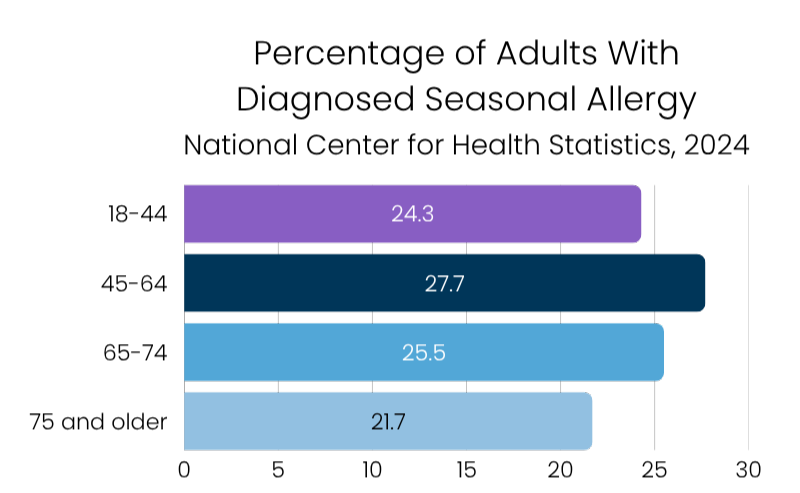
At CenterLight Healthcare Program of All-Inclusive Care for the Elderly (PACE), our goal is to catch problems early or help prevent them altogether, so that our participants can avoid unnecessary hospital stays and remain living in their own home and communities for as long as possible. The importance of Preventive Care is illustrated by the average emergency department visit and hospital admission rates in our participants compared to the nationwide rate:


In general, Preventive Care includes:

  • Regular visits to your primary care provider and annual physical exams can facilitate early detection of issues such as high blood pressure, diabetes, heart disease, and other chronic diseases.
  • Recommended screenings include cholesterol, cancer (such as colon, breast, and prostate), blood pressure, osteoporosis, vision, and hearing tests.
  • Regular dental visits.
  • Immunizations like the flu shot, shingles vaccine, pneumococcal vaccine, and COVID-19 boosters help prevent serious illnesses that can be especially dangerous for older adults.
  • Screening for depression, anxiety, and cognitive decline is crucial for emotional well-being and social engagement.
  • Regular medication reviews ensure what you are taking is still appropriate for your current condition and help prevent harmful drug interactions or side effects.

Taking care of your own wellness is one of the best gifts you can give yourself and ease your loved ones’ worries. In addition, remind your family and friends about the importance of preventive care to ensure that they, too, can avoid health problems.

A balanced diet rich in fruits, vegetables, whole grains, lean proteins, and healthy fats supports your immune system and energy levels. CenterLight Healthcare PACE participants can consult their dietitian, who will help determine a meal plan that is right for them.

Regular exercise, such as walking, Taichi, or yoga can improve mobility, balance, and heart health. Even gentle activities can make a big difference. If you are a CenterLight Healthcare PACE participant, you can attend the PACE center to join engaging activities including exercise groups, speak with your Physical and Occupational Therapists, and attend the open gym.

Connecting with friends, family, and community groups can help maintain emotional health and reduce feelings of isolation. CenterLight participants can enjoy more than 100 activities at the PACE center each month, designed according to their cultural and individual preferences.

Restful sleep can improve memory, mood, and overall health. Speak with your medical provider if you are having issues such as insomnia.

Overcoming Barriers to Preventive Care

Older adults may face challenges such as transportation, limited movement, financial constraints, or lack of awareness about available services. Family members, caregivers, and community organizations can play a vital role in helping them access preventive care.

If you are a CenterLight Healthcare PACE participant, remember that you have access to transportation to and from your medical appointments and the PACE center. See your medical provider regularly. In addition, your care team, made up of doctors, nurses, physical and occupational therapists, social workers, dietitians, and therapeutic recreation specialists, among others, will schedule assessments every six months to ensure that your care plan is up to date. Notify your care team regarding any change in condition so that we can help right away.

In conclusion...

Preventive care is a cornerstone of healthy aging. By staying informed, attending regular check-ups, and embracing healthy habits, older adults can enjoy a higher quality of life. If you or your loved ones are unsure where to start, consult a healthcare provider to develop a personalized preventive care plan. Small steps today can lead to big benefits tomorrow.

CenterLight Healthcare PACE se compromete a proporcionar información precisa relacionada con la salud para ayudar a las personas a vivir bien, mantenerse sanas y tomar decisiones bien informadas sobre la atención sanitaria. La información contenida en este material es estrictamente educativa. Recomendamos a los usuarios que consulten con su proveedor médico acerca de su atención.


About the Author

Patricia Connelly serves as Chief Operations Officer at CenterLight Healthcare. Inspired by her mother who is a retired registered nurse, Patty built her career around a passion for caring for others. When asked what she enjoys most about working in healthcare, Patty shares that engaging with the participants who rely on CenterLight for their care is the most rewarding and fulfilling part of her role. “It is inspiring to hear their stories and to know that we make a meaningful difference in their lives,” she says.


Fuentes:

National Center for Health Statistics | The Commonwealth Fund

CenterLight data obtained through monthly Quality Performance Improvement measures.

H3329 Blog_NoPOInfo_PreventiveCare2026
Updated January 5, 2026

Helping Minimize Loneliness and Social Isolation in the Winter

< ver todas las entradas del blog

Winter in New York can be beautiful -- but this time of year can also increase social isolation and intensify feelings of loneliness, especially in older adults. Changes in their health can make it harder to connect with others, especially when shorter days, harsh weather, and icy conditions limit their ability to go out and interact with others. In addition, distance from family may lead to emotional isolation.

According to the Center for Disease Control and Prevention (CDC), about 1 in 3 adults in the United States report feeling lonely, and about 1 in 4 adults report not having social and emotional support.

But there's good news: with awareness and proactive support, older adults can enjoy being more connected, not only during the winter months, but every day.

Preventing Social Isolation

1. Encourage Regular Social Interaction

Meaningful connection doesn’t always require large gatherings. Small gestures can make a big difference, helping older adults feel remembered. Consistent phone and video calls, and even cards and letters, can help ease loneliness this time of year. Schedule a visit, and encourage your loved one to speak with friends and neighbors.

2. Help Them Join Community Activities

Community centers, senior programs, faith groups, and recreation programs often host events that promote social engagement and give older adults a sense of belonging.

CenterLight Healthcare Program of All-Inclusive Care for the Elderly (PACE) participants have access to our PACE centers, where they can enjoy activities with their peers, nutritious meals, and more than 100 other activities per month, designed according to their cultural and personal preferences.

3. Support Hobbies and Creative Outlets

Participating in enjoyable activities such as arts and crafts, painting, sing-alongs, and games boosts mood and encourages interaction. Hobbies can create natural opportunities to socialize while supporting emotional wellness.

4. Encourage Daily Exercise

According to the Mayo Clinic, regular exercise may help ease depression and anxiety by releasing feel-good endorphins and taking someone's mind off worries. Even small amounts of physical activity, such as being active for 10 to 15 minute intervals during the day can make a positive impact.

5. Make Transportation Accessible

A major barrier to social connection is simply getting from place to place. In the winter, this is made worse by icy walkways and roads and harsh weather. CenterLight PACE participants have access to transportation to and from their medical appointments, as well as CenterLight PACE centers. In general, older adults in the community may be able to minimize feeling unsafe or dependent on others through community shuttle services and senior transportation programs.

6. Look After Emotional Health

Emotional needs are especially important. Families and caregivers can:

  • Ask questions about how the older adult is feeling.
  • Help the older adult join support groups, where they can interact with like-minded peers.
  • Encourage their loved one to seek professional help if signs of anxiety or depression appear.
  • Provide companionship and support.

By taking intentional steps to support older adults through communication, community, meaningful activities, accessible transportation, and emotional care, we can help older adults feel more connected and supported.


Esta entrada del blog ha sido escrita por:

Kathleen Keegan, Directora de Recreación Terapéutica de CenterLight Healthcare PACE

Kimberly Sodano, LCSW, Directora de Trabajo Social en CenterLight Healthcare PACE

Sources:

Health Effects of Social Isolation and Loneliness, Center for Disease Control and Prevention, May 2024

Depression and Anxiety: Exercise Eases Symptoms, Mayo Clinic

H3329 NoPOInfo SocialIsolationWinter blog
Updated December 22, 2025

CenterLight is what I call “home away from home”

< ver todas las entradas del blog

CenterLight Healthcare Program of All-Inclusive Care for the Elderly (PACE) participant Alice has been enrolled since 2010. In her own words: "When I came here, I couldn't even walk much or do much of anything. But...being with the staff at CenterLight, meeting the other people, it gave me courage to do things." 

View Alice's full testimonial below:

H3329 NoPOInfo AliceTestimonial
Last Updated December 26, 2025

Winter Safety for Older Adults

< ver todas las entradas del blog

As winter settles over New York State, older adults face unique challenges that can make the colder months more difficult, and sometimes more dangerous. From icy sidewalks and frigid temperatures to unpredictable storms, staying safe requires preparation and awareness. In this blog, CenterLight Healthcare Program of All-Inclusive Care for the Elderly (PACE) Vice President of Clinical Operations Heather Ogando, MD, walks us through essential winter safety tips tailored for older New Yorkers to help you or your loved ones stay warm and healthy all season long.

Changes that come with aging can make it more difficult for older adults during cold weather. According to the National Institute on Aging, the following conditions can make it harder for them to stay warm:

  • Diabetes can prevent blood from flowing normally to provide warmth.
  • Thyroid problems can affect the body’s ability to maintain a normal body temperature.
  • Conditions such as Parkinson’s Disease and arthritis can affect movement and make it challenging to put on layers of clothes, use a blanket, or get out of the cold.
  • Memory issues can cause a person to forget to take precautions for staying weather-safe, such as wearing appropriate attire.

If you are taking medications, speak with your medical provider to find out if any of them can affect how you deal with the cold. Make sure that you tell your medical provider about all your medications, including over-the-counter (OTC). Having all the information can help them determine any interactions, how your treatment may be affecting you, and advise you on the appropriate course of action.

Plan Ahead!

It is important that you prepare for winter weather. The Center for Disease Control and Prevention (CDC) lists the following items that you can include in your emergency supplies list:

  • An alternate way to heat your home during a power failure, and a list of resources where you can go to keep warm.
  • Electric space heater with automatic shut-off switch and non-glowing elements
  • Furnace fuel
  • Blankets
  • Matches
  • Multipurpose, dry-chemical fire extinguisher
  • Flashlight or battery-powered lantern
  • First aid kit
  • Appropriate supply of medications
  • Battery-powered radio
  • Battery-powered clock or watch
  • Extra batteries
  • Rock salt

Here are other helpful tips to prepare for cold weather:

If you or a loved one are over 65 years old, place an easy-to-read thermometer in an indoor location where you will see it frequently. Our ability to feel a change in temperature decreases with age. Older adults are more susceptible to health problems caused by cold. Check the temperature of your home often during the winter months.*

With extreme cold temperatures, water pipes can freeze in your home. Keep a water supply to ensure you have enough, especially in cases of winter storms that last more than a day.

Your diet is also an important factor that can help you stay warm. Consult your dietitian regarding a well-balanced meal plan for the winter. Remember that caffeinated beverages and alcohol can also cause your body to lose heat faster.

Dress appropriately for the weather. If you are leaving the house, wear a thick coat, hat, scarf, and gloves. If you are going out, remember that winter conditions can increase the likelihood of falls. Click here for tips on how to prevent falls during the winter season.

For CenterLight PACE Participants

CenterLight Healthcare PACE participants are encouraged to speak with members of their care team to ensure that they can deal with extreme winter weather. Participants may also attend the CenterLight PACE Centers during their hours of operation to keep out of the cold by enjoying fun activities, nutritious meals, and access to open gym. To find out the schedule for your site or to schedule your attendance, please call 1-833-252-2737 (TTY 711), 8AM-8PM Monday-Friday.

CenterLight Healthcare PACE se compromete a proporcionar información precisa relacionada con la salud para ayudar a las personas a vivir bien, mantenerse sanas y tomar decisiones bien informadas sobre la atención sanitaria. La información contenida en este material es estrictamente educativa. Recomendamos a los usuarios que consulten con su proveedor médico acerca de su atención.


This blog post is written by Heather Ogando, MD, Vice President of Clinical Operations at CenterLight Healthcare PACE.


Fuentes:

*Preparing for a Winter Storm, Center for Disease Control and Prevention, February 7, 2024

Extreme Cold: A Prevention Guide to Promote Your Personal Health and Safety, Center for Disease and Control and Prevention

Cold Weather Safety for Older Adults, National Institute on Aging

H3329 Blog_NoPOInfo_ColdWeatherSafety
Updated December 9, 2025

Palliative Care

< ver todas las entradas del blog

Why it's important when you or a loved one is facing serious illness

Palliative Care, and the medical specialty of Palliative Care Medicine, provides relief from the symptoms and stress of a serious illness. The goal is to improve quality of life for both you and your family.

You Are Not Alone

Palliative Care is provided by doctors, nurses and social workers who work together with patients' other doctors to provide an extra layer of support. It is appropriate at any age and any stage in a serious illness, and it can be provided along with curative treatment.

What to Expect

At CenterLight Healthcare Program of All-Inclusive Care for the Elderly (PACE), qualified participants will receive care from an Interdisciplinary Team, which includes, but is not limited to physicians, nurses, social workers, and rehabilitation and recreation therapists. Together with your doctor, we make sure that you receive:

Relief from symptoms including pain, shortness of breath, fatigue, constipation, nausea, loss of appetite, numbness, problems with sleep and much more.

Improved ability to tolerate medical treatments and the side effects of the disease.

Coordination of care among all of your health care providers.

In-depth communication with you and your family about your goals, concerns, and treatment options.

Improved ability to carry on with daily life.

Emotional, practical, and spiritual support for you and your family.

Begin Palliative Care Early

Palliative care can occur at the same time as all other treatments for your illness. There's no reason to wait. In fact, some studies* have shown that palliative care may extend life. Pain and other symptoms affect your quality of life, and stress can have a big impact on your family. Unlike with hospice, your care team will remain the same, your home care hours will be based on need, and you can receive physical or occupational therapy and/or dietary services as needed.**

You may already have been referred for palliative care services. If you would like more information, speak to your primary care physician, nurse or social worker. If you have questions, please call us at 1-833-CL-CARES (TTY 711), 8AM-8PM, Monday-Friday.

CenterLight Healthcare PACE se compromete a proporcionar información precisa relacionada con la salud para ayudar a las personas a vivir bien, mantenerse sanas y tomar decisiones bien informadas sobre la atención sanitaria. La información contenida en este material es estrictamente educativa. Recomendamos a los usuarios que consulten con su proveedor médico acerca de su atención.

H3329 Blog_NoPOInfo_Palliative Care
Updated November 12, 2025

Source: Center to Advance Palliative Care
*Example: Tulane University Study, 2019 | **As determined by the Interdisciplinary Team.

Meet CenterLight PACE Participant Angel Rincon

< ver todas las entradas del blog

Meet CenterLight PACE participant Angel Rincon, who enrolled in our program on July 1, 2022. For the past three years, Angel has been attending the Flushing Day Health Center, where he has rediscovered joy and purpose in life through CenterLight PACE.

“When I found CenterLight, it changed my life so much.” – Angel Rincon

H3329 NoPOInfo_AngelTestimonial
Updated November 17, 2025

Our Very Own Painting Guru

< ver todas las entradas del blog

Celebrating 25 Years of Making a Difference Through Therapeutic Recreation

Michelle Van Etten, Therapeutic Recreation Specialist (TRS) at CenterLight Healthcare Program of All-Inclusive Care for the Elderly (PACE), is celebrating 25 years at the organization in 2025. We spoke to Michelle about her commitment to CenterLight participants and to making a difference in their lives.

What inspired you to choose a career in healthcare, specifically in therapeutic recreation?

Growing up, I was always interested in recreation, crafts, and being creative. As a teenager, I worked as a camp counselor and later with an organization which supported people with disabilities. I loved taking them on trips and engaging them in activities. I originally planned on going to college for occupational therapy before I discovered Therapeutic Recreation.

How did you first start your journey at CenterLight?

After working in assisted living and nursing homes, I realized I wanted something different. In those settings, I often felt unfulfilled leaving at the end of the day because the patients stayed behind.

Then I came across CenterLight in 2000, I had only been out of school about a year. I immediately loved the concept and mission: keeping participants in their homes while still offering a place where they could socialize, eat meals, and take part in activities. It reminded me of a school for older adults, with a day full of programs and then the comfort of returning home afterward.

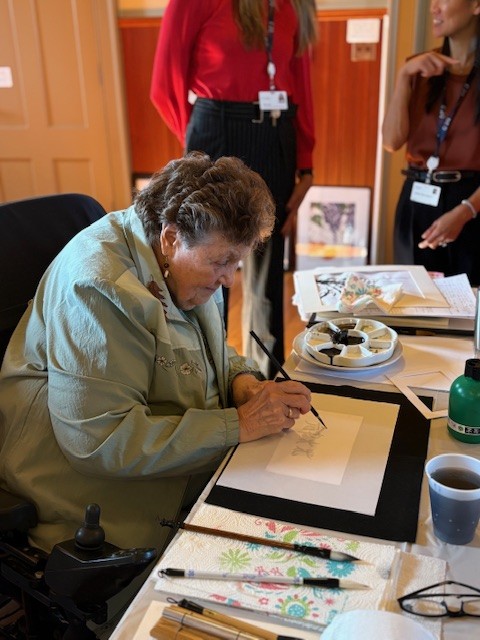
That’s also when I started the painting group. A few participants were looking for something new, and since I’ve always loved art, I introduced it. They quickly embraced it, and it’s grown into a central part of my work ever since.

Can you walk us through a typical day in your life as a TRS?

I like to greet every participant individually. It’s important to me to connect personally. After breakfast, we begin morning activities. Sometimes that’s the painting group in our dedicated art room, which makes participants feel special, like true artists with their own studio.

Afternoons might include entertainment, adaptive sports, trivia, bingo, or word games. We make sure there’s variety so everyone has something they enjoy. Beyond activities, we’re also part of the care team. Participants often come to us with concerns, and since we spend so much time with them, we help triage and connect them with the right support.

What do you consider the most rewarding aspect of your job as a TRS?

Seeing participants build confidence. So many came in saying, “I can’t paint,” and then they surprise themselves. I’d start simple like holding a brush, dabbing paint, drawing a heart and watch their skills grow. The joy and pride they feel in their work is the most rewarding part.

Some participants even shared that when they were younger, opportunities like this weren’t available to them, especially for women. So being able to give them this chance now means a lot.

Share a memorable story involving a participant that has stuck with you throughout your career.

During COVID, I started virtual painting sessions. I FaceTimed with participants and we had supplies sent to their homes. Even though we were apart, we could still paint together. That experience reminded me how important creativity and connection are, and it’s one of my favorite memories.

After 25 years of working at CenterLight, what continues to connect you with the organization's mission?

The appreciation, kindness, and thoughtfulness of the participants when I see them. They make me happy--they've become like part of my family.

I also have had so much support from my managers and my department. Anytime I've had an idea or wanted to try something new for the participants, they work with me to make it happen.

What is your personal mission as a TRS?

I want to help each participant reach their full capability with their creativity and art skills. I want to bring everybody up, from being a beginner to where they could say, "I'm really an artist!" It is my goal to do this for as many participants as possible.

H3329 Blog_NoPOInfo_Michelle
Last updated October 15, 2025

Celebrating Culture and Connection: Ayesha’s Journey at CenterLight’s South Asian Cultural Center

< ver todas las entradas del blog

For Ayesha Siddiqua, a PACE participant who attends the CenterLight South Asian Cultural Center, every visit feels like coming home. Since enrolling in the Program of All-Inclusive Care for the Elderly (PACE) in early 2023, she has found not just care and support, but a community that honors the traditions closest to her heart. Through CenterLight, Ayesha has discovered that cultural celebration can be a powerful bridge — connecting her past in Bangladesh to her present life in New York.

As a proud Bengali participant, Ayesha shared the holidays that hold deep significance in her life: Victory Day, National Day, Bangladesh Day, Mourning Day, and Pohela Boishakh — the Bengali New Year. Victory Day, celebrated on December 16, marks Bangladesh’s independence after the 1971 Liberation War. At the CenterLight South Asian Cultural Center, participants honor this day by dressing in cultural attire and sharing stories about Bangladesh’s history and resilience. National Day on March 26 commemorates the country’s declaration of independence. Ayesha enjoys the festive gathering, where the national anthem is sung and participants come together to celebrate their heritage.

Participants at CenterLight’s South Asian Cultural Center bring the space to life with their vibrant voices, whether they’re singing, storytelling or speaking into the microphone. On Bangladesh Day, this lively, communal energy fills the room as stories, songs, and laughter are shared. The spirit of celebration extends beyond the participants: Therapeutic Recreation Specialists and staff join in by dressing in traditional saris, creating a shared experience that honors both heritage and community.

Mourning Day, observed on August 15, is a day of reflection to honor the assassination of Bangladesh’s founding leader. On this day, Ayesha and fellow participants wear black as a tribute to their homeland and history. In contrast, Pohela Boishakh, the Bengali New Year, brings joy and renewal. Traditionally marked with music, dance, and colorful clothing, it is a time to celebrate life’s new beginnings. At CenterLight, Ayesha and her friends enjoy vibrant artwork and activities that capture the energy and spirit of this holiday.

Ayesha reflects on how meaningful these celebrations have been at CenterLight: “In this country, we are not living with our own country’s people, but when I come to CenterLight I feel like I’m with my own country’s people. When we celebrate, I do not feel alone. I feel like everything is here. I am proud of CenterLight; they give me everything for my own enjoyment.”

Through these cultural celebrations, the Therapeutic Recreation Team at CenterLight’s South Asian Cultural Center helps participants like Ayesha feel connected to their roots while creating opportunities for cross-cultural learning and community. Each holiday is more than a date on the calendar — it’s a way for participants to honor their heritage, share their stories, and experience joy together.

About CenterLight’s South Asian Cultural Center

PACE Centers provide primary care, including physician and nursing services; social services; restorative therapies, including physical therapy and occupational therapy; personal care and supportive services; nutritional services; nutritional counseling; recreational therapy and meals. CenterLight also has Alternative Care Settings (ACS), like the South Asian Cultural Center in Jamaica, Queens, which are an option for participants who prefer a smaller, more intimate setting to receive on-site socialization, social services, personal care services, therapeutic recreation and meals. Other center-based services, such as primary care physician services, nursing and rehabilitation are offered at our PACE Centers.

H3329 BlogAyesha_noPOInfo
Updated 10292025

The Power of Proper Nutrition

< ver todas las entradas del blog

Regardless of your age, good nutrition has a huge impact on health. But as we get older, what we eat is even more essential, because it can help prevent many of the common health conditions that afflict seniors. Here are just a few of the ways that proper nutrition can help older adults treat and prevent illness, and enhance their overall quality of life.

High Blood Pressure Management

High Blood Pressure is a leading risk factor for stroke, heart disease, dementia, and many other health issues that impact older adults. While medication is important, proper nutrition – including a diet high in fruits and vegetables, and
low in sodium and sugar – can also make a real difference.

Diabetes Management

Beyond medication, proper diet can help control diabetes, and help prevent the potential complications it can cause, such as cardiovascular disease and cancer.

Weight Maintenance

Many older adults become thin, frail, and susceptible to illnesses and infections. A healthy diet is essential for keeping the body strong and to maintain a healthy immune system.

Obesity Prevention

Since obesity contributes to arthritis, diabetes and heart conditions, maintaining a healthy weight is important for seniors. Getting guidance from a nutrition professional can help seniors lose weight.

To download a copy of this educational material, please click here.

CenterLight Healthcare PACE se compromete a proporcionar información precisa relacionada con la salud para ayudar a las personas a vivir bien, mantenerse sanas y tomar decisiones bien informadas sobre la atención sanitaria. La información contenida en este material es estrictamente educativa. Recomendamos a los usuarios que consulten con su proveedor médico acerca de su atención.

H3329 Blog_NoPOInfo_PowerOfNutrition
Updated September 23, 2025

Meet CenterLight PACE participant Pablo Soriano | How CenterLight Helps Pablo Keep His Baseball Spirit Alive

< ver todas las entradas del blog

Once in love with baseball, always in love with baseball! According to his daughter, Nurys Wright, her father, CenterLight Healthcare Program of All-Inclusive Care for the Elderly (PACE) participant Pablo Soriano, fell in love with the sport at the age of five, which is the typical starting age in the Dominican Republic. On the field, he is known as “El Zurdo,” Spanish for “left-handed.” There was no doubt he stood out in the field when he was able to pitch an 88-mph ball. In the Dominican Republic, it is known as “tirando piedras” or “throwing stones” in English, which means he threw the ball with force. This impressive skill enabled him to go through many games without allowing a single run to score against him.

Throughout the 1960s and 70s, Pablo traveled to Puerto Rico, Panama, Venezuela, and other South American countries for baseball. His daughter recalls how her father had the incredible opportunity to meet and play alongside the legendary Roberto Clemente. In fact, he even stayed at Clemente’s house in Puerto Rico. Nurys shares that Clemente recognized Pablo’s talent and was in the process of recommending him for the big leagues before his passing. Pablo continued to play in local teams in the Dominican Republic during the 1980s.

Pablo immigrated to New York City in 1991. He joined an all-timers league in his fifties, continuing to play until he retired in 2005. As a proud father of five, including four daughters and one son, he enjoys sharing his love for baseball with his family. Nurys mentions that he never misses a game, whether it is the Yankees or the Mets. Watching baseball is his favorite pastime. Pablo says with pride, “¡Yo soy pelotero!”  when he gets to tell his story, Spanish for “I’m a baseball player!”

This centuries-old sport plays such an integral part in Pablo’s life, and he can still find joy in it. Thanks to our Therapeutic Recreation team here at CenterLight Healthcare PACE, they understand the importance of individual interests among our participants and work to create meaningful experiences for participants like him.  They were able to organize a trip to see a live Mets Game against the Padres at Citi Field. During the game, Pablo sat with his friends, wearing the biggest smile on his face. “Nosotros somos par de fanáticos,” Pablo called out, which translates to “We are a couple of fans.” They cheered on the Mets as they hit multiple home runs! The game ended in a win for the Mets. Pablo left Citi Field feeling grateful and happy to have attended.  His daughter, Nurys Wright, expressed her gratitude to CenterLight PACE for providing her dad with this experience. She says, “I was happy for him. He kept telling me about it every single day since the trip was announced by CenterLight staff, he was so excited. When he came home, he shared with me what happened in every inning.” Pablo Soriano has been a CenterLight PACE participant since 2024. Through these activities, the Therapeutic Recreation Team not only nurtures Pablo’s passion for baseball but also enhances his overall well-being and quality of life.

H3329 BlogPablo_noPOInfo
Updated 09292025

Alimentación sana para un estilo de vida saludable

< ver todas las entradas del blog

Eating right is all about balance. You can enjoy good food if it’s part of your healthy eating plan. The United States Department of Agriculture (USDA) recommends making healthy food and drink choices that:

  • Include fruits, vegetables, grains, proteins, and low fat dairy.
  • Are low in saturated fat, sodium, and added sugars.
  • Are based on the right amount of calories for you based on your age, sex, height, weight, and physical activity level.

According to the USDA, healthy eating helps older adults:

  • Obtain nutrients needed such as potassium, calcium, vitamins D and B12, minerals, and fiber.
  • Manage chronic diseases or reduce the risk of developing high blood pressure, diabetes, heart disease, etc.
  • Lose weight or maintain a healthy weight.
  • Meet individual calorie and nutrition needs and help to maintain energy levels.

It is also important to note that our daily eating habits change as our bodies get older.

  • Add flavor using spices and herbs instead of salt and look for low-sodium food.
  • Add sliced fruits and vegetables to your meals and snacks.
  • Ask your medical provider to suggest other options if the medications you take affect your appetite or change your desire to eat.
  • Drink 3 cups of fat-free or low-fat milk throughout the day.
  • If you cannot tolerate milk, try small amounts of yogurt, buttermilk, hard cheese, or lactose-free food.
  • Drink water instead of sugary drinks.
  • Consume foods fortified with vitamin B12, such as fortified cereals.

You may download a copy of this educational flyer by clicking here.

CenterLight Healthcare PACE se compromete a proporcionar información precisa relacionada con la salud para ayudar a las personas a vivir bien, mantenerse sanas y tomar decisiones bien informadas sobre la atención sanitaria. La información contenida en este material es estrictamente educativa. Recomendamos a los usuarios que consulten con su proveedor médico acerca de su atención.


Fuentes:

H3329 Blog_NoPOInfo_HealthyEating
Updated September 23, 2025

For Providers | Incident Reporting: Staying Compliant with CMS

< ver todas las entradas del blog

As a CenterLight Program of All-Inclusive Care for the Elderly (PACE) provider, your commitment to participant safety and program integrity is essential. One of the most critical tools to ensure that we provide high quality care and meet participants' needs is incident reporting.

In order to ensure positive outcomes for those we serve, you must inform us immediately if you become aware of any change in condition or if there are any incidents that may threaten their health and safety.

The Centers for Medicare and Medicaid Services requires CenterLight Healthcare and other PACE organizations to report incidents that include:

  • Suspected elder abuse, neglect, or exploitation
  • Medication related events such as adverse drug reactions or medication administration errors
  • Injuries or new wounds, including burns and pressure injuries
  • Elopements
  • Falls with or without injury

Incident reporting isn’t just about checking boxes—it’s about protecting lives and improving care. If your protocol is to send a participant to the Emergency Room after a fall, or if there is another valid reason for sending them to the hospital for evaluation, please call CenterLight PACE so that we can be a part of the care coordination. Let’s keep our standards high and our reporting accurate and on time!


This blog post is written by Jocelyn Pappalardo, Director of Quality at CenterLight Healthcare PACE.

H3329 Blog_ForProviders_IncidentReporting
Updated September 10, 2025

Meet CenterLight PACE participant Lillian Ramos

< ver todas las entradas del blog

CenterLight Healthcare Program of All-Inclusive Care for the Elderly (PACE) participant Lillian Ramos has been a CenterLight PACE participant for 17 years. In this video, she shares her experiences and highlights what she loves most about the CenterLight PACE program.

Lillian has been a CenterLight PACE participant for 17 years and is enrolled as a participant at the time of posting.

Approved video: H3329_CL LillianTestimonial Approved 08192025

Exercise at Your Own PACE

< ver todas las entradas del blog

At CenterLight Healthcare Program of All-Inclusive Care for the Elderly (PACE), promoting independence, safety, and overall wellness is at the heart of what we do. One of the offerings that supports this mission is our Open Gym—a space located at each of CenterLight’s 11 PACE centers and is designed specifically for our participants to exercise, rebuild strength, and move at their own pace.

What makes this program truly special? In addition to the Physical Therapy (PT) and Occupational Thereapy (OT) services they receive as part of their care plan, participants can also use the Open Gym whenever it works best for them.* Whether they prefer working out before or after lunch, the gym is open throughout the day* to accommodate their schedule.

What is the Open Gym?

The Open Gym is an in-house fitness and rehabilitation space within the CenterLight PACE centers. It provides access to a range of advanced equipment like:

Participants can use the gym independently on their own time or as part of their personalized care plan, always under the guidance of licensed physical and occupational therapists. The focus is on:

  • Building strength and endurance
  • Improving flexibility and mobility
  • Enhancing transfer skills and balance.

Group Therapy: Healing Together

In addition to PT and OT services, CenterLight PACE supports independent exercises at the open gym. The CenterLight Rehabilitation Team also offers therapist-led group sessions that participants are welcome to attend. These sessions promote:

  • Mobility
  • Emotional health
  • Social engagement.

Participants can choose between joining a group or working out solo in the gym - whatever works best for them.

For CenterLight Participants: Come When You’re Ready

The Open Gym at CenterLight PACE gives you the space, equipment, and support to work out how you want when you want. No waiting, no rigid schedules, just freedom to move on your own terms in a safe, welcoming environment. Please speak to your care team for more information.

*During the PACE center’s operating hours.

CenterLight Healthcare PACE se compromete a proporcionar información precisa relacionada con la salud para ayudar a las personas a vivir bien, mantenerse sanas y tomar decisiones bien informadas sobre la atención sanitaria. La información contenida en este material es estrictamente educativa. Recomendamos a los usuarios que consulten con su proveedor médico acerca de su atención.


This blog post is written by Brian Sidiski, Vice President of Care Delivery Operations at CenterLight Healthcare PACE.

H3329 Blog_OpenGym Approved 07242025
Updated June 24, 2025

Meet CenterLight PACE participant Betty Murray

< ver todas las entradas del blog

CenterLight Healthcare Program of All-Inclusive Care for the Elderly (PACE) participant Betty Murray has been a CenterLight PACE participant for 15 years. In this video, she shares how it's like having a team on her side and speaks about her favorite activity at the CenterLight PACE Center.

Betty has been a CenterLight PACE participant for 15 years and is enrolled as a participant at the time of posting.

Approved video: H3329_CL BettyMurrayTestimonial Approved 07102025

For Providers: Strengthening Care Through Collaboration

< ver todas las entradas del blog

At CenterLight Healthcare Program of All-Inclusive Care for the Elderly (PACE), we believe that high-quality, participant-centered care is only possible through collaboration with our provider network. Our providers play a vital role in ensuring that care is not only compassionate and effective but also compliant with regulatory standards.

As part of our ongoing commitment to excellence in care coordination, regulatory compliance, and health outcomes, we rely on our provider network to submit timely, complete, and accurate medical records. Your diligence in documentation directly supports the delivery of safe, effective, and coordinated care—and it gets results.

Shared Success: Measurable Impact

Thanks to your continued efforts, CenterLight PACE achieved:

  • An 8% reduction in emergency room visits per 1,000 participants
  • A 5% reduction in hospital readmissions

These improvements, recorded from Q1 to Q2 of 2025,* reflect the power of strong provider collaboration and thorough medical documentation. They also ensure we meet key standards set by federal and state agencies, including Centers for Medicare and Medicaid Services (CMS) and New York State Department of Health (NYSDOH).

What to Include in Every Medical Record Submission

As the participant's consulting physician or primary care provider, you play an integral role as a member of their care team. One of our regulatory requirements as a PACE program is to have the CenterLight care team review and update the individualized plan of care minimally on a 6-month basis.

To support this goal, visit notes must be submitted to CenterLight PACE to ensure that our participants' visits to your office become part of their medical record.

Please ensure that each medical record submission includes the following components, when applicable:

  • Plan of Care
  • Nursing and physician progress notes detailing the participant’s response to treatment
  • Specialist evaluations and recommendations
  • Laboratory, radiological, and other test reports
  • Medication records, including medication administration records
  • Physician orders
  • Reports of contact with informal support (e.g., caregiver, legal guardian, or next of kin)
  • Hospital discharge summaries
  • Discharge summary and disenrollment justification
  • Advance directives

Documentation Guidelines

  • Submit medical record documentation monthly
  • Submit documentation after both scheduled and unscheduled assessments
  • Ensure all records are legible, clearly dated, and signed by the responsible clinician
  • Send records to: visitdocumentation@centerlight.org

CenterLight’s staff is HIPAA-trained and committed to upholding strict data privacy and security standards.

Thank you for you for helping us provide high-quality care to those we serve!

Your commitment to thorough documentation and timely communication helps us deliver exceptional care to our participants. Together, we are building a stronger, more responsive care network—one record at a time.


This blog post is written by Jocelyn Pappalardo, Director of Quality at CenterLight Healthcare PACE.

*CenterLight PACE participant data collected by the organization's Quality Department.

H3329 Blog_ForProviders_VisitNotes
Updated July 15, 2025

CenterLight Healthcare tiene un contrato PACE aprobado por los Centros de Servicios de Medicare y Medicaid (CMS) y el Departamento de Salud del Estado de Nueva York (NYSDOH). La inscripción en CenterLight Healthcare PACE depende de la renovación de su contrato con CMS y NYSDOH. Los participantes pueden ser total y personalmente responsables del coste de los servicios no autorizados o acordados fuera del programa PACE. Tras la inscripción, el programa PACE será el único proveedor de servicios del participante. Los participantes tendrán acceso a todos los servicios necesarios identificados por el Equipo Interdisciplinario, pero no a un proveedor específico de estos servicios. Por favor contáctenos para más información.

H3329 CLPACEPágina web aprobada 10222024

El propietario de este sitio web se ha comprometido con la accesibilidad y la inclusión, por favor informe de cualquier problema que encuentre utilizando el formulario de contacto de este sitio web. Este sitio utiliza el plugin WP ADA Compliance Check para mejorar la accesibilidad.