Happiness is Contagious

< ver todas las entradas del blog

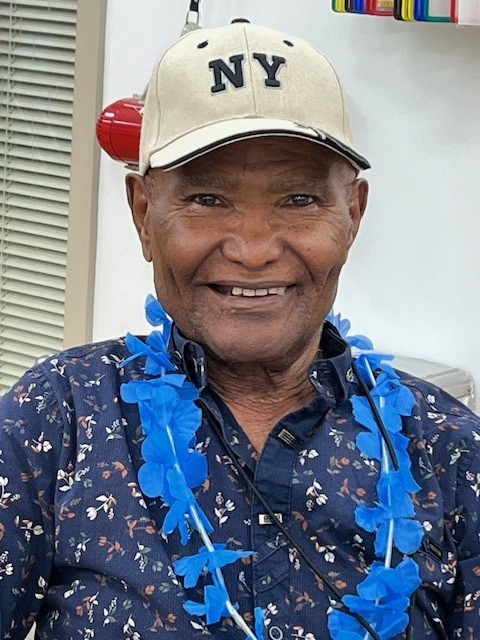
CenterLight PACE participant Feroz enrolled in 2023. In this video, he shares that he waits the whole week to come to CenterLight's South Asian Cultural Alternative Care Setting.

Feroz enrolled at CenterLight Healthcare PACE in 2023 and is a participant at the time of posting.

Approved video: H3329 CL_FerozAhmedTestimonial Approved 05272025

Every Day is a Chance for Adventure

< ver todas las entradas del blog

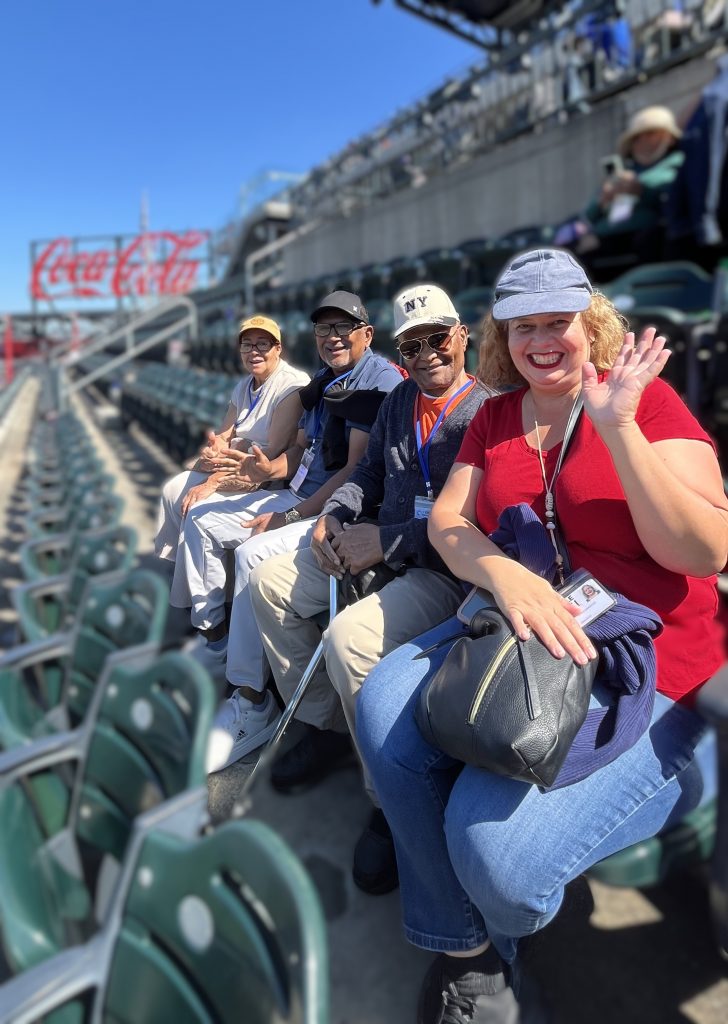
It was a beautiful morning, and CenterLight Healthcare Program of All-Inclusive Care for the Elderly (PACE) Seneca Day Health Center participants were excited for their trip to the aquarium.  It was an opportunity to observe stunning marine creatures in the museum’s breathtaking exhibits.

Meanwhile, participants from our Flushing PACE site are still talking about their day at the Botanical Garden—where they enjoyed perfect weather, fresh air, and colorful scenery. Seneca participants, on the other hand, are looking forward to the next time they reconnect with their inner child and bond with their Flushing peers at Dave and Buster’s; and our Bronx participants are excited for the next time they go on a trip to City Island.

These are just examples of trips CenterLight Healthcare PACE participants enjoy. In addition to more than 100 activities on site each month, we also take them on field trips throughout the year. Whether at the PACE center learning new things, or at fun and educational locations chosen based on their interests, every day is a chance for adventure!

Why are field trips part of CenterLight PACE’s Therapeutic Recreation programming?

Field trips provide a variety of benefits for older adults, including:

  • Opportunities for socialization. When older adults interact and share new experiences with their peers, their risk for social isolation is reduced. Field trips provide opportunities to interact with others, helping improve their wellbeing. In addition, having something to look forward to, like going to a museum with friends, helps promote mental and emotional wellness.
  • New experiences and participating in activities one enjoys can stimulate cognitive function. Whether going to a place they have never been before, learning new things, or discussing new ideas, field trips are a fun way to keep one’s mind sharp.
  • Most field trips can encourage physical activity. For example, walking around a museum of their choice or playing a game provide opportunities for exercise and help with mobility. Taking a stroll at the Botanical Garden, for example, not only encourages movement—it is also a chance to enjoy fresh air.

Diverse Interests, New Possibilities

The CenterLight PACE Therapeutic Recreation (TR) team understands that each participant is unique. TR specialists design activities that consider the diverse cultural backgrounds and varied preferences of those we serve. Field trips aim to bring participants together, offer a chance for adventure, provide shared experiences that they will enjoy, and even introduce them to something new, opening them up to interests they didn’t have before.

Visit our Facebook page to view photos from trips and other events/programs for our participants.


Esta entrada del blog está escrita por Kathleen KeeganDirectora de Servicios Recreativos Terapéuticos de CenterLight Healthcare PACE.

H3329 FieldTripBlog Approved 05272025
Updated 04162025

Ana Rosa: You feel like you’re a queen

< ver todas las entradas del blog

Ana Rosa enrolled at CenterLight Healthcare Program of All-Inclusive Care for the Elderly (PACE) in 2012 after she was discharged from rehabilitation. View the video below to hear her experience at CenterLight PACE in her own words.

Ana Rosa enrolled at CenterLight Healthcare PACE in 2012 and is a participant at the time of posting.

Approved video: H3329 AnaRosaGarciaTestimonial Approved 05272025

Alzheimer’s Disease and Fall Risk: What You Need to Know

< ver todas las entradas del blog

According to the National Library of Medicine, people with Alzheimer’s Disease are twice as likely to fall than those without it.1 Falls can reduce independence, impact quality of life, and in some cases, cause serious injuries. It is important to learn about risks and what we can do to help minimize them.

Why are Falls More Common in Individuals with Alzheimer’s?

  • Cognitive Decline: People with Alzheimer's Disease suffer from memory loss and poor judgement, which make it harder to avoid hazards.
  • Balance and Muscle Weakness: Changes in gait and balance are a common symptom of Alzheimer’s, particularly as the disease progresses. These deficits can contribute to difficulty walking and balancing, which can ultimately lead to falls.2 In addition, Alzheimer's Disease affects coordination and physical strength.
  • Vision Issues: Trouble judging depth and distance leads to missteps.
  • Medication Side Effects: Some drugs prescribed for Alzheimer's Disease may cause dizziness or drowsiness.
  • Early Risk: Falls can occur even before symptoms of Alzheimer’s are obvious or before Alzheimer's Disease is diagnosed.

What are the Consequences?

  • Injuries: Fractures, head trauma, and loss of mobility.
  • Fear of Falling: Leads to inactivity, isolation, and further decline.
  • Stress for Caregivers: Increased responsibilities and emotional strain.
  • Long-Term Impact: Hospital stays or permanent care placement.

How to Help Prevent Falls

Recognizing the connection between cognitive decline and physical vulnerability is the first step in preventing injuries and maintaining independence.

Remember to see your medical provider regularly. They can help recognize early signs and help determine if an individual has Alzheimer's Disease and increased risk of falls.

If an individual is diagnosed with Alzheimer's Disease, caregivers, medical professionals, and family members can work together to:

  • Improve home safety
  • Monitor medication side effects
  • Encourage safe mobility practices
  • Engage in physical therapy and balance exercises

By staying informed and proactive, we can help reduce the risk of falls and improve the overall quality of life for individuals with Alzheimer’s Disease.

CenterLight Healthcare PACE se compromete a proporcionar información precisa relacionada con la salud para ayudar a las personas a vivir bien, mantenerse sanas y tomar decisiones bien informadas sobre la atención sanitaria. La información contenida en este material es estrictamente educativa. Recomendamos a los usuarios que consulten con su proveedor médico acerca de su atención.


Este artículo fue escrito por Tatyana Brisman, PT, Gerente Regional de Rehabilitación de CenterLight Healthcare PACE.


Fuentes:

1 Falls and Alzheimer's Disease, National Library of Medicine

2 The Correlation Between Alzheimer's and Frequent Falls, Altoida

H3329 Blog_NoPOInfo_AlzheimersAndFalls
Updated May 7, 2025

Being a Physical Therapist is more than just a job—it’s a calling.

< ver todas las entradas del blog

Tatyana Brisman, PT, is celebrating her 20th year of working at CenterLight Healthcare Program of All-Inclusive Care for the Elderly (PACE) in 2025. We spoke with Tatyana to learn more about her journey as a physical therapy and rehabilitation professional.

How did you get started at CenterLight?

I began my journey with CenterLight Healthcare PACE in July 2005 as a Senior Physical Therapist. Just one year into my role, I was honored to be promoted to Rehabilitation Manager—a position that allowed me to grow both professionally and personally.

How do you view your role at CenterLight?

Over the years, my responsibilities have evolved, but my mission has remained the same: to ensure our participants are safe in their communities by providing high quality care and being a supportive, collaborative member of the care team.

What is the best thing about being in the healthcare/ rehabilitation field?

Working in healthcare and rehabilitation is incredibly rewarding. The greatest joy comes from helping participants reach their maximum level of function and seeing their quality of life improve. Whether it’s helping someone walk again after orthopedic surgery, supporting stroke recovery, or reducing pain and restoring mobility—every success story is a powerful reminder of why I chose this career.

Some of the most meaningful moments come from simple yet impactful interventions, like conducting a Home Safety Evaluation that helps someone remain safely in their home. Seeing a participant regain independence, walk more confidently, or even cry tears of joy after recovery—those are the moments that make this work truly worthwhile.

What advice would you give to someone who wants to have a long career?

My advice to anyone in this field: always put participants first. Be compassionate, be a team player, and strive to create a family-like environment. Embrace change, be willing to learn, and grow with the fast-paced nature of healthcare.

Being a Physical Therapist is more than just a job—it’s a calling. And I’m grateful every day to be part of a field that makes such a difference in people's lives.


Tatyana Brisman, Physical Therapist and Regional Rehabilitation Manager at CenterLight Healthcare PACE.

H3329 Tatyana NoPOInfo
Updated 05162025

What You Need to Know About Living with Arthritis

< ver todas las entradas del blog

Do you have Arthritis?

Arthritis is a general term for conditions that affect the joints, tissues around joints, and other connective tissues. This is an inflammation that usually comes with the feeling of pain, stiffness and swelling.

There are many types of arthritis. Osteoarthritis, for example, is the most common form among older adults, according to the National Institute on Aging.

Do you have Arthritis?

Symptoms vary by arthritis type but usually include joint pain and stiffness. Pain is the way your body tells you that something is wrong. You might have trouble moving around. You need to see your medical provider to find out if you're experiencing arthritis pain or something else.

What can you do to manage Arthritis?

See your medical provider regularly.

Although there are many Over-The-Counter (OTC) medications that people use to relieve pain they think is caused by Arthritis, it is important to consult a medical professional to ensure proper diagnosis. Only a medical provider can tell if you have Arthritis or a related condition and how to treat it.

Manage your weight.

According to the Centers for Disease Control and Prevention (CDC), keeping a healthy weight can help slow arthritis symptoms from getting worse so you can keep doing the activities you enjoy. Your dietitian can help develop a meal plan that's right for you.

Be physically active.

Exercising, going for a walk, and moving all of your joints can help you manage your arthritis. The CDC states that according to research, physical activity reduces pain, improves physical function, and delays physical limitations. Speak with your physical or occupational therapist to discuss an exercise plan that will work for you.

Take your medicines when and how you are supposed to.

Your medical provider will let you know if medications can help you. Before you leave the doctor’s office, make sure you ask about the best way to take the medicine they prescribed. For example, you may need to take some medicines with milk, or you may need to eat something just before or after taking them, to make sure they don’t upset your stomach.

Tell your medical provider if you are taking OTC medications, using pain relieving creams, or any herbal or homeopathic treatments. They will review them to make sure that there are no interactions with your other medications.

CenterLight Healthcare PACE se compromete a proporcionar información precisa relacionada con la salud para ayudar a las personas a vivir bien, mantenerse sanas y tomar decisiones bien informadas sobre la atención sanitaria. La información contenida en este material es estrictamente educativa. Recomendamos a los usuarios que consulten con su proveedor médico acerca de su atención.


This blog post is written by Heather Ogando, MD, Vice President of Clinical Operations at CenterLight Healthcare PACE.


Fuentes:

H3329 Blog_NoPOInfo_Arthritis
Updated April 29, 2025

In Her Own Words: Lillian’s Art Journey

< ver todas las entradas del blog

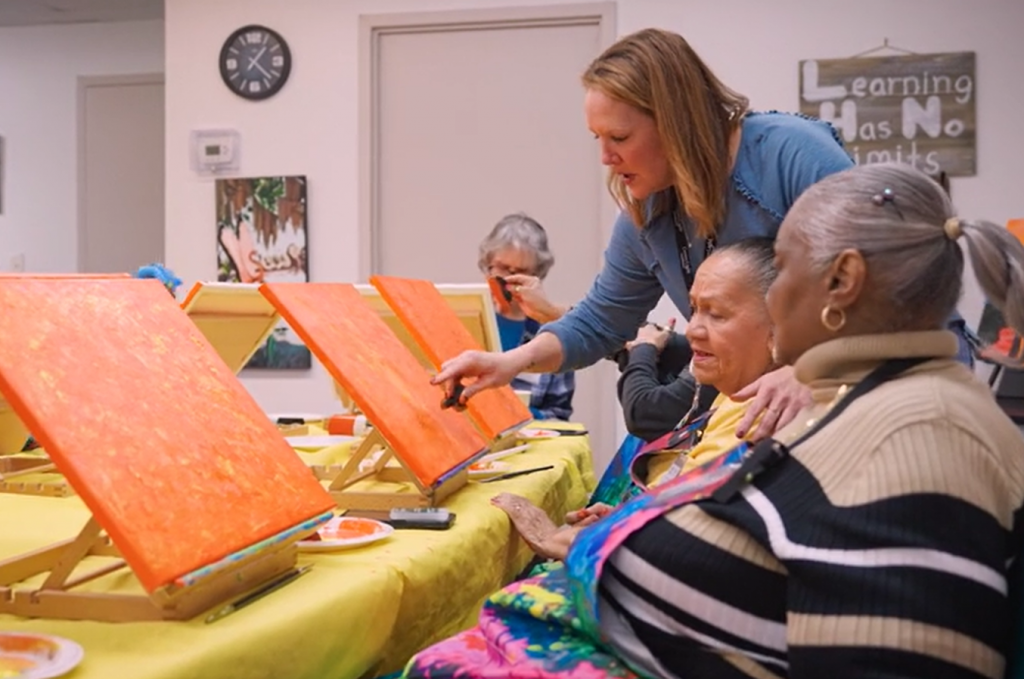
I was born in the vibrant heart of Puerto Rico and moved to the Bronx in the 1950's. My artistic journey began at a senior center, where I first picked up a brush and let my imagination run wild across the canvas.

I was drawn to calm landscapes, the delicate beauty of flowers, and the endless wonder of nature. There's something magical about bringing a quiet forest or a blooming garden to life with just paint and heart.

Everything changed when I joined CenterLight. Under the guidance of Michelle, our Therapeutic Recreation Specialist, I began to grow as an artist.

When we're in the art room, we laugh, we listen to music, and help each other. They make you feel at home. Without CenterLight, I'd just be sitting at home watching TV by myself.

CenterLight PACE participant Lillian speaking at the recent "Art Around the World" Exhibit.

Art has become more than a hobby — it's a journey, a joy, and a window into how I see the world. I'm just getting started, but I'm excited to keep learning and finding beauty in every brushstroke.

Lillian is a current* CenterLight PACE participant and has been enrolled since 2007.

H3329 LillianArtQuote_NoPOInfo
*Last Updated May 12, 2025

Photo credit: Edgar Ruiz, Latin Lenz Entertainment

How Occupational Therapy Helps Older Adults Keep Up with the PACE of Aging

< ver todas las entradas del blog

As people age, it can become harder to move around. Older adults often face challenges with weakness, balance issues, arthritis or recovery from an injury or illness.

Occupational therapy (OT) can help! At CenterLight Healthcare’s Program of All-Inclusive Care for the Elderly (PACE), occupational therapists help older adults stay active, safe, and self-sufficient so they can go about their daily lives with confidence.

What is Occupational Therapy?

OT helps people with everyday activities like getting dressed, eating and moving around. Simply put, occupational therapists help people learn new ways of doing things to make their life easier and help them stay independent.

Occupational therapy can help participants:

  • Improve balance
  • Prevent falls
  • Make their homes safer
  • Build better hand coordination
  • Complete tasks by using special tools

A Success Story

Our occupational therapists find ways to improve the lives of our participants. One man in our program has tremors (shaking hands) and had trouble feeding himself without spilling the food.

This left him upset and discouraged. Occupational Therapist Sara DiFatta recognized that he still had good hand strength and movement, so she gave him a special weighted spoon that helped control the tremors. With this new tool, he was able to feed himself without any spills. This is just one example of how therapists can educate participants on the proper use of equipment and offer strategies to increase independence.

Why Occupational Therapy?

As an occupational therapist, I get to build relationships with the participants I treat, allowing me to better understand their needs and provide more effective care. Seeing their progress and watching their outlook improve is incredibly rewarding.

Working with the CenterLight PACE Care Team

Our participants know that they have a designated care team available to offer hands-on support to help them live safely and independently at home. Our physical and occupational therapists are part of that Interdisciplinary Team (IDT). This group of dedicated professionals work together to make sure each participant gets the right care at the right time.

Open Gym CenterLight’s PACE Centers in Brooklyn, the Bronx, Manhattan, Queens, Long Island, and Westchester include an open gym available for participants. They can schedule transportation to and from the PACE center, where they may enjoy therapeutic recreation activities, nutritious meals, see their medical provider, and exercise — under one roof!  It’s all part of Keeping Up with the PACE of Aging!


This blog post is written by Brendan Geraghty, Director of Rehabilitation at CenterLight Healthcare PACE.

H3329 OTBlog Approved 05272025
Updated 05062025

Making Rehab More Fun and Effective with Jintronix

< ver todas las entradas del blog

At CenterLight Healthcare PACE, we want to help our participants remain as healthy and independent as possible. By introducing Jintronix, a new technology that combines rehabilitation with entertainment, we hope to encourage participation, improve function, and offer a good overall experience.

What is Jintronix?

Jintronix is a computer exercise program that uses sensors to track how participants move and gives instant feedback. It feels like a video game and participants can join alone or in a group. The therapy sessions can be personalized, making them both enjoyable and effective.

Our goal is to help participants live independently in their own homes and communities. Physical and Occupational Therapists work with participants to make sure they can manage everyday tasks safely or recover from an injury.

Why Jintronix?

  • Reduced Risk of Injury
  • Increased Motivation
  • Sense of Achievement
  • Personalized Treatment
  • Improved Movement and Function
  • Faster Recovery Time

As a physical therapist, I’ve found that the pictures and sounds in Jintronix make participants enjoy therapy more. They improve faster and feel good about their progress. We make sure that each participant can manage at their own level. The exercises can be done while sitting or standing.

Madelyn’s story

“My name is Madelyn and I’m 61 years old. I used to work at the USO, where I had to do a lot of pushing and lifting. Arthritis in my spine caused pain all the time and I eventually needed surgery. I joined CenterLight in 2023 after a friend told me about it.

I love it here. Jintronix helps my body and my mind. I can see the exercises better on the large screen because of my cataracts.”

Madelyn added: “It’s fun. The exercises are easy to do.”

Now, Madelyn attends our open gym and uses Jintronix in group classes twice a week. She also works her core and does leg exercises for about 30 minutes daily. She feels stronger and doesn’t need her walker as much. She also encourages other participants to join her in the gym!

At CenterLight PACE, our goal is to find innovative solutions like Jintronix to provide high quality care and empower our participants, like Madelyn, on their path to recovery and well-being.


This blog post is written by Tatyana Brisman, Physical Therapist and Regional Rehabilitation Manager at CenterLight Healthcare PACE.

H3329 JintronixBlog Approved 05272025
Updated 05062025

Recognizing the Signs of a Stroke

< ver todas las entradas del blog

May is National Stroke Month--let's take this time to go over the signs of a stroke to ensure you can act quickly if you or a loved one is having an attack.

Did you know that having a stroke is just as serious as having a heart attack? According to the National Institute of Aging, it is the fifth leading cause of death in the United States and the number one cause of serious adult disability. In addition, the risk of having a stroke increases as we age.

Recognizing the signs of a stroke will allow you to act fast--which can be the difference between life or death. If these signs are present, you should call 911 right away.

  • Sudden numbness or weakness in the face, arm, or leg, especially on one side of the body.
  • Trouble speaking, thinking or walking due to a change in blood flow through the brain. These include slurred speech, trouble speaking, or difficulty understanding speech; sudden loss of balance or coordination; and sudden confusion, trouble speaking, or understanding speech.
  • Difficulty seeing in one eye or both eyes or double vision.
  • Sudden dizziness, drowsiness, nausea, and vomiting.
  • Sudden severe headache with no known cause or warning, which may be due to bleeding in the brain.

Lower Your Risk!

The Centers for Disease Control and Prevention (CDC) states that lifestyle choices can increase your risk for stroke. Below are some ways to help lower your it.

  • Maintain a healthy diet. Your diet should consist of food that are low in cholesterol, saturated fats, and sodium, such as fruits and vegetables. Consult your dietitian to ensure that your meal plan is appropriate for your specific condition.
  • Stay active. Not getting enough physical activity can lead to other health conditions that increase the risk of stroke, including obesity, high blood pressure, high cholesterol, and diabetes. If you are a CenterLight PACE participant, speak with your Physical and Occupational Therapists regarding what exercises and physical activities are right for you.
  • Control high blood pressure and cholesterol. Speak with your medical provider regarding risks, prevention, and the treatment right for you.
  • Quit smoking. Cigarette smoking can contribute to damaging the heart and blood vessels. In addition, nicotine raises blood pressure.
  • Avoid drinking alcohol. Drinking too much alcohol can cause high blood pressure as well as the level of triglycerides, a form of fat in your blood that can harden arteries.

Lastly, see your medical provider regularly. It is important to monitor your health and treat health conditions properly to be able to minimize your risk of a stroke.

CenterLight Healthcare PACE se compromete a proporcionar información precisa relacionada con la salud para ayudar a las personas a vivir bien, mantenerse sanas y tomar decisiones bien informadas sobre la atención sanitaria. La información contenida en este material es estrictamente educativa. Recomendamos a los usuarios que consulten con su proveedor médico acerca de su atención.


This blog post is written by Heather Ogando, MD, Vice President of Clinical Operations at CenterLight Healthcare PACE.


Fuentes:

H3329 Blog_NoPOInfo_Stroke
Updated April 16, 2025

Virgilio’s Story: Everyone treats me like family

< ver todas las entradas del blog

Virgilio has been a participant at CenterLight Healthcare Program of All-Inclusive Care for the Elderly (PACE) for 8 years. Virgilio says that since he's been at CenterLight PACE, everyone treats him like he belongs, like a family member. In his own words:

As a blind person, I depend on the voices. And when they talk to me,
and they laugh with me, that's what makes me want to come here.

I’ve met some of the most wonderful and exciting people
and I probably never would have met them if I hadn’t become a member of CenterLight. 

Virgilio, CenterLight PACE Participant

Virgilio has been a CenterLight PACE participant for 8 years and is enrolled as a participant at the time of posting.

Excerpts from approved video: H3329 VirgilioNievesTestimonial Approved 03272025

Helping Regain and Improve Life Skills: Rehabilitation Services

< ver todas las entradas del blog

After an accident or a serious health event, or as part of their long-term care, people often need rehabilitation services such as Physical Therapy (PT) and/or Occupational Therapy (OT).

Physical Therapy

CenterLight Healthcare Program of All-Inclusive Care for the Elderly (PACE) Physical Therapists (PTs) help participants reduce pain and improve or restore mobility, often reducing the need for long-term use of prescription medications.

PTs can teach participants how to prevent or manage their condition so that they may achieve long-term health benefits. PTs examine each participant and develop a plan, using treatment techniques to promote the ability to move, reduce pain, restore function, improve range of motion, regain strength, improve endurance, and prevent disability.

PTs also work with participants to prevent the loss of movement before it occurs by developing fitness and wellness-oriented programs for healthier and more active lifestyles. Trained in exercise programs and rehabilitative interventions, PTs can also help with falls prevention. For older adults who wish to continue to live safely in their own homes, PTs can help with maintaining, restoring, and reaching the individuals’ optimum function.

Occupational Therapy

Through the therapeutic use of everyday activities (occupations), Occupational Therapists (OTs) help participants do the things they want and need to do. This helps them maintain their independence and remain in the community for as long as possible.

Common occupational therapy interventions include providing treatment to individuals recovering from injury to help them regain skills. OTs provide support for those experiencing physical changes as well as rehabilitation and education to help participants perform everyday tasks. These include, but are not limited to, bathing, dressing, cooking, getting in and out of bed, getting in and out of a car, and other Activities of Daily Living (ADLs).

For participants who may be having cognitive issues, OTs can also design exercises with the goal of improving memory and focus.  

Open Gym

CenterLight Healthcare PACE centers, located in Brooklyn, the Bronx, Manhattan, Queens, Long Island, and Westchester, have an open gym available for participants to use. This is supervised by PTs and OTs to ensure safety and help participants get the most out of their exercises. Participants can contact our team to schedule transportation to and from the PACE center, where they can enjoy therapeutic recreation activities and nutritious meals, see their medical provider, and take advantage of the well-equipped open gym.

Working with the CenterLight PACE Care Team

At CenterLight PACE, physical and occupational therapists are part of the Interdisciplinary Team (IDT), a group of dedicated professionals who work together to provide participants with the care they need, when they need it. And because our PTs and OTs are working with the full care team, they collaborate with each discipline to provide high quality, holistic care.


This blog post is written by Brendan Geraghty, Director of Rehabilitation at CenterLight Healthcare PACE.

H3329 RehabBlog2025 Approved 01282025
Updated 01022025

Social Work at CenterLight Healthcare PACE

< ver todas las entradas del blog

Social Workers are important members of the CenterLight Healthcare Program of All-Inclusive Care for the Elderly (PACE) Interdisciplinary Team (IDT). Every day, our social work professionals collaborate with the rest of the care team to help our participants continue to live safely and independently in their own homes and communities. In this blog post, Kim Sodano, LCSW, LNHA, Director of Social Work at CenterLight Healthcare PACE, discusses the role of social workers in the IDT.

What is the role of a social worker?

Social workers provide counseling, emotional support, referrals, entitlement assistance, and more. CenterLight PACE participants know that social workers are part of their care team, and that they can come to us if they have a question, need assistance, or if they received a bill that they don't understand. We're here to guide them and be there for them as they keep up with the pace of aging.

How does the social worker collaborate with the rest of the care team?

As part of the IDT, social workers are involved in the discussion of effective treatment and any other issues that may affect our participants' care. We make sure that all aspects of the their situation is taken into consideration in their plan of care and addressed accordingly.

Each participant is assigned a social worker.

CenterLight Healthcare PACE participants are assigned a social worker who gets to know them--not only their medical diagnoses, but also their social, behavioral, emotional, and basic needs. Since we are based at the PACE centers, we are always available if they need assistance. Our participants can also call us, and we meet with them at the PACE centers or in their own homes.

Why did you become a social worker?

I became a social worker to make a positive impact toward social change. Being an advocate for individuals and communities while witnessing resilience and transformation is extremely rewarding.


Kim Sodano, LCSW, LNHA, is the Director of Social Work at CenterLight Healthcare PACE.


H3329_SocialWork2025Blog Approved 02202025
Last updated January 15, 2025

For Older Adults, Healthcare Can be Confusing. We Can Help!

< ver todas las entradas del blog

Navigating the world of healthcare may feel like an overwhelming task. CenterLight’s Program of All-Inclusive Care for the Elderly (PACE) is designed to provide comprehensive, coordinated healthcare, and while PACE offers a lifeline to many older adults, the certification process for Medicare and Medicaid can often be confusing for them.

Ensuring that older adults can access the benefits they need without unnecessary barriers is more than just a matter of paperwork—it's about helping improve lives. CenterLight PACE can help answer questions and offer support to our participants or individuals interested in enrolling.

Understanding PACE

PACE programs provide comprehensive healthcare services to older adults who are eligible for Medicare and/or Medicaid, allowing them to stay in their home and communities for as long as possible. Through PACE, eligible* adults 55+ can receive all the services they need including medical care, rehabilitation services, home care, transportation, and more — all coordinated by a designated CenterLight PACE care team.

For older adults to benefit from this holistic care, they first need to meet specific eligibility requirements, including, but not limited to, proving eligibility for both Medicare and Medicaid.* Medicare and/or Medicaid must be maintained to continue all the CenterLight PACE services.

Securing Medicare and Medicaid

For many PACE participants, the process of securing Medicare and Medicaid can feel overwhelming. It often involves gathering medical records, understanding state-specific rules and submitting forms. If you’re an older adult or a caregiver, this process may be daunting. Many people face challenges in understanding which documents are required, how to complete forms accurately, or where to go for help.

For someone already dealing with health concerns, the last thing they need is added stress. It’s no surprise that so many individuals end up frustrated and confused. There are resources available. And our CenterLight team can help simplify the process.

Simplifying the Process

At CenterLight PACE, we believe that navigating the certification and recertification process should not be an additional burden on older adults or their families. We can help our participants in several ways:

  1. Providing Clear, Step-by-Step Guidance
  2. Assisting with Paperwork
  3. Connecting You to Resources
  4. Answering Your Questions
  5. Reducing Stress
  6. Medicaid Renewal

We’re Here to Help

Healthcare shouldn’t be a confusing maze—especially for older adults who already have so much to manage. At CenterLight PACE, our goal is to simplify the Medicare and Medicaid certification process for our participants. We have partnered with Senior Planning Service to facilitate Medicaid recertifications. They work closely with enrolled participants and their families along with our Social Work teams to ensure annual Medicaid renewal is facilitated timely with no disruption in services. We believe in providing the guidance, support, and resources that seniors need to navigate this crucial step in their healthcare journey. Together, we can make the process easier, allowing older adults to focus on what matters most: their health, independence, and happiness.

If you or a loved one are interested in PACE and struggling with Medicare and Medicaid certification, reach out to us today. We’re here to help!

CenterLight Healthcare PACE se compromete a proporcionar información precisa relacionada con la salud para ayudar a las personas a vivir bien, mantenerse sanas y tomar decisiones bien informadas sobre la atención sanitaria. La información contenida en este material es estrictamente educativa. Recomendamos a los usuarios que consulten con su proveedor médico acerca de su atención.


This blog post is a collective effort of the Social Work Department at CenterLight Healthcare PACE.


*See our Care Services page for a full list of eligibility requirements.

H3329 EntitlementsBlog 02202025
Updated January 6, 2024

Dealing with Seasonal Allergies

< ver todas las entradas del blog

As winter ends and the cold weather slowly goes away, spring brings with it beautiful flowers, grasses, and other pollen producers. During the spring months, we can start enjoying outdoor activities such as gardening or walking in the park. But while most people look forward to this season, it may not be as enjoyable for those who suffer from seasonal allergies.

Below are some tips to help reduce the discomfort of allergies:

Look out for allergy symptoms such as red, watery, and itchy eyes; sneezing; congestion; and runny nose.

Consult with your medical provider. Let your doctor or other medical provider know what your symptoms are so they can advise you of proper treatment and prevention techniques. Medical providers can also recommend new and existing allergy treatments that you can try to reduce the effects of allergy-causing substances.

If you are taking allergy medications, take them as prescribed. Medication compliance is a very important part of remaining safe and healthy.

Make sure you note when high pollen count days occur. Remain indoors as much as possible when pollen counts are high. Keep doors and windows closed.

Do not touch your eyes outside and wash your hands before touching them indoors.

If possible, avoid plants that are considered worse for allergies. These include, but are not limited to:

  • Flowers such as daisies, jasmine, and chrysanthemums
  • Indoor plants such as ferns
  • Shrubs such as cypress, juniper, and wisteria
  • High-pollen producing trees such as olive, birch, pine, oak, elm, cedar, and walnut
  • Bermuda grass, Johnson, orchard, and other varieties of grass

If your caregiver has pets and is visiting your home, tell them to wipe the pets down before they come in from outside. Pets' coats can be pollen and mold magnets.

For CenterLight Healthcare PACE Participants:

If you think you have allergies or are experiencing symptoms, your CenterLight PACE care team can help. Please let us know right away so that we can adjust your treatment plans. This includes recommending appropriate treatments based on your condition, and ensuring that any allergy regimen does not conflict with other medications or treatment.

CenterLight Healthcare PACE se compromete a proporcionar información precisa relacionada con la salud para ayudar a las personas a vivir bien, mantenerse sanas y tomar decisiones bien informadas sobre la atención sanitaria. La información contenida en este material es estrictamente educativa. Recomendamos a los usuarios que consulten con su proveedor médico acerca de su atención.


This blog post is written by Heather Ogando, MD, Vice President of Clinical Operations at CenterLight Healthcare PACE.


Fuentes:

H3329 Blog_NoPOInfo_Allergies
Updated March 20, 2025

La importancia de sentirse y verse bien para las personas mayores

< ver todas las entradas del blog

El Programa de atención integral para personas mayores (PACE) de CenterLight Healthcare proporciona la atención y los servicios que necesitan nuestros participantes para ayudarles a seguir viviendo de forma segura e independiente en sus propios hogares. Atendemos a más de 6.300 personas cada día, y más allá de la atención médica y de enfermería, las terapias física y ocupacional, la nutrición, el trabajo social y los servicios de recreación terapéutica, nuestro equipo tiene como objetivo mejorar la calidad de vida de aquellos a quienes atendemos. Fieles a nuestra misión, nuestro objetivo es marcar la diferencia en la vida de nuestros participantes.

Algunas de las actividades favoritas de nuestros participantes son nuestros programas de "Autocuidado", que les permiten relajarse y disfrutar de servicios como manicuras, masajes y cortes de pelo a cargo de personas certificadas. Nuestras sedes de Flushing, Wallerstein (Bronx), Westchester y Stillwell cuentan incluso con un espacio dedicado a salón de belleza/barbería, mientras que el resto de las sedes traen a expertos en cuidados de belleza como parte de sus eventos especiales*.

Puede que este tipo de programas no sean las actividades habituales que le vienen a la mente cuando piensa en asistencia sanitaria. Pero en CenterLight PACE, creemos que proporcionar una atención completa significa que ofrecemos no sólo los servicios que nuestros participantes necesitan para su salud física, sino también aquellos que pueden ayudarles a sentirse bien mental y emocionalmente. En esencia, nuestro objetivo es nutrir el cuerpo y el alma de nuestros participantes.

Para los participantes de CenterLight PACE, uno de los beneficios de los programas de autocuidado es la conveniencia de no tener que ir a un salón de belleza o a una barbería. En los días en que los programas de autocuidado están en el horario de nuestros centros PACE, nuestros participantes pueden disfrutar de estos servicios mientras están en el lugar participando en otras actividades de TR, viendo a su enfermera, hablando con su trabajador social y dietista, o usando el gimnasio abierto. Aunque para algunos adultos mayores puede ser difícil viajar de un lugar a otro, a los participantes de CenterLight PACE se les proporciona transporte de ida y vuelta a nuestros centros.

A medida que envejecemos, podemos temer perder nuestra independencia o estar demasiado centrados en otras necesidades que el autocuidado pasa a un segundo plano en la lista de prioridades. Es asombroso cómo un simple corte de pelo o una manicura pueden ayudar a alguien a sentirse más seguro de sí mismo y con más control y, lo que es más importante, a fomentar un sano sentido de sí mismo que puede contribuir al bienestar mental. De hecho, un estudio publicado en la Biblioteca Nacional de Medicina concluyó que los cuidados de belleza son eficaces para mantener y mejorar la salud autoevaluada y el estado de depresión de los adultos mayores que viven en la comunidad**.

Nuestro compromiso con la atención holística y con ofrecer este tipo de experiencias sencillas pero significativas a nuestros participantes nace de la creencia de que la salud y las capacidades de una persona pueden disminuir con la edad, pero su personalidad y su esencia permanecen. Nos encanta llegar a conocer a nuestros participantes como personas únicas, respetando sus necesidades y preferencias individuales. Se convierten en familia, y siempre es increíble ver a tu familia sentirse bien consigo misma. He visto personalmente cómo estas cosas sencillas pueden hacer que los participantes se sientan conectados con su yo más joven, y nuestro equipo tiene el privilegio de ser una pequeña parte de esos momentos.

*Los participantes deben consultar el calendario de actividades de TR o preguntar a su equipo asistencial cuándo hay programados programas de autocuidado/cuidado de la belleza en su centro.

**Fuente: https://pubmed.ncbi.nlm.nih.gov/27250219/


Esta entrada del blog está escrita por Kathleen KeeganDirectora de Servicios Recreativos Terapéuticos de CenterLight Healthcare PACE.

H3329 SelfCareBlog Aprobado 02202025
Actualizado 12302024

Compartir el don de la fotografía

< ver todas las entradas del blog

¿Qué es lo primero que ve cuando entra en un edificio? ¿Qué le hace sentirse como en casa? ¿Qué hace que un lugar sea cálido y acogedor, aparte de las personas que lo habitan?

Al entrar en uno de los once centros del Programa de atención integral a las personas mayores (PACE) de CenterLight Healthcare, le recibirá una hermosa y colorida fotografía en el vestíbulo, cortesía de Angie Lavigat, Vicepresidenta Adjunta de Contratación de Redes y Proveedores.

Hablamos con Angie sobre cómo es compartir el don de la fotografía con los participantes y el personal de CenterLight PACE. Estos son algunos de los aspectos más destacados de nuestra conversación.

¿Cuánto tiempo lleva haciendo fotos?

Siempre he hecho fotos, incluso cuando era joven. Empecé a hacer fotos profesionalmente hace unos 10 años. Es un privilegio participar en acontecimientos especiales de la vida de las personas. Y ahora que mis fotografías son sobre todo de naturaleza, me encanta captar la belleza que nos rodea.


¿Qué es lo que más le gusta de la fotografía?

La fotografía es una forma de congelar el tiempo. Me encanta recordar momentos capturados en un solo fotograma, esos recuerdos y sentimientos especiales que evocan las imágenes.

¿Cómo acabaron sus fotos en los vestíbulos del Centro CenterLight PACE?

Estaba trabajando con unos colegas en un proyecto especial de embellecimiento. Los centros están llenos de vida y calor por la gente que hay en ellos. Nuestros participantes y el personal hacen de los centros un lugar hermoso en el que estar simplemente con lo que son como personas. Pero al mirar alrededor, al espacio le faltaba algo. Fue entonces cuando surgió la idea de colocar fotos que nuestros participantes, personal y visitantes disfrutaran y les encantara mirar.

Me siento honrado de que las fotos que tomé hayan sido elegidas para exponerse en estos lugares. CenterLight es muy especial para mí, ya que llevo 30 años trabajando aquí. Empecé a hacer más fotos de jardines y flores especialmente para este proyecto en mi tiempo libre, incluidas las que hice en un viaje al Jardín Botánico del Desierto en Arizona y algunas del Arboreto del Condado de Orange. Fue un trabajo de amor. Quería asegurarme de que las fotos fueran perfectas, porque nuestros participantes y nuestro personal no se merecen menos.

¿Qué es lo mejor de exponer sus fotos en los centros CenterLight PACE?

En CenterLight PACE, nuestra misión es ayudar a enriquecer las vidas de aquellos a quienes servimos. Estoy agradecida de poder ser aunque sea una pequeña parte de cumplirla cada día, y de que cuando nuestros participantes vengan a nuestros centros PACE, vean las fotos que he tomado. Es la mejor sensación cuando oigo que las exposiciones han hecho sonreír a la gente. Incluso he oído que alguien lloró al ver las fotos. Me emociona y me hace sentir muy humilde saber que soy capaz de compartir la belleza a través de mi fotografía, y que ha marcado la diferencia en el día de alguien.

Estoy muy arraigada a CenterLight. Es como un segundo hogar para mí, al igual que lo es para nuestros participantes que asisten a los centros y para mis compañeros de trabajo. No podría pensar en un lugar mejor para mi fotografía que un lugar que tiene un significado tan profundo para tantas personas.

¿Qué le gustaría que la gente se llevara de sus fotos?

Cuando los participantes, el personal y los visitantes miran mis fotos, quiero que contemplen la belleza de la naturaleza y recuerden que , pase lo que pase, la vida es bella.

Disfrute de algunas de las fotos de Angie:
(Haga clic en las fotos para verlas en alta resolución).

El arte es una parte importante de la vida en los centros PACE de CenterLight Healthcare. Esté atento a los anuncios sobre nuestra Exposición de Arte de Participantes, ¡próximamente!

H3329 Blog_NoPOInfo_Angie
Última actualización: 17 de marzo de 2025

Cuidar al cuidador

< ver todas las entradas del blog

Según la Clínica Mayo, aproximadamente 1 de cada 3 adultos en Estados Unidos cuida de un ser querido anciano, enfermo y/o con necesidades especiales. A medida que la población envejece, aumenta el número de personas que ejercen de cuidadores.

Esto ha dado lugar a una serie de problemas a los que se enfrentan los propios cuidadores. Los estudios demuestran que entre el 40 y el 70% de los cuidadores familiares experimentan síntomas clínicos de depresión, a menudo debido a sentimientos de aislamiento y soledad asociados a las responsabilidades del cuidado. De hecho, el 17% de los cuidadores declararon que su salud había empeorado debido a sus obligaciones, que pueden progresar con el tiempo.**

Los signos de estrés del cuidador pueden presentarse de muchas maneras, entre ellas:

  • Uso indebido/abuso de alcohol y/o drogas.
  • Sensación constante de preocupación, depresión y/o ansiedad.
  • Sentirse cansado, dormir demasiado o no dormir lo suficiente.
  • Aumento o pérdida de peso.
  • Irritabilidad.
  • Pérdida de interés por actividades que antes le gustaban.
  • Tener frecuentes dolores de cabeza, u otros dolores, y/o problemas de salud.
  • Faltar a citas médicas.

Estrategias para mantenerse bien

Puede ser difícil confiar a otra persona el cuidado de un ser querido, pero dedicar tiempo al autocuidado es importante tanto para usted como para él. El autocuidado le ayuda a mantenerse equilibrado, centrado y eficaz como cuidador. Asegúrate de reservar un tiempo en tu rutina para centrarte en ti mismo. Esto le ayudará a sentirse más conectado y contento.

Los recursos disponibles para los cuidadores incluyen:

  • Servicios de relevo - proporcionan un alivio a corto plazo, permitiendo tiempo para descansar, viajar o pasar tiempo con otras personas. Por ejemplo, los cuidadores de los participantes en el programa PACE de CenterLight Healthcare pueden confiar en nosotros para que les proporcionemos cuidados mientras usted está de vacaciones o tiene otros asuntos que requieren su atención. Mientras usted está fuera, tendrá la tranquilidad de saber que su ser querido está recibiendo los cuidados y servicios que necesita.
  • Existen grupos de apoyo en la comunidad y en línea, que brindan la oportunidad de conectar con otras personas con las mismas experiencias.
  • También puede encontrar recursos educativos en su biblioteca local o en Internet. Busque información útil sobre los cuidados en fuentes fiables. Saber a qué se enfrenta puede ayudarle a reducir la ansiedad y darle confianza a la hora de desempeñar su papel de cuidador. Entre las organizaciones que disponen de abundante información sobre los cuidadores se incluyen MedlinePlus, Medicare.gov y el Instituto Nacional sobre el Envejecimiento.

También pueden resultarle útiles los siguientes consejos:

  • Encuentra una actividad/afición que te interese. Participa en yoga, sal a pasear, ve al cine, cena con amigos y familiares, y otras actividades que puedan ayudarte a mantenerte en contacto con los demás.
  • Coma sano, haga ejercicio y visite regularmente a su médico. Como cuidador, es posible que no duerma lo suficiente, que no haga ejercicio físico o que no siga una dieta equilibrada. La falta de sueño, ejercicio y malos hábitos alimentarios pueden aumentar el riesgo de sufrir problemas de salud como cardiopatías y diabetes. Además, el estrés a lo largo del tiempo puede perjudicar su salud. Sea consciente de su propia salud y acuda a su médico para hacerse revisiones periódicas y recibir cuidados preventivos.
  • Meditar. Una de las técnicas de relajación más sencillas es la conciencia de la respiración. La meditación reduce el estrés y la ansiedad, mejora el estado de ánimo, aumenta la concentración y ayuda a bajar la tensión arterial.
  • Pida ayuda. Como cuidador, es posible que tenga que hacer malabarismos con muchas responsabilidades, y saber cuándo pedir ayuda, ya sea a amigos, a otros miembros de su familia, a organizaciones comunitarias o a programas como CenterLight Healthcare PACE, significa que tiene en mente lo mejor para su ser querido.

Esperamos que este artículo le resulte útil. Y lo que es más importante, recuerde que no está solo. Hay recursos disponibles que ofrecen apoyo a los cuidadores.

CenterLight Healthcare PACE se compromete a proporcionar información precisa relacionada con la salud para ayudar a las personas a vivir bien, mantenerse sanas y tomar decisiones bien informadas sobre la atención sanitaria. La información contenida en este material es estrictamente educativa. Recomendamos a los usuarios que consulten con su proveedor médico acerca de su atención.


Esta entrada del blog ha sido escrita por:

Jocelyn Pappalardo, BSN, RN, Directora de Calidad de CenterLight PACE

Meghan Little, MSN, RN, Especialista en Gestión de Calidad en CenterLight PACE


Fuentes:

* Clínica Mayo

** Alianza de Cuidadores Familiares

https://www.caregiver.org/news/caregiver-isolation-and-loneliness/

https://www.caregiver.org/resource/caregiver-statistics-health-technology-and-caregiving-resources/

H3329 CaregiverTips_Web Aprobado 02202025
Actualizado el 26 de diciembre de 2024

La historia de Sheila: CenterLight me salvó la vida

< ver todas las entradas del blog

La trayectoria de Sheila con el Programa de Atención Integral a Personas Mayores (PACE) de CenterLight Healthcare comenzó cuando salió a dar un paseo con su hermana y su sobrina cerca del Centro PACE Wallerstein, en el Bronx. Al pasar por allí, vio al personal preparándose para un desfile de moda. El personal recibió calurosamente a Sheila, que dijo que quería ver el desfile, y quedó tan impresionada con el programa PACE que se inscribió inmediatamente.

Como Sheila cuenta en el vídeo testimonial, CenterLight realmente "le salvó la vida". Le dio una razón para salir de casa y rápidamente se convirtió en una fuente de actividad tanto física como mental. En sus propias palabras: 

Me encanta CenterLight. De verdad. CenterLight me salvó la vida, estaba en casa, engordando, engordando y engordando, sin hacer nada. Entonces, CenterLight me dio mi pintura, que me encanta. Me hace sentir bien. Todo está aquí. No tienes que ir a una clínica, vienes aquí y ves a tu médico, a tu enfermera, a tu fisioterapeuta; todo está aquí. Te arreglan las uñas, te peinan y todo eso. Es agradable, muy agradable. Me encanta todo el personal. Son como mis hijas y mis hijos, los adoro. En cuanto entro por la puerta, sé que voy a estar con gente que se preocupa por mí y por mí, y me lo paso bien. Así que ven y disfruta en CenterLight.

En CenterLight PACE, Sheila descubrió un profundo amor por la pintura, y también se nutre de las conexiones sociales que ha hecho con sus compañeros, considerándolos parte de su familia extendida. Estas relaciones, junto con sus actividades, han sido realmente un salvavidas. Sheila se unió a su grupo de pintura hace años y su amor por el arte nunca ha flaqueado. De hecho, uno de los cuadros de Sheila fue elegido para un proyecto especial de calendario y ganó un premio por él. Sheila aún recuerda con cariño la experiencia y habla de ella con orgullo.

Sheila ha sido participante de CenterLight PACE durante 11 años y está inscrita como participante en el momento de publicar este artículo.

H3329 SheilaBlog2024 Aprobado 01232025
Última actualización 27 de diciembre de 2024

CenterLight Healthcare tiene un contrato PACE aprobado por los Centros de Servicios de Medicare y Medicaid (CMS) y el Departamento de Salud del Estado de Nueva York (NYSDOH). La inscripción en CenterLight Healthcare PACE depende de la renovación de su contrato con CMS y NYSDOH. Los participantes pueden ser total y personalmente responsables del coste de los servicios no autorizados o acordados fuera del programa PACE. Tras la inscripción, el programa PACE será el único proveedor de servicios del participante. Los participantes tendrán acceso a todos los servicios necesarios identificados por el Equipo Interdisciplinario, pero no a un proveedor específico de estos servicios. Por favor contáctenos para más información.

H3329 CLPACEPágina web aprobada 10222024

Last Updated on June 13, 2025
El propietario de este sitio web se ha comprometido con la accesibilidad y la inclusión, por favor informe de cualquier problema que encuentre utilizando el formulario de contacto de este sitio web. Este sitio utiliza el plugin WP ADA Compliance Check para mejorar la accesibilidad.