CenterLight Healthcare Program of All-Inclusive Care for the Elderly (PACE) participant Betty Murray has been a CenterLight PACE participant for 15 years. In this video, she shares how it's like having a team on her side and speaks about her favorite activity at the CenterLight PACE Center.
Betty has been a CenterLight PACE participant for 15 years and is enrolled as a participant at the time of posting.
At CenterLight Healthcare Program of All-Inclusive Care for the Elderly (PACE), we believe that high-quality, participant-centered care is only possible through collaboration with our provider network. Our providers play a vital role in ensuring that care is not only compassionate and effective but also compliant with regulatory standards.
As part of our ongoing commitment to excellence in care coordination, regulatory compliance, and health outcomes, we rely on our provider network to submit timely, complete, and accurate medical records. Your diligence in documentation directly supports the delivery of safe, effective, and coordinated care—and it gets results.
Shared Success: Measurable Impact
Thanks to your continued efforts, CenterLight PACE achieved:
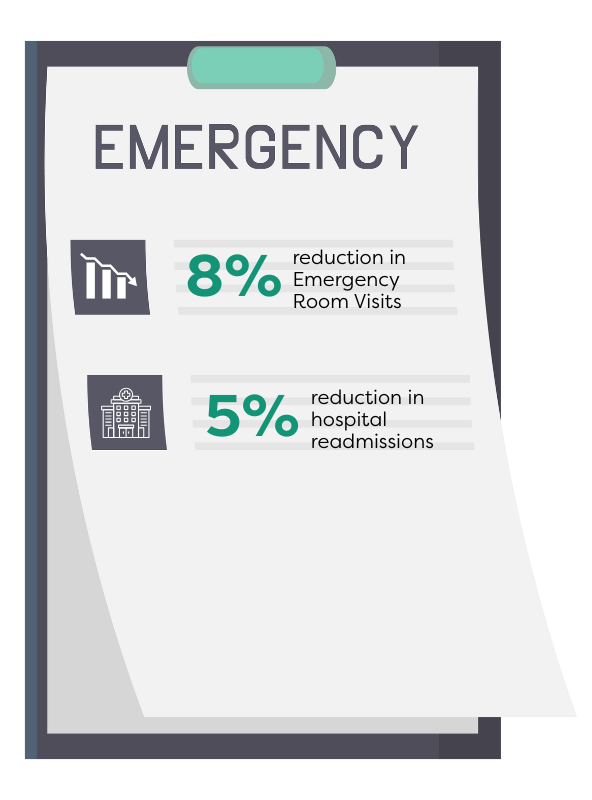
An 8% reduction in emergency room visits per 1,000 participants
A 5% reduction in hospital readmissions
These improvements, recorded from Q1 to Q2 of 2025,* reflect the power of strong provider collaboration and thorough medical documentation. They also ensure we meet key standards set by federal and state agencies, including Centers for Medicare and Medicaid Services (CMS) and New York State Department of Health (NYSDOH).
What to Include in Every Medical Record Submission
As the participant's consulting physician or primary care provider, you play an integral role as a member of their care team. One of our regulatory requirements as a PACE program is to have the CenterLight care team review and update the individualized plan of care minimally on a 6-month basis.
To support this goal, visit notes must be submitted to CenterLight PACE to ensure that our participants' visits to your office become part of their medical record.
Please ensure that each medical record submission includes the following components, when applicable:
Plan of Care
Nursing and physician progress notes detailing the participant’s response to treatment
Specialist evaluations and recommendations
Laboratory, radiological, and other test reports
Medication records, including medication administration records
Physician orders
Reports of contact with informal support (e.g., caregiver, legal guardian, or next of kin)
Hospital discharge summaries
Discharge summary and disenrollment justification
Advance directives
Documentation Guidelines
Submit medical record documentation monthly
Submit documentation after both scheduled and unscheduled assessments
Ensure all records are legible, clearly dated, and signed by the responsible clinician
Send records to: visitdocumentation@centerlight.org
CenterLight’s staff is HIPAA-trained and committed to upholding strict data privacy and security standards.
Thank you for you for helping us provide high-quality care to those we serve!
Your commitment to thorough documentation and timely communication helps us deliver exceptional care to our participants. Together, we are building a stronger, more responsive care network—one record at a time.
This blog post is written by Jocelyn Pappalardo, Director of Quality at CenterLight Healthcare PACE.
*CenterLight PACE participant data collected by the organization's Quality Department.
H3329 Blog_ForProviders_VisitNotes Updated July 15, 2025
Summer is a time to enjoy the sunshine, fresh air, and outdoor fun—but for older adults, it’s also a time to be extra cautious. High temperatures and seasonal conditions can pose health risks, especially when it comes to heat-related illness and falls. Fortunately, a few simple precautions can help you stay safe all season long.
Summer activities often mean more walking, time outdoors, and exposure to wet or uneven surfaces—all of which can increase your risk of falling.
Here are a few tips to help you stay on your feet:
Avoid overheating.
Dehydration and overheating can cause dizziness and confusion, leading to falls. Stay cool and well-hydrated, and plan outdoor activities during cooler hours.
Be mindful of weather hazards.
In addition to heat waves, July can see the most rain during the summer.* Rain can create slippery sidewalks and muddy paths. Thunderstorms can scatter branches and debris that become tripping hazards. Stay indoors during bad weather and keep walkways clear.
Stay alert outside.
Watch uneven ground, curbs, holes, and changes in incline. Take your time and use a walking aid if needed.
Watch indoor slip hazards.
Pools, rain, and summer foot traffic can lead to wet floors at home, in stores, or restaurants. Wipe up spills quickly and walk carefully, especially on tile or hard wood floors.
Wear the right shoes.
Avoid flip-flops or slippery-soled sandals. Choose supportive, rubber-soled shoes that provide good traction and help prevent slips.
Rest when needed.
If you feel lightheaded, dizzy, or unusually tired, sit or lie down in a cool area and rest.
Enjoy the Season—Safely
With a few mindful choices, older adults can stay safe, healthy, and active throughout the summer. Protect yourself from heat, stay hydrated, and be aware of your surroundings to reduce your risk of falling or illness.
Remember: A safe summer is a fun summer!
CenterLight Healthcare PACE is committed to providing accurate health-related information to help individuals live well, stay healthy and make well-informed healthcare decisions. Information in this material is strictly educational. We recommend that users consult with their medical provider regarding their care.
This blog post is written by Tatyana Brisman, PT, Regional Rehabilitation Manager at CenterLight Healthcare PACE.
Did you know that individuals with Diabetes are more prone to having foot problems?
But don't worry, there are a few things you can do to help keep your feet healthy and avoid complications.
Check your feet daily.
Look for calluses, cuts, sores, blisters, red spots and swelling. A good time to check your feet is when you put on or take off your shoes and socks.
Use a mirror to check the bottoms of your feet if you have trouble seeing them. You can also ask a family member to help you.
Contact your health care provider if you see a problem.
Maintain foot hygiene.
Wash your feet with warm water (not hot) daily, but avoid soaking them. Dry your feet well after washing, including between your toes.
Rub a thin coat of lotion over the tops and bottoms of your feet. Do not put lotion between your toes to avoid infection.
Protect your feet.
Do not walk barefoot. It is easy to step on something and hurt your feet.
Wear shoes that fit well. Check inside your shoes before you put them on to make sure the lining is smooth and there are no objects in them.
Do not use hot water bottles or heating pads on your feet.
Do not use over-the-counter products for corns and calluses. They may harm your skin.Wash your feet with warm water (not hot) daily, but avoid soaking them. Dry your feet well after washing, including between your toes.
Rub a thin coat of lotion over the tops and bottoms of your feet. Do not put lotion between your toes to avoid infection.
Be mindful of your diabetes.
Keep your blood sugar within your target levels.
Follow your primary care provider’s direction on diabetes treatment.
Follow your doctor's and care team's advice.
Ask your primary care provider to check your feet at every visit.
See a podiatrist (a doctor who treats feet) at least once a year.
Let your care team know right away if you see or feel any issues with your feet.
For CenterLight PACE Participants
CenterLight's podiatrist will be at our PACE centers on scheduled days and is looking forward to meeting our participants. To find out the schedule for your site or to make an appointment, please call 1-833-252-2737 (TTY 711), 8AM-8PM Monday-Friday.
CenterLight Healthcare PACE is committed to providing accurate health-related information to help individuals live well, stay healthy and make well-informed healthcare decisions. Information in this material is strictly educational. We recommend that users consult with their medical provider regarding their care.
This blog post is written by Ziad Farah, MD, MBA, Chief Medical Officer at CenterLight Healthcare PACE.
As we get older, our eyesight tends to change. Maybe you’ve started needing more light to read, or it is harder to recognize faces from a distance. What is important is knowing how to care for your eyes and catch any serious issues before they affect your daily life.
This is a friendly reminder to pause and think about your eye health. After all, our eyes help us enjoy the people we love, read our favorite book, and move around safely.
Aging and Eyesight: What to Expect
You might notice that your vision isn’t quite as sharp as it used to be. Many older adults may experience changes like:
Trouble seeing up close (especially with reading)
More sensitivity to glare
Needing more time to adjust to light changes
Cloudy vision (possibly from cataracts)
These changes are common, but sometimes vision problems can sneak up on us without warning. That’s why regular checkups with an eye doctor are so important.
Eye Conditions to Watch For
Some eye conditions become more common as we age. These include:
Cataracts - cloudy areas in the eyes lens that can make things look blurry or faded
Glaucoma - damage to the nerve in the back of the eye, which often starts with no symptoms
Macular degeneration - affects the part of your vision you use to see straight ahead
Diabetic eye disease - happens when high blood sugar affects blood vessels in the eyes
Catching these problems early can make a big difference. Most eye doctors recommend getting a full eye exam with dilating drops at least once a year.
Simple Tips to Keep Your Eyes Healthy
Take breaks from screens. Try not to stare at screens such as television, computers, and cellphones 24/7, make sure you are looking up every 20 minutes to relax your eyes for a bit.
Eat more greens and fish. Foods like spinach, kale, and salmon can support your eye health.
Protect your eyes from the sun. Wear sunglasses and a hat when you go outside.
Keep chronic conditions under control. Managing diabetes, blood pressure, and cholesterol helps your eyes as well.
Avoid smoking. Smoking raises your risk of vision loss later in life.
Use good lighting at home. It helps you see better and lowers your chance of falling.
When to Call Your Eye Doctor
If you notice sudden changes —for example, flashes of light, little specks in your vision, or pain in your eyes —don’t wait. Call your doctor right away. CenterLight Healthcare Program of All-Inclusive Care for the Elderly (PACE) participants may also speak with their care team.
CenterLight Healthcare PACE is committed to providing accurate health-related information to help individuals live well, stay healthy and make well-informed healthcare decisions. Information in this material is strictly educational. We recommend that users consult with their medical provider regarding their care.
This blog post is written by Patricia Connelly, RN, Chief Operations Officer at CenterLight Healthcare PACE.
According to the Centers for Disease Control and Prevention (CDC), people aged 65 years or older are more prone to heat-related health problems.1 With summer approaching, temperature changes, chronic conditions, and prescription medications increase risks for older adults.
Consult your medical provider about how the heat may affect your health conditions or medications.
How to Stay Cool
Stay inside air-conditioned buildings whenever you can. If your home doesn’t have air conditioning, New York city has available cooling centers. Our PACE centers are open to CenterLight participants during operating hours. If you're a CenterLight participant and would like to attend our PACE center, call us to schedule transportation at 1-833-CL-CARES (TTY 711), 8AM-8PM, Monday-Friday.
Pace yourself when doing activities, including exercise.
Some medications may affect the body's ability to cool itself or may have harmful risks during extreme heat. For example, some blood pressure and heart medications can increase the risk of fainting and falling or inhibit the feeling of thirst, while others can interfere with temperature regulation.2 Speak with your medical provider regarding the medications you're taking and ask them how you can minimize harmful risks.
Take cool showers or baths to help your body cool off. Remember to be careful and ask your caregiver for assistance with these tasks.
Wear loose, light-colored clothes that are comfortable and cool.
Caregivers: What You Can Do to Beat the Heat
Stay informed: Check the local news for health and safety updates.
Hydration is key.
Time outdoor activities wisely.
CenterLight Healthcare PACE is committed to providing accurate health-related information to help individuals live well, stay healthy and make well-informed healthcare decisions. Information in this material is strictly educational. We recommend that users consult with their medical provider regarding their care.
This blog post is written by Heather Ogando, MD, Vice President of Clinical Operations at CenterLight Healthcare PACE.
CenterLight PACE participant Feroz enrolled in 2023. In this video, he shares that he waits the whole week to come to CenterLight's South Asian Cultural Alternative Care Setting.
Feroz enrolled at CenterLight Healthcare PACE in 2023 and is a participant at the time of posting.
It was a beautiful morning, and CenterLight Healthcare Program of All-Inclusive Care for the Elderly (PACE) Seneca Day Health Center participants were excited for their trip to the aquarium. It was an opportunity to observe stunning marine creatures in the museum’s breathtaking exhibits.
Meanwhile, participants from our Flushing PACE site are still talking about their day at the Botanical Garden—where they enjoyed perfect weather, fresh air, and colorful scenery. Seneca participants, on the other hand, are looking forward to the next time they reconnect with their inner child and bond with their Flushing peers at Dave and Buster’s; and our Bronx participants are excited for the next time they go on a trip to City Island.
CenterLight Healthcare PACE participants took a fun trip to the aquarium.
CenterLight Healthcare PACE participants took a fun trip to the aquarium.
CenterLight Healthcare PACE participants took a fun trip to the aquarium.
CenterLight Healthcare PACE participants took a fun trip to the aquarium.
CenterLight Flushing participants at the Queens Botanical Garden.
CenterLight Flushing participants at the Queens Botanical Garden.
CenterLight Flushing participants at the Queens Botanical Garden.
CenterLight Flushing participants at the Queens Botanical Garden.
Fun, games, and friendship at Dave and Buster's.
Fun, games, and friendship at Dave and Buster's.
Fun, games, and friendship at Dave and Buster's.
CenterLight Healthcare PACE participants enjoyed their City Island trip.
CenterLight Healthcare PACE participants enjoyed their City Island trip.
CenterLight Healthcare PACE participants enjoyed their City Island trip.
CenterLight Healthcare PACE participants enjoyed their City Island trip.
Fun, games, and friendship at Dave and Buster's.
These are just examples of trips CenterLight Healthcare PACE participants enjoy. In addition to more than 100 activities on site each month, we also take them on field trips throughout the year. Whether at the PACE center learning new things, or at fun and educational locations chosen based on their interests, every day is a chance for adventure!
Why are field trips part of CenterLight PACE’s Therapeutic Recreation programming?
Field trips provide a variety of benefits for older adults, including:
Opportunities for socialization. When older adults interact and share new experiences with their peers, their risk for social isolation is reduced. Field trips provide opportunities to interact with others, helping improve their wellbeing. In addition, having something to look forward to, like going to a museum with friends, helps promote mental and emotional wellness.
New experiences and participating in activities one enjoys can stimulate cognitive function. Whether going to a place they have never been before, learning new things, or discussing new ideas, field trips are a fun way to keep one’s mind sharp.
Most field trips can encourage physical activity. For example, walking around a museum of their choice or playing a game provide opportunities for exercise and help with mobility. Taking a stroll at the Botanical Garden, for example, not only encourages movement—it is also a chance to enjoy fresh air.
Diverse Interests, New Possibilities
The CenterLight PACE Therapeutic Recreation (TR) team understands that each participant is unique. TR specialists design activities that consider the diverse cultural backgrounds and varied preferences of those we serve. Field trips aim to bring participants together, offer a chance for adventure, provide shared experiences that they will enjoy, and even introduce them to something new, opening them up to interests they didn’t have before.
Visit our Facebook page to view photos from trips and other events/programs for our participants.
This blog post is written by Kathleen Keegan, Director of Therapeutic Recreation Services at CenterLight Healthcare PACE.
Arianna Corretjer, Therapeutic Recreation Specialist, is celebrating her 35th year at CenterLight in 2025. Arianna considers participants part of her family. In her own words:
H3329 AriannaVideo_NoPOInfo Last Updated June 5, 2025
Ana Rosa enrolled at CenterLight Healthcare Program of All-Inclusive Care for the Elderly (PACE) in 2012 after she was discharged from rehabilitation. View the video below to hear her experience at CenterLight PACE in her own words.
Ana Rosa enrolled at CenterLight Healthcare PACE in 2012 and is a participant at the time of posting.
According to the National Library of Medicine, people with Alzheimer’s Disease are twice as likely to fall than those without it.1 Falls can reduce independence, impact quality of life, and in some cases, cause serious injuries. It is important to learn about risks and what we can do to help minimize them.
Why are Falls More Common in Individuals with Alzheimer’s?
Cognitive Decline: People with Alzheimer's Disease suffer from memory loss and poor judgement, which make it harder to avoid hazards.
Balance and Muscle Weakness: Changes in gait and balance are a common symptom of Alzheimer’s, particularly as the disease progresses. These deficits can contribute to difficulty walking and balancing, which can ultimately lead to falls.2 In addition, Alzheimer's Disease affects coordination and physical strength.
Vision Issues: Trouble judging depth and distance leads to missteps.
Medication Side Effects: Some drugs prescribed for Alzheimer's Disease may cause dizziness or drowsiness.
Early Risk: Falls can occur even before symptoms of Alzheimer’s are obvious or before Alzheimer's Disease is diagnosed.
What are the Consequences?
Injuries: Fractures, head trauma, and loss of mobility.
Fear of Falling: Leads to inactivity, isolation, and further decline.
Stress for Caregivers: Increased responsibilities and emotional strain.
Long-Term Impact: Hospital stays or permanent care placement.
How to Help Prevent Falls
Recognizing the connection between cognitive decline and physical vulnerability is the first step in preventing injuries and maintaining independence.
Remember to see your medical provider regularly. They can help recognize early signs and help determine if an individual has Alzheimer's Disease and increased risk of falls.
If an individual is diagnosed with Alzheimer's Disease, caregivers, medical professionals, and family members can work together to:
Improve home safety
Monitor medication side effects
Encourage safe mobility practices
Engage in physical therapy and balance exercises
By staying informed and proactive, we can help reduce the risk of falls and improve the overall quality of life for individuals with Alzheimer’s Disease.
CenterLight Healthcare PACE is committed to providing accurate health-related information to help individuals live well, stay healthy and make well-informed healthcare decisions. Information in this material is strictly educational. We recommend that users consult with their medical provider regarding their care.
This blog post is written by Tatyana Brisman, PT, Regional Rehabilitation Manager at CenterLight Healthcare PACE.
Tatyana Brisman, PT, is celebrating her 20th year of working at CenterLight Healthcare Program of All-Inclusive Care for the Elderly (PACE) in 2025. We spoke with Tatyana to learn more about her journey as a physical therapy and rehabilitation professional.
How did you get started at CenterLight?
I began my journey with CenterLight Healthcare PACE in July 2005 as a Senior Physical Therapist. Just one year into my role, I was honored to be promoted to Rehabilitation Manager—a position that allowed me to grow both professionally and personally.
How do you view your role at CenterLight?
Over the years, my responsibilities have evolved, but my mission has remained the same: to ensure our participants are safe in their communities by providing high quality care and being a supportive, collaborative member of the care team.
What is the best thing about being in the healthcare/ rehabilitation field?
Working in healthcare and rehabilitation is incredibly rewarding. The greatest joy comes from helping participants reach their maximum level of function and seeing their quality of life improve. Whether it’s helping someone walk again after orthopedic surgery, supporting stroke recovery, or reducing pain and restoring mobility—every success story is a powerful reminder of why I chose this career.
Some of the most meaningful moments come from simple yet impactful interventions, like conducting a Home Safety Evaluation that helps someone remain safely in their home. Seeing a participant regain independence, walk more confidently, or even cry tears of joy after recovery—those are the moments that make this work truly worthwhile.
What advice would you give to someone who wants to have a long career?
My advice to anyone in this field: always put participants first. Be compassionate, be a team player, and strive to create a family-like environment. Embrace change, be willing to learn, and grow with the fast-paced nature of healthcare.
Being a Physical Therapist is more than just a job—it’s a calling. And I’m grateful every day to be part of a field that makes such a difference in people's lives.
Tatyana Brisman, Physical Therapist and Regional Rehabilitation Manager at CenterLight Healthcare PACE.
Arthritis is a general term for conditions that affect the joints, tissues around joints, and other connective tissues. This is an inflammation that usually comes with the feeling of pain, stiffness and swelling.
There are many types of arthritis. Osteoarthritis, for example, is the most common form among older adults, according to the National Institute on Aging.
Do you have Arthritis?
Symptoms vary by arthritis type but usually include joint pain and stiffness. Pain is the way your body tells you that something is wrong. You might have trouble moving around. You need to see your medical provider to find out if you're experiencing arthritis pain or something else.
What can you do to manage Arthritis?
See your medical provider regularly.
Although there are many Over-The-Counter (OTC) medications that people use to relieve pain they think is caused by Arthritis, it is important to consult a medical professional to ensure proper diagnosis. Only a medical provider can tell if you have Arthritis or a related condition and how to treat it.
Manage your weight.
According to the Centers for Disease Control and Prevention (CDC), keeping a healthy weight can help slow arthritis symptoms from getting worse so you can keep doing the activities you enjoy. Your dietitian can help develop a meal plan that's right for you.
Be physically active.
Exercising, going for a walk, and moving all of your joints can help you manage your arthritis. The CDC states that according to research, physical activity reduces pain, improves physical function, and delays physical limitations. Speak with your physical or occupational therapist to discuss an exercise plan that will work for you.
Take your medicines when and how you are supposed to.
Your medical provider will let you know if medications can help you. Before you leave the doctor’s office, make sure you ask about the best way to take the medicine they prescribed. For example, you may need to take some medicines with milk, or you may need to eat something just before or after taking them, to make sure they don’t upset your stomach.
Tell your medical provider if you are taking OTC medications, using pain relieving creams, or any herbal or homeopathic treatments. They will review them to make sure that there are no interactions with your other medications.
CenterLight Healthcare PACE is committed to providing accurate health-related information to help individuals live well, stay healthy and make well-informed healthcare decisions. Information in this material is strictly educational. We recommend that users consult with their medical provider regarding their care.
This blog post is written by Heather Ogando, MD, Vice President of Clinical Operations at CenterLight Healthcare PACE.
I was born in the vibrant heart of Puerto Rico and moved to the Bronx in the 1950's. My artistic journey began at a senior center, where I first picked up a brush and let my imagination run wild across the canvas.
I was drawn to calm landscapes, the delicate beauty of flowers, and the endless wonder of nature. There's something magical about bringing a quiet forest or a blooming garden to life with just paint and heart.
Everything changed when I joined CenterLight. Under the guidance of Michelle, our Therapeutic Recreation Specialist, I began to grow as an artist.
When we're in the art room, we laugh, we listen to music, and help each other. They make you feel at home. Without CenterLight, I'd just be sitting at home watching TV by myself.
CenterLight PACE participant Lillian speaking at the recent "Art Around the World" Exhibit.
Art has become more than a hobby — it's a journey, a joy, and a window into how I see the world. I'm just getting started, but I'm excited to keep learning and finding beauty in every brushstroke.
Lillian is a current* CenterLight PACE participant and has been enrolled since 2007.
H3329 LillianArtQuote_NoPOInfo *Last Updated May 12, 2025
Photo credit: Edgar Ruiz, Latin Lenz Entertainment
As people age, it can become harder to move around. Older adults often face challenges with weakness, balance issues, arthritis or recovery from an injury or illness.
Occupational therapy (OT) can help! At CenterLight Healthcare’s Program of All-Inclusive Care for the Elderly (PACE), occupational therapists help older adults stay active, safe, and self-sufficient so they can go about their daily lives with confidence.
What is Occupational Therapy?
OT helps people with everyday activities like getting dressed, eating and moving around. Simply put, occupational therapists help people learn new ways of doing things to make their life easier and help them stay independent.
Occupational therapy can help participants:
Improve balance
Prevent falls
Make their homes safer
Build better hand coordination
Complete tasks by using special tools
A Success Story
Our occupational therapists find ways to improve the lives of our participants. One man in our program has tremors (shaking hands) and had trouble feeding himself without spilling the food.
This left him upset and discouraged. Occupational Therapist Sara DiFatta recognized that he still had good hand strength and movement, so she gave him a special weighted spoon that helped control the tremors. With this new tool, he was able to feed himself without any spills. This is just one example of how therapists can educate participants on the proper use of equipment and offer strategies to increase independence.
Why Occupational Therapy?
As an occupational therapist, I get to build relationships with the participants I treat, allowing me to better understand their needs and provide more effective care. Seeing their progress and watching their outlook improve is incredibly rewarding.
Working with the CenterLight PACE Care Team
Our participants know that they have a designated care team available to offer hands-on support to help them live safely and independently at home. Our physical and occupational therapists are part of that Interdisciplinary Team (IDT). This group of dedicated professionals work together to make sure each participant gets the right care at the right time.
Open Gym CenterLight’s PACE Centers in Brooklyn, the Bronx, Manhattan, Queens, Long Island, and Westchester include an open gym available for participants. They can schedule transportation to and from the PACE center, where they may enjoy therapeutic recreation activities, nutritious meals, see their medical provider, and exercise — under one roof! It’s all part of Keeping Up with the PACE of Aging!
This blog post is written by Brendan Geraghty, Director of Rehabilitation at CenterLight Healthcare PACE.
At CenterLight Healthcare PACE, we want to help our participants remain as healthy and independent as possible. By introducing Jintronix, a new technology that combines rehabilitation with entertainment, we hope to encourage participation, improve function, and offer a good overall experience.
What is Jintronix?
Jintronix is a computer exercise program that uses sensors to track how participants move and gives instant feedback. It feels like a video game and participants can join alone or in a group. The therapy sessions can be personalized, making them both enjoyable and effective.
Our goal is to help participants live independently in their own homes and communities. Physical and Occupational Therapists work with participants to make sure they can manage everyday tasks safely or recover from an injury.
Why Jintronix?
Reduced Risk of Injury
Increased Motivation
Sense of Achievement
Personalized Treatment
Improved Movement and Function
Faster Recovery Time
As a physical therapist, I’ve found that the pictures and sounds in Jintronix make participants enjoy therapy more. They improve faster and feel good about their progress. We make sure that each participant can manage at their own level. The exercises can be done while sitting or standing.
Madelyn’s story
“My name is Madelyn and I’m 61 years old. I used to work at the USO, where I had to do a lot of pushing and lifting. Arthritis in my spine caused pain all the time and I eventually needed surgery. I joined CenterLight in 2023 after a friend told me about it.
I love it here. Jintronix helps my body and my mind. I can see the exercises better on the large screen because of my cataracts.”
Madelyn added: “It’s fun. The exercises are easy to do.”
Now, Madelyn attends our open gym and uses Jintronix in group classes twice a week. She also works her core and does leg exercises for about 30 minutes daily. She feels stronger and doesn’t need her walker as much. She also encourages other participants to join her in the gym!
At CenterLight PACE, our goal is to find innovative solutions like Jintronix to provide high quality care and empower our participants, like Madelyn, on their path to recovery and well-being.
This blog post is written by Tatyana Brisman, Physical Therapist and Regional Rehabilitation Manager at CenterLight Healthcare PACE.
May is National Stroke Month--let's take this time to go over the signs of a stroke to ensure you can act quickly if you or a loved one is having an attack.
Did you know that having a stroke is just as serious as having a heart attack? According to the National Institute of Aging, it is the fifth leading cause of death in the United States and the number one cause of serious adult disability. In addition, the risk of having a stroke increases as we age.
Recognizing the signs of a stroke will allow you to act fast--which can be the difference between life or death. If these signs are present, you should call 911 right away.
Sudden numbness or weakness in the face, arm, or leg, especially on one side of the body.
Trouble speaking, thinking or walking due to a change in blood flow through the brain. These include slurred speech, trouble speaking, or difficulty understanding speech; sudden loss of balance or coordination; and sudden confusion, trouble speaking, or understanding speech.
Difficulty seeing in one eye or both eyes or double vision.
Sudden dizziness, drowsiness, nausea, and vomiting.
Sudden severe headache with no known cause or warning, which may be due to bleeding in the brain.
Lower Your Risk!
The Centers for Disease Control and Prevention (CDC) states that lifestyle choices can increase your risk for stroke. Below are some ways to help lower your it.
Maintain a healthy diet. Your diet should consist of food that are low in cholesterol, saturated fats, and sodium, such as fruits and vegetables. Consult your dietitian to ensure that your meal plan is appropriate for your specific condition.
Stay active. Not getting enough physical activity can lead to other health conditions that increase the risk of stroke, including obesity, high blood pressure, high cholesterol, and diabetes. If you are a CenterLight PACE participant, speak with your Physical and Occupational Therapists regarding what exercises and physical activities are right for you.
Control high blood pressure and cholesterol. Speak with your medical provider regarding risks, prevention, and the treatment right for you.
Quit smoking. Cigarette smoking can contribute to damaging the heart and blood vessels. In addition, nicotine raises blood pressure.
Avoid drinking alcohol. Drinking too much alcohol can cause high blood pressure as well as the level of triglycerides, a form of fat in your blood that can harden arteries.
Lastly, see your medical provider regularly. It is important to monitor your health and treat health conditions properly to be able to minimize your risk of a stroke.
CenterLight Healthcare PACE is committed to providing accurate health-related information to help individuals live well, stay healthy and make well-informed healthcare decisions. Information in this material is strictly educational. We recommend that users consult with their medical provider regarding their care.
This blog post is written by Heather Ogando, MD, Vice President of Clinical Operations at CenterLight Healthcare PACE.
Virgilio has been a participant at CenterLight Healthcare Program of All-Inclusive Care for the Elderly (PACE) for 8 years. Virgilio says that since he's been at CenterLight PACE, everyone treats him like he belongs, like a family member. In his own words:
As a blind person, I depend on the voices. And when they talk to me, and they laugh with me, that's what makes me want to come here.
I’ve met some of the most wonderful and exciting people and I probably never would have met them if I hadn’t become a member of CenterLight.
Virgilio, CenterLight PACE Participant
Virgilio has been a CenterLight PACE participant for 8 years and is enrolled as a participant at the time of posting.
Excerpts from approved video: H3329 VirgilioNievesTestimonial Approved 03272025
After an accident or a serious health event, or as part of their long-term care, people often need rehabilitation services such as Physical Therapy (PT) and/or Occupational Therapy (OT).
Physical Therapy
CenterLight Healthcare Program of All-Inclusive Care for the Elderly (PACE) Physical Therapists (PTs) help participants reduce pain and improve or restore mobility, often reducing the need for long-term use of prescription medications.
PTs can teach participants how to prevent or manage their condition so that they may achieve long-term health benefits. PTs examine each participant and develop a plan,using treatment techniques to promote the ability to move, reduce pain, restore function, improve range of motion, regain strength, improve endurance, and prevent disability.
PTs also work with participants to prevent the loss of movement before it occurs by developing fitness and wellness-oriented programs for healthier and more active lifestyles. Trained in exercise programs and rehabilitative interventions, PTs can also help with falls prevention. For older adults who wish to continue to live safely in their own homes, PTs can help with maintaining, restoring, and reaching the individuals’ optimum function.
Occupational Therapy
Through the therapeutic use of everyday activities (occupations), Occupational Therapists (OTs) help participants do the things they want and need to do. This helps them maintain their independence and remain in the community for as long as possible.
Common occupational therapy interventions include providing treatment to individuals recovering from injury to help them regain skills. OTs provide support for those experiencing physical changes as well as rehabilitation and education to help participants perform everyday tasks. These include, but are not limited to, bathing, dressing, cooking, getting in and out of bed, getting in and out of a car, and other Activities of Daily Living (ADLs).
For participants who may be having cognitive issues, OTs can also design exercises with the goal of improving memory and focus.
Open Gym
CenterLight Healthcare PACE centers, located in Brooklyn, the Bronx, Manhattan, Queens, Long Island, and Westchester, have an open gym available for participants to use. This is supervised by PTs and OTs to ensure safety and help participants get the most out of their exercises. Participants can contact our team to schedule transportation to and from the PACE center, where they can enjoy therapeutic recreation activities and nutritious meals, see their medical provider, and take advantage of the well-equipped open gym.
Working with the CenterLight PACE Care Team
At CenterLight PACE, physical and occupational therapists are part of the Interdisciplinary Team (IDT), a group of dedicated professionals who work together to provide participants with the care they need, when they need it. And because our PTs and OTs are working with the full care team, they collaborate with each discipline to provide high quality, holistic care.
This blog post is written by Brendan Geraghty, Director of Rehabilitation at CenterLight Healthcare PACE.
Social Workers are important members of the CenterLight Healthcare Program of All-Inclusive Care for the Elderly (PACE) Interdisciplinary Team (IDT). Every day, our social work professionals collaborate with the rest of the care team to help our participants continue to live safely and independently in their own homes and communities. In this blog post, Kim Sodano, LCSW, LNHA, Director of Social Work at CenterLight Healthcare PACE, discusses the role of social workers in the IDT.
What is the role of a social worker?
Social workers provide counseling, emotional support, referrals, entitlement assistance, and more. CenterLight PACE participants know that social workers are part of their care team, and that they can come to us if they have a question, need assistance, or if they received a bill that they don't understand. We're here to guide them and be there for them as they keep up with the pace of aging.
How does the social worker collaborate with the rest of the care team?
As part of the IDT, social workers are involved in the discussion of effective treatment and any other issues that may affect our participants' care. We make sure that all aspects of the their situation is taken into consideration in their plan of care and addressed accordingly.
Each participant is assigned a social worker.
CenterLight Healthcare PACE participants are assigned a social worker who gets to know them--not only their medical diagnoses, but also their social, behavioral, emotional, and basic needs. Since we are based at the PACE centers, we are always available if they need assistance. Our participants can also call us, and we meet with them at the PACE centers or in their own homes.
Why did you become a social worker?
I became a social worker to make a positive impact toward social change. Being an advocate for individuals and communities while witnessing resilience and transformation is extremely rewarding.
Kim Sodano, LCSW, LNHA, is the Director of Social Work at CenterLight Healthcare PACE.
H3329_SocialWork2025Blog Approved 02202025 Last updated January 15, 2025
CenterLight Healthcare has an approved PACE contract with the Centers for Medicare and Medicaid Services (CMS) and NY State Department of Health (NYSDOH). Enrollment in CenterLight Healthcare PACE depends on renewal of its contract with CMS and NYSDOH. Participants may be fully and personally liable for the cost of unauthorized or out-of-PACE program agreement services. Upon enrollment, the PACE program will be the participant’s sole service provider. Participants will have access to all services needed as identified by the Interdisciplinary Team, but not to a specific provider of these services. Please contact us for more information.