Staying Safe This Winter: Simple Tips to Prevent Falls

< view all blog posts

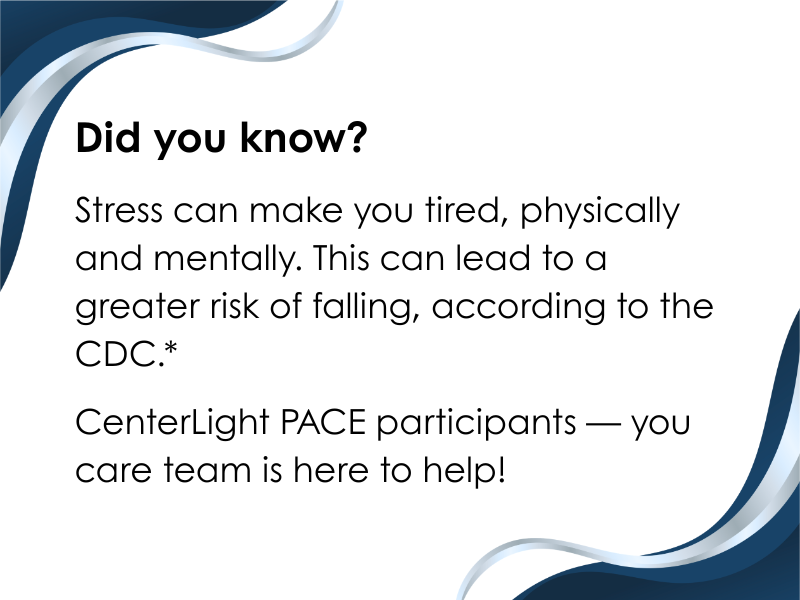
Winter can be a beautiful season, but it also brings challenges—especially when it comes to staying steady on your feet. Cold temperatures, icy surfaces, and bulky clothing can increase the risk of slips and falls. With a few practical steps, you can enjoy winter while staying safe and confident.

Why Winter Increases Fall Risk

During winter months, falls are more common due to:

  • Ice and snow on walkways
  • Wet floors due to rain or snow
  • Reduced daylight and visibility
  • Stiff joints and muscles in cold weather
  • Wearing heavier or unfamiliar footwear

The good news is that many falls are preventable with awareness and preparation.

Stay Steady Outdoors

When going outside during winter, keep the following in mind:

  • Wear supportive, non-slip shoes with good traction. Avoid smooth soles.
  • Take small, slow steps and allow extra time to get where you’re going.
  • Use handrails whenever available, especially on steps and ramps.
  • Watch for black ice, which can be very dangerous and hard to see.
  • Consider using a cane or walker if recommended—it provides extra stability.

If conditions are icy and unsafe, it’s okay to stay indoors and ask for help when possible.

Keep Your Home Fall-Proof

Simple changes at home can greatly reduce your risk of falling:

  • Keep floors dry and clutter-free.
  • Remove loose rugs or secure them with non-slip backing.
  • Ensure good lighting, especially in hallways and bathrooms. Night lights can also help.
  • Wear non-slip socks or shoes indoors.
  • Use grab bars in the bathroom if available.

Keep Moving—Safely

Staying active helps maintain strength, balance, and flexibility, even in winter.

  • Continue with your rehabilitation exercises as advised by your physical or occupational therapist. Consult a rehabilitation therapist or medical professional to find out what exercise is right for you.
  • Gentle stretching helps reduce stiffness caused by cold weather.
  • Let your rehabilitation therapist or medical professional know if you feel weaker, dizzy, or unsteady.

Strong muscles and good balance are some of the best defenses against falls.

Dress for Safety and Warmth

  • Wear layers to stay warm without restricting movement.
  • Avoid long coats, scarves, or pants that may drag on the ground and cause you to trip.
  • Keep hands warm with gloves to maintain a good grip on rails or walking aids.

Listen to Your Body

Falls often happen when we’re in a hurry. If you feel tired, dizzy, or unsteady:

  • Stop and rest.
  • Sit down if needed.
  • Don’t rush, especially when standing up from a chair or bed.

For CenterLight Healthcare PACE Participants

We're Here to Help

At CenterLight Healthcare Program of All-Inclusive Care for the Elderly (PACE), our participants' safety and independence are our priority. Please talk to your Rehabilitation Team if:

  • You’ve had a recent fall or near-fall.
  • You feel less confident walking.
  • You’d like help reviewing your home safety or walking aids.

Your safety matters to us, and small changes can make a big difference.


Final Thought

Winter doesn’t have to limit your independence. By staying aware, prepared, and supported, you can move through the season with confidence and peace of mind.

Stay safe, stay warm, and remember that you are not alone.

CenterLight Healthcare PACE is committed to providing accurate health-related information to help individuals live well, stay healthy and make well-informed healthcare decisions. Information in this material is strictly educational. We recommend that users consult with their medical provider regarding their care.


About the Author

This blog post is written by Tatyana Brisman, PT, Regional Rehabilitation Manager at CenterLight Healthcare PACE. Tatyana celebrated her 20th year of working at CenterLight in 2025.

In her own words:

"Over the years, my responsibilities have evolved, but my mission has remained the same: to ensure our participants are safe in their communities by providing high quality care and being a supportive, collaborative member of the care team. Being a Physical Therapist is more than just a job—it’s a calling. And I’m grateful every day to be part of a field that makes such a difference in people's lives."


Source: Geriatric Winter Falls: When a Simple Bump on the Ice Can be Serious, Mayo Clinic

H3329 Blog_NoPOInfo_WinterFallTips2026
Updated January 8, 2026

Start the Year Strong: Prioritize Preventive Care for Yourself and Your Loved Ones in 2026

< view all blog posts

As we age, our healthcare needs often become more complex, making preventive care increasingly important. For older adults, staying proactive about health can lead to a more vibrant and independent life. Start 2026 right and make wellness your goal – not only for yourself, but for those who love and care about you!

What is Preventive Care?

The goal of preventive care is to identify potential health issues early to prevent them from getting worse. This involves regular check-ups and screenings, vaccinations, and making lifestyle choices that can help prevent illness and support healthy aging.


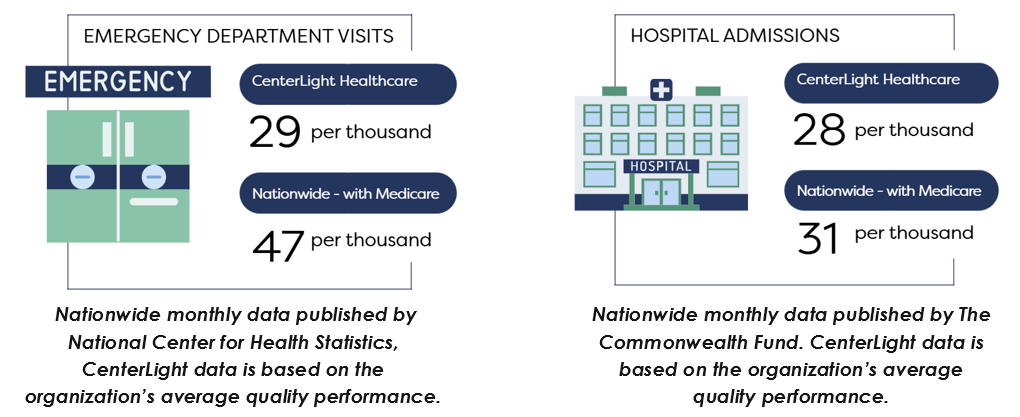
At CenterLight Healthcare Program of All-Inclusive Care for the Elderly (PACE), our goal is to catch problems early or help prevent them altogether, so that our participants can avoid unnecessary hospital stays and remain living in their own home and communities for as long as possible. The importance of Preventive Care is illustrated by the average emergency department visit and hospital admission rates in our participants compared to the nationwide rate:


In general, Preventive Care includes:

  • Regular visits to your primary care provider and annual physical exams can facilitate early detection of issues such as high blood pressure, diabetes, heart disease, and other chronic diseases.
  • Recommended screenings include cholesterol, cancer (such as colon, breast, and prostate), blood pressure, osteoporosis, vision, and hearing tests.
  • Regular dental visits.
  • Immunizations like the flu shot, shingles vaccine, pneumococcal vaccine, and COVID-19 boosters help prevent serious illnesses that can be especially dangerous for older adults.
  • Screening for depression, anxiety, and cognitive decline is crucial for emotional well-being and social engagement.
  • Regular medication reviews ensure what you are taking is still appropriate for your current condition and help prevent harmful drug interactions or side effects.

Taking care of your own wellness is one of the best gifts you can give yourself and ease your loved ones’ worries. In addition, remind your family and friends about the importance of preventive care to ensure that they, too, can avoid health problems.

A balanced diet rich in fruits, vegetables, whole grains, lean proteins, and healthy fats supports your immune system and energy levels. CenterLight Healthcare PACE participants can consult their dietitian, who will help determine a meal plan that is right for them.

Regular exercise, such as walking, Taichi, or yoga can improve mobility, balance, and heart health. Even gentle activities can make a big difference. If you are a CenterLight Healthcare PACE participant, you can attend the PACE center to join engaging activities including exercise groups, speak with your Physical and Occupational Therapists, and attend the open gym.

Connecting with friends, family, and community groups can help maintain emotional health and reduce feelings of isolation. CenterLight participants can enjoy more than 100 activities at the PACE center each month, designed according to their cultural and individual preferences.

Restful sleep can improve memory, mood, and overall health. Speak with your medical provider if you are having issues such as insomnia.

Overcoming Barriers to Preventive Care

Older adults may face challenges such as transportation, limited movement, financial constraints, or lack of awareness about available services. Family members, caregivers, and community organizations can play a vital role in helping them access preventive care.

If you are a CenterLight Healthcare PACE participant, remember that you have access to transportation to and from your medical appointments and the PACE center. See your medical provider regularly. In addition, your care team, made up of doctors, nurses, physical and occupational therapists, social workers, dietitians, and therapeutic recreation specialists, among others, will schedule assessments every six months to ensure that your care plan is up to date. Notify your care team regarding any change in condition so that we can help right away.

In conclusion...

Preventive care is a cornerstone of healthy aging. By staying informed, attending regular check-ups, and embracing healthy habits, older adults can enjoy a higher quality of life. If you or your loved ones are unsure where to start, consult a healthcare provider to develop a personalized preventive care plan. Small steps today can lead to big benefits tomorrow.

CenterLight Healthcare PACE is committed to providing accurate health-related information to help individuals live well, stay healthy and make well-informed healthcare decisions. Information in this material is strictly educational. We recommend that users consult with their medical provider regarding their care.


About the Author

Patricia Connelly serves as Chief Operations Officer at CenterLight Healthcare. Inspired by her mother who is a retired registered nurse, Patty built her career around a passion for caring for others. When asked what she enjoys most about working in healthcare, Patty shares that engaging with the participants who rely on CenterLight for their care is the most rewarding and fulfilling part of her role. “It is inspiring to hear their stories and to know that we make a meaningful difference in their lives,” she says.


Sources:

National Center for Health Statistics | The Commonwealth Fund

CenterLight data obtained through monthly Quality Performance Improvement measures.

H3329 Blog_NoPOInfo_PreventiveCare2026
Updated January 5, 2026

Helping Minimize Loneliness and Social Isolation in the Winter

< view all blog posts

Winter in New York can be beautiful -- but this time of year can also increase social isolation and intensify feelings of loneliness, especially in older adults. Changes in their health can make it harder to connect with others, especially when shorter days, harsh weather, and icy conditions limit their ability to go out and interact with others. In addition, distance from family may lead to emotional isolation.

According to the Center for Disease Control and Prevention (CDC), about 1 in 3 adults in the United States report feeling lonely, and about 1 in 4 adults report not having social and emotional support.

But there's good news: with awareness and proactive support, older adults can enjoy being more connected, not only during the winter months, but every day.

Preventing Social Isolation

1. Encourage Regular Social Interaction

Meaningful connection doesn’t always require large gatherings. Small gestures can make a big difference, helping older adults feel remembered. Consistent phone and video calls, and even cards and letters, can help ease loneliness this time of year. Schedule a visit, and encourage your loved one to speak with friends and neighbors.

2. Help Them Join Community Activities

Community centers, senior programs, faith groups, and recreation programs often host events that promote social engagement and give older adults a sense of belonging.

CenterLight Healthcare Program of All-Inclusive Care for the Elderly (PACE) participants have access to our PACE centers, where they can enjoy activities with their peers, nutritious meals, and more than 100 other activities per month, designed according to their cultural and personal preferences.

3. Support Hobbies and Creative Outlets

Participating in enjoyable activities such as arts and crafts, painting, sing-alongs, and games boosts mood and encourages interaction. Hobbies can create natural opportunities to socialize while supporting emotional wellness.

4. Encourage Daily Exercise

According to the Mayo Clinic, regular exercise may help ease depression and anxiety by releasing feel-good endorphins and taking someone's mind off worries. Even small amounts of physical activity, such as being active for 10 to 15 minute intervals during the day can make a positive impact.

5. Make Transportation Accessible

A major barrier to social connection is simply getting from place to place. In the winter, this is made worse by icy walkways and roads and harsh weather. CenterLight PACE participants have access to transportation to and from their medical appointments, as well as CenterLight PACE centers. In general, older adults in the community may be able to minimize feeling unsafe or dependent on others through community shuttle services and senior transportation programs.

6. Look After Emotional Health

Emotional needs are especially important. Families and caregivers can:

  • Ask questions about how the older adult is feeling.
  • Help the older adult join support groups, where they can interact with like-minded peers.
  • Encourage their loved one to seek professional help if signs of anxiety or depression appear.
  • Provide companionship and support.

By taking intentional steps to support older adults through communication, community, meaningful activities, accessible transportation, and emotional care, we can help older adults feel more connected and supported.


This blog post is written by:

Kathleen Keegan, Director of Therapeutic Recreation at CenterLight Healthcare PACE

Kimberly Sodano, LCSW, Director of Social Work at CenterLight Healthcare PACE

Sources:

Health Effects of Social Isolation and Loneliness, Center for Disease Control and Prevention, May 2024

Depression and Anxiety: Exercise Eases Symptoms, Mayo Clinic

H3329 NoPOInfo SocialIsolationWinter blog
Updated December 22, 2025

Winter Safety for Older Adults

< view all blog posts

As winter settles over New York State, older adults face unique challenges that can make the colder months more difficult, and sometimes more dangerous. From icy sidewalks and frigid temperatures to unpredictable storms, staying safe requires preparation and awareness. In this blog, CenterLight Healthcare Program of All-Inclusive Care for the Elderly (PACE) Vice President of Clinical Operations Heather Ogando, MD, walks us through essential winter safety tips tailored for older New Yorkers to help you or your loved ones stay warm and healthy all season long.

Changes that come with aging can make it more difficult for older adults during cold weather. According to the National Institute on Aging, the following conditions can make it harder for them to stay warm:

  • Diabetes can prevent blood from flowing normally to provide warmth.
  • Thyroid problems can affect the body’s ability to maintain a normal body temperature.
  • Conditions such as Parkinson’s Disease and arthritis can affect movement and make it challenging to put on layers of clothes, use a blanket, or get out of the cold.
  • Memory issues can cause a person to forget to take precautions for staying weather-safe, such as wearing appropriate attire.

If you are taking medications, speak with your medical provider to find out if any of them can affect how you deal with the cold. Make sure that you tell your medical provider about all your medications, including over-the-counter (OTC). Having all the information can help them determine any interactions, how your treatment may be affecting you, and advise you on the appropriate course of action.

Plan Ahead!

It is important that you prepare for winter weather. The Center for Disease Control and Prevention (CDC) lists the following items that you can include in your emergency supplies list:

  • An alternate way to heat your home during a power failure, and a list of resources where you can go to keep warm.
  • Electric space heater with automatic shut-off switch and non-glowing elements
  • Furnace fuel
  • Blankets
  • Matches
  • Multipurpose, dry-chemical fire extinguisher
  • Flashlight or battery-powered lantern
  • First aid kit
  • Appropriate supply of medications
  • Battery-powered radio
  • Battery-powered clock or watch
  • Extra batteries
  • Rock salt

Here are other helpful tips to prepare for cold weather:

If you or a loved one are over 65 years old, place an easy-to-read thermometer in an indoor location where you will see it frequently. Our ability to feel a change in temperature decreases with age. Older adults are more susceptible to health problems caused by cold. Check the temperature of your home often during the winter months.*

With extreme cold temperatures, water pipes can freeze in your home. Keep a water supply to ensure you have enough, especially in cases of winter storms that last more than a day.

Your diet is also an important factor that can help you stay warm. Consult your dietitian regarding a well-balanced meal plan for the winter. Remember that caffeinated beverages and alcohol can also cause your body to lose heat faster.

Dress appropriately for the weather. If you are leaving the house, wear a thick coat, hat, scarf, and gloves. If you are going out, remember that winter conditions can increase the likelihood of falls. Click here for tips on how to prevent falls during the winter season.

For CenterLight PACE Participants

CenterLight Healthcare PACE participants are encouraged to speak with members of their care team to ensure that they can deal with extreme winter weather. Participants may also attend the CenterLight PACE Centers during their hours of operation to keep out of the cold by enjoying fun activities, nutritious meals, and access to open gym. To find out the schedule for your site or to schedule your attendance, please call 1-833-252-2737 (TTY 711), 8AM-8PM Monday-Friday.

CenterLight Healthcare PACE is committed to providing accurate health-related information to help individuals live well, stay healthy and make well-informed healthcare decisions. Information in this material is strictly educational. We recommend that users consult with their medical provider regarding their care.


This blog post is written by Heather Ogando, MD, Vice President of Clinical Operations at CenterLight Healthcare PACE.


Sources:

*Preparing for a Winter Storm, Center for Disease Control and Prevention, February 7, 2024

Extreme Cold: A Prevention Guide to Promote Your Personal Health and Safety, Center for Disease and Control and Prevention

Cold Weather Safety for Older Adults, National Institute on Aging

H3329 Blog_NoPOInfo_ColdWeatherSafety
Updated December 9, 2025

Palliative Care

< view all blog posts

Why it's important when you or a loved one is facing serious illness

Palliative Care, and the medical specialty of Palliative Care Medicine, provides relief from the symptoms and stress of a serious illness. The goal is to improve quality of life for both you and your family.

You Are Not Alone

Palliative Care is provided by doctors, nurses and social workers who work together with patients' other doctors to provide an extra layer of support. It is appropriate at any age and any stage in a serious illness, and it can be provided along with curative treatment.

What to Expect

At CenterLight Healthcare Program of All-Inclusive Care for the Elderly (PACE), qualified participants will receive care from an Interdisciplinary Team, which includes, but is not limited to physicians, nurses, social workers, and rehabilitation and recreation therapists. Together with your doctor, we make sure that you receive:

Relief from symptoms including pain, shortness of breath, fatigue, constipation, nausea, loss of appetite, numbness, problems with sleep and much more.

Improved ability to tolerate medical treatments and the side effects of the disease.

Coordination of care among all of your health care providers.

In-depth communication with you and your family about your goals, concerns, and treatment options.

Improved ability to carry on with daily life.

Emotional, practical, and spiritual support for you and your family.

Begin Palliative Care Early

Palliative care can occur at the same time as all other treatments for your illness. There's no reason to wait. In fact, some studies* have shown that palliative care may extend life. Pain and other symptoms affect your quality of life, and stress can have a big impact on your family. Unlike with hospice, your care team will remain the same, your home care hours will be based on need, and you can receive physical or occupational therapy and/or dietary services as needed.**

You may already have been referred for palliative care services. If you would like more information, speak to your primary care physician, nurse or social worker. If you have questions, please call us at 1-833-CL-CARES (TTY 711), 8AM-8PM, Monday-Friday.

CenterLight Healthcare PACE is committed to providing accurate health-related information to help individuals live well, stay healthy and make well-informed healthcare decisions. Information in this material is strictly educational. We recommend that users consult with their medical provider regarding their care.

H3329 Blog_NoPOInfo_Palliative Care
Updated November 12, 2025

Source: Center to Advance Palliative Care
*Example: Tulane University Study, 2019 | **As determined by the Interdisciplinary Team.

The Power of Proper Nutrition

< view all blog posts

Regardless of your age, good nutrition has a huge impact on health. But as we get older, what we eat is even more essential, because it can help prevent many of the common health conditions that afflict seniors. Here are just a few of the ways that proper nutrition can help older adults treat and prevent illness, and enhance their overall quality of life.

High Blood Pressure Management

High Blood Pressure is a leading risk factor for stroke, heart disease, dementia, and many other health issues that impact older adults. While medication is important, proper nutrition – including a diet high in fruits and vegetables, and
low in sodium and sugar – can also make a real difference.

Diabetes Management

Beyond medication, proper diet can help control diabetes, and help prevent the potential complications it can cause, such as cardiovascular disease and cancer.

Weight Maintenance

Many older adults become thin, frail, and susceptible to illnesses and infections. A healthy diet is essential for keeping the body strong and to maintain a healthy immune system.

Obesity Prevention

Since obesity contributes to arthritis, diabetes and heart conditions, maintaining a healthy weight is important for seniors. Getting guidance from a nutrition professional can help seniors lose weight.

To download a copy of this educational material, please click here.

CenterLight Healthcare PACE is committed to providing accurate health-related information to help individuals live well, stay healthy and make well-informed healthcare decisions. Information in this material is strictly educational. We recommend that users consult with their medical provider regarding their care.

H3329 Blog_NoPOInfo_PowerOfNutrition
Updated September 23, 2025

Healthy Eating for a Healthy Lifestyle

< view all blog posts

Eating right is all about balance. You can enjoy good food if it’s part of your healthy eating plan. The United States Department of Agriculture (USDA) recommends making healthy food and drink choices that:

  • Include fruits, vegetables, grains, proteins, and low fat dairy.
  • Are low in saturated fat, sodium, and added sugars.
  • Are based on the right amount of calories for you based on your age, sex, height, weight, and physical activity level.

According to the USDA, healthy eating helps older adults:

  • Obtain nutrients needed such as potassium, calcium, vitamins D and B12, minerals, and fiber.
  • Manage chronic diseases or reduce the risk of developing high blood pressure, diabetes, heart disease, etc.
  • Lose weight or maintain a healthy weight.
  • Meet individual calorie and nutrition needs and help to maintain energy levels.

It is also important to note that our daily eating habits change as our bodies get older.

  • Add flavor using spices and herbs instead of salt and look for low-sodium food.
  • Add sliced fruits and vegetables to your meals and snacks.
  • Ask your medical provider to suggest other options if the medications you take affect your appetite or change your desire to eat.
  • Drink 3 cups of fat-free or low-fat milk throughout the day.
  • If you cannot tolerate milk, try small amounts of yogurt, buttermilk, hard cheese, or lactose-free food.
  • Drink water instead of sugary drinks.
  • Consume foods fortified with vitamin B12, such as fortified cereals.

You may download a copy of this educational flyer by clicking here.

CenterLight Healthcare PACE is committed to providing accurate health-related information to help individuals live well, stay healthy and make well-informed healthcare decisions. Information in this material is strictly educational. We recommend that users consult with their medical provider regarding their care.


Sources:

H3329 Blog_NoPOInfo_HealthyEating
Updated September 23, 2025

Exercise at Your Own PACE

< view all blog posts

At CenterLight Healthcare Program of All-Inclusive Care for the Elderly (PACE), promoting independence, safety, and overall wellness is at the heart of what we do. One of the offerings that supports this mission is our Open Gym—a space located at each of CenterLight’s 11 PACE centers and is designed specifically for our participants to exercise, rebuild strength, and move at their own pace.

What makes this program truly special? In addition to the Physical Therapy (PT) and Occupational Thereapy (OT) services they receive as part of their care plan, participants can also use the Open Gym whenever it works best for them.* Whether they prefer working out before or after lunch, the gym is open throughout the day* to accommodate their schedule.

What is the Open Gym?

The Open Gym is an in-house fitness and rehabilitation space within the CenterLight PACE centers. It provides access to a range of advanced equipment like:

Participants can use the gym independently on their own time or as part of their personalized care plan, always under the guidance of licensed physical and occupational therapists. The focus is on:

  • Building strength and endurance
  • Improving flexibility and mobility
  • Enhancing transfer skills and balance.

Group Therapy: Healing Together

In addition to PT and OT services, CenterLight PACE supports independent exercises at the open gym. The CenterLight Rehabilitation Team also offers therapist-led group sessions that participants are welcome to attend. These sessions promote:

  • Mobility
  • Emotional health
  • Social engagement.

Participants can choose between joining a group or working out solo in the gym - whatever works best for them.

For CenterLight Participants: Come When You’re Ready

The Open Gym at CenterLight PACE gives you the space, equipment, and support to work out how you want when you want. No waiting, no rigid schedules, just freedom to move on your own terms in a safe, welcoming environment. Please speak to your care team for more information.

*During the PACE center’s operating hours.

CenterLight Healthcare PACE is committed to providing accurate health-related information to help individuals live well, stay healthy and make well-informed healthcare decisions. Information in this material is strictly educational. We recommend that users consult with their medical provider regarding their care.


This blog post is written by Brian Sidiski, Vice President of Care Delivery Operations at CenterLight Healthcare PACE.

H3329 Blog_OpenGym Approved 07242025
Updated June 24, 2025

Don’t Fall This Summer: Stay Steady on Your Feet

< view all blog posts

Summer is a time to enjoy the sunshine, fresh air, and outdoor fun—but for older adults, it’s also a time to be extra cautious. High temperatures and seasonal conditions can pose health risks, especially when it comes to heat-related illness and falls. Fortunately, a few simple precautions can help you stay safe all season long.

Summer activities often mean more walking, time outdoors, and exposure to wet or uneven surfaces—all of which can increase your risk of falling.

Here are a few tips to help you stay on your feet:

Avoid overheating.

Dehydration and overheating can cause dizziness and confusion, leading to falls. Stay cool and well-hydrated, and plan outdoor activities during cooler hours.

Be mindful of weather hazards.

In addition to heat waves, July can see the most rain during the summer.* Rain can create slippery sidewalks and muddy paths. Thunderstorms can scatter branches and debris that become tripping hazards. Stay indoors during bad weather and keep walkways clear.

Stay alert outside.

Watch uneven ground, curbs, holes, and changes in incline. Take your time and use a walking aid if needed.

Watch indoor slip hazards.

Pools, rain, and summer foot traffic can lead to wet floors at home, in stores, or restaurants. Wipe up spills quickly and walk carefully, especially on tile or hard wood floors.

Wear the right shoes.

Avoid flip-flops or slippery-soled sandals. Choose supportive, rubber-soled shoes that provide good traction and help prevent slips.

Rest when needed.

If you feel lightheaded, dizzy, or unusually tired, sit or lie down in a cool area and rest.

Enjoy the Season—Safely

With a few mindful choices, older adults can stay safe, healthy, and active throughout the summer. Protect yourself from heat, stay hydrated, and be aware of your surroundings to reduce your risk of falling or illness.

Remember: A safe summer is a fun summer!

CenterLight Healthcare PACE is committed to providing accurate health-related information to help individuals live well, stay healthy and make well-informed healthcare decisions. Information in this material is strictly educational. We recommend that users consult with their medical provider regarding their care.


This blog post is written by Tatyana Brisman, PT, Regional Rehabilitation Manager at CenterLight Healthcare PACE.


Sources:

*NY Weather: Following June heat wave, here's what to expect in July

Hot Weather Safety for Older Adults

H3329 Blog_NoPOInfo_SummerFallTips
Updated July 2, 2025

Foot Care for People with Diabetes

< view all blog posts

Did you know that individuals with Diabetes are more prone to having foot problems?

But don't worry, there are a few things you can do to help keep your feet healthy and avoid complications.

Check your feet daily.

  • Look for calluses, cuts, sores, blisters, red spots and swelling. A good time to check your feet is when you put on or take off your shoes and socks.
  • Use a mirror to check the bottoms of your feet if you have trouble seeing them. You can also ask a family member to help you.
  • Contact your health care provider if you see a problem.

Maintain foot hygiene.

  • Wash your feet with warm water (not hot) daily, but avoid soaking them. Dry your feet well after washing, including between your toes.
  • Rub a thin coat of lotion over the tops and bottoms of your feet. Do not put lotion between your toes to avoid infection.

Protect your feet.

  • Do not walk barefoot. It is easy to step on something and hurt your feet.
  • Wear shoes that fit well. Check inside your shoes before you put them on to make sure the lining is smooth and there are no objects in them.
  • Do not use hot water bottles or heating pads on your feet.
  • Do not use over-the-counter products for corns and calluses. They may harm your skin.Wash your feet with warm water (not hot) daily, but avoid soaking them. Dry your feet well after washing, including between your toes.
  • Rub a thin coat of lotion over the tops and bottoms of your feet. Do not put lotion between your toes to avoid infection.

Be mindful of your diabetes.

  • Keep your blood sugar within your target levels.
  • Follow your primary care provider’s direction on diabetes treatment.

Follow your doctor's and care team's advice.

  • Ask your primary care provider to check your feet at every visit.
  • See a podiatrist (a doctor who treats feet) at least once a year.
  • Let your care team know right away if you see or feel any issues with your feet.

For CenterLight PACE Participants

CenterLight's podiatrist will be at our PACE centers on scheduled days and is looking forward to meeting our participants. To find out the schedule for your site or to make an appointment, please call 1-833-252-2737 (TTY 711), 8AM-8PM Monday-Friday.

CenterLight Healthcare PACE is committed to providing accurate health-related information to help individuals live well, stay healthy and make well-informed healthcare decisions. Information in this material is strictly educational. We recommend that users consult with their medical provider regarding their care.


This blog post is written by Ziad Farah, MD, MBA, Chief Medical Officer at CenterLight Healthcare PACE.


Source: Centers for Disease Control and Prevention

H3329 Blog_NoPOInfo_FootCare
Updated June 17, 2025

Tips and Tricks for Healthy Vision

< view all blog posts

As we get older, our eyesight tends to change. Maybe you’ve started needing more light to read, or it is harder to recognize faces from a distance. What is important is knowing how to care for your eyes and catch any serious issues before they affect your daily life.

This is a friendly reminder to pause and think about your eye health. After all, our eyes help us enjoy the people we love, read our favorite book, and move around safely.

Aging and Eyesight: What to Expect

You might notice that your vision isn’t quite as sharp as it used to be. Many older adults may experience changes like:

  • Trouble seeing up close (especially with reading)
  • More sensitivity to glare
  • Needing more time to adjust to light changes
  • Cloudy vision (possibly from cataracts)

These changes are common, but sometimes vision problems can sneak up on us without warning. That’s why regular checkups with an eye doctor are so important.

Eye Conditions to Watch For

Some eye conditions become more common as we age. These include:

  • Cataracts - cloudy areas in the eyes lens that can make things look blurry or faded
  • Glaucoma - damage to the nerve in the back of the eye, which often starts with no symptoms
  • Macular degeneration - affects the part of your vision you use to see straight ahead
  • Diabetic eye disease - happens when high blood sugar affects blood vessels in the eyes

Catching these problems early can make a big difference. Most eye doctors recommend getting a full eye exam with dilating drops at least once a year.

Simple Tips to Keep Your Eyes Healthy

  • Take breaks from screens. Try not to stare at screens such as television, computers, and cellphones 24/7, make sure you are looking up every 20 minutes to relax your eyes for a bit.
  • Eat more greens and fish. Foods like spinach, kale, and salmon can support your eye health.
  • Protect your eyes from the sun. Wear sunglasses and a hat when you go outside.
  • Keep chronic conditions under control. Managing diabetes, blood pressure, and cholesterol helps your eyes as well.
  • Avoid smoking. Smoking raises your risk of vision loss later in life.
  • Use good lighting at home. It helps you see better and lowers your chance of falling.

When to Call Your Eye Doctor

If you notice sudden changes —for example, flashes of light, little specks in your vision, or pain in your eyes —don’t wait. Call your doctor right away. CenterLight Healthcare Program of All-Inclusive Care for the Elderly (PACE) participants may also speak with their care team.

CenterLight Healthcare PACE is committed to providing accurate health-related information to help individuals live well, stay healthy and make well-informed healthcare decisions. Information in this material is strictly educational. We recommend that users consult with their medical provider regarding their care.


This blog post is written by Patricia Connelly, RN, Chief Operations Officer at CenterLight Healthcare PACE.


Sources:

H3329 Blog_NoPOInfo_HealthyVision
Updated June 16, 2025

Summer Safety: Stay Cool and Stay Hydrated

< view all blog posts

According to the Centers for Disease Control and Prevention (CDC), people aged 65 years or older are more prone to heat-related health problems.1 With summer approaching, temperature changes, chronic conditions, and prescription medications increase risks for older adults.

Consult your medical provider about how the heat may affect your health conditions or medications.

How to Stay Cool

  • Stay inside air-conditioned buildings whenever you can. If your home doesn’t have air conditioning, New York city has available cooling centers. Our PACE centers are open to CenterLight participants during operating hours. If you're a CenterLight participant and would like to attend our PACE center, call us to schedule transportation at 1-833-CL-CARES (TTY 711), 8AM-8PM, Monday-Friday.
  • Pace yourself when doing activities, including exercise.
  • Some medications may affect the body's ability to cool itself or may have harmful risks during extreme heat. For example, some blood pressure and heart medications can increase the risk of fainting and falling or inhibit the feeling of thirst, while others can interfere with temperature regulation.2 Speak with your medical provider regarding the medications you're taking and ask them how you can minimize harmful risks.
  • Take cool showers or baths to help your body cool off. Remember to be careful and ask your caregiver for assistance with these tasks.
  • Wear loose, light-colored clothes that are comfortable and cool.

Caregivers: What You Can Do to Beat the Heat

  • Stay informed: Check the local news for health and safety updates.
  • Hydration is key.
  • Time outdoor activities wisely.

CenterLight Healthcare PACE is committed to providing accurate health-related information to help individuals live well, stay healthy and make well-informed healthcare decisions. Information in this material is strictly educational. We recommend that users consult with their medical provider regarding their care.


This blog post is written by Heather Ogando, MD, Vice President of Clinical Operations at CenterLight Healthcare PACE.


Sources:

H3329 Blog_NoPOInfo_SummerSafety
Updated June 25, 2025

Alzheimer’s Disease and Fall Risk: What You Need to Know

< view all blog posts

According to the National Library of Medicine, people with Alzheimer’s Disease are twice as likely to fall than those without it.1 Falls can reduce independence, impact quality of life, and in some cases, cause serious injuries. It is important to learn about risks and what we can do to help minimize them.

Why are Falls More Common in Individuals with Alzheimer’s?

  • Cognitive Decline: People with Alzheimer's Disease suffer from memory loss and poor judgement, which make it harder to avoid hazards.
  • Balance and Muscle Weakness: Changes in gait and balance are a common symptom of Alzheimer’s, particularly as the disease progresses. These deficits can contribute to difficulty walking and balancing, which can ultimately lead to falls.2 In addition, Alzheimer's Disease affects coordination and physical strength.
  • Vision Issues: Trouble judging depth and distance leads to missteps.
  • Medication Side Effects: Some drugs prescribed for Alzheimer's Disease may cause dizziness or drowsiness.
  • Early Risk: Falls can occur even before symptoms of Alzheimer’s are obvious or before Alzheimer's Disease is diagnosed.

What are the Consequences?

  • Injuries: Fractures, head trauma, and loss of mobility.
  • Fear of Falling: Leads to inactivity, isolation, and further decline.
  • Stress for Caregivers: Increased responsibilities and emotional strain.
  • Long-Term Impact: Hospital stays or permanent care placement.

How to Help Prevent Falls

Recognizing the connection between cognitive decline and physical vulnerability is the first step in preventing injuries and maintaining independence.

Remember to see your medical provider regularly. They can help recognize early signs and help determine if an individual has Alzheimer's Disease and increased risk of falls.

If an individual is diagnosed with Alzheimer's Disease, caregivers, medical professionals, and family members can work together to:

  • Improve home safety
  • Monitor medication side effects
  • Encourage safe mobility practices
  • Engage in physical therapy and balance exercises

By staying informed and proactive, we can help reduce the risk of falls and improve the overall quality of life for individuals with Alzheimer’s Disease.

CenterLight Healthcare PACE is committed to providing accurate health-related information to help individuals live well, stay healthy and make well-informed healthcare decisions. Information in this material is strictly educational. We recommend that users consult with their medical provider regarding their care.


This blog post is written by Tatyana Brisman, PT, Regional Rehabilitation Manager at CenterLight Healthcare PACE.


Sources:

1 Falls and Alzheimer's Disease, National Library of Medicine

2 The Correlation Between Alzheimer's and Frequent Falls, Altoida

H3329 Blog_NoPOInfo_AlzheimersAndFalls
Updated May 7, 2025

What You Need to Know About Living with Arthritis

< view all blog posts

Do you have Arthritis?

Arthritis is a general term for conditions that affect the joints, tissues around joints, and other connective tissues. This is an inflammation that usually comes with the feeling of pain, stiffness and swelling.

There are many types of arthritis. Osteoarthritis, for example, is the most common form among older adults, according to the National Institute on Aging.

Do you have Arthritis?

Symptoms vary by arthritis type but usually include joint pain and stiffness. Pain is the way your body tells you that something is wrong. You might have trouble moving around. You need to see your medical provider to find out if you're experiencing arthritis pain or something else.

What can you do to manage Arthritis?

See your medical provider regularly.

Although there are many Over-The-Counter (OTC) medications that people use to relieve pain they think is caused by Arthritis, it is important to consult a medical professional to ensure proper diagnosis. Only a medical provider can tell if you have Arthritis or a related condition and how to treat it.

Manage your weight.

According to the Centers for Disease Control and Prevention (CDC), keeping a healthy weight can help slow arthritis symptoms from getting worse so you can keep doing the activities you enjoy. Your dietitian can help develop a meal plan that's right for you.

Be physically active.

Exercising, going for a walk, and moving all of your joints can help you manage your arthritis. The CDC states that according to research, physical activity reduces pain, improves physical function, and delays physical limitations. Speak with your physical or occupational therapist to discuss an exercise plan that will work for you.

Take your medicines when and how you are supposed to.

Your medical provider will let you know if medications can help you. Before you leave the doctor’s office, make sure you ask about the best way to take the medicine they prescribed. For example, you may need to take some medicines with milk, or you may need to eat something just before or after taking them, to make sure they don’t upset your stomach.

Tell your medical provider if you are taking OTC medications, using pain relieving creams, or any herbal or homeopathic treatments. They will review them to make sure that there are no interactions with your other medications.

CenterLight Healthcare PACE is committed to providing accurate health-related information to help individuals live well, stay healthy and make well-informed healthcare decisions. Information in this material is strictly educational. We recommend that users consult with their medical provider regarding their care.


This blog post is written by Heather Ogando, MD, Vice President of Clinical Operations at CenterLight Healthcare PACE.


Sources:

H3329 Blog_NoPOInfo_Arthritis
Updated April 29, 2025

How Occupational Therapy Helps Older Adults Keep Up with the PACE of Aging

< view all blog posts

As people age, it can become harder to move around. Older adults often face challenges with weakness, balance issues, arthritis or recovery from an injury or illness.

Occupational therapy (OT) can help! At CenterLight Healthcare’s Program of All-Inclusive Care for the Elderly (PACE), occupational therapists help older adults stay active, safe, and self-sufficient so they can go about their daily lives with confidence.

What is Occupational Therapy?

OT helps people with everyday activities like getting dressed, eating and moving around. Simply put, occupational therapists help people learn new ways of doing things to make their life easier and help them stay independent.

Occupational therapy can help participants:

  • Improve balance
  • Prevent falls
  • Make their homes safer
  • Build better hand coordination
  • Complete tasks by using special tools

A Success Story

Our occupational therapists find ways to improve the lives of our participants. One man in our program has tremors (shaking hands) and had trouble feeding himself without spilling the food.

This left him upset and discouraged. Occupational Therapist Sara DiFatta recognized that he still had good hand strength and movement, so she gave him a special weighted spoon that helped control the tremors. With this new tool, he was able to feed himself without any spills. This is just one example of how therapists can educate participants on the proper use of equipment and offer strategies to increase independence.

Why Occupational Therapy?

As an occupational therapist, I get to build relationships with the participants I treat, allowing me to better understand their needs and provide more effective care. Seeing their progress and watching their outlook improve is incredibly rewarding.

Working with the CenterLight PACE Care Team

Our participants know that they have a designated care team available to offer hands-on support to help them live safely and independently at home. Our physical and occupational therapists are part of that Interdisciplinary Team (IDT). This group of dedicated professionals work together to make sure each participant gets the right care at the right time.

Open Gym CenterLight’s PACE Centers in Brooklyn, the Bronx, Manhattan, Queens, Long Island, and Westchester include an open gym available for participants. They can schedule transportation to and from the PACE center, where they may enjoy therapeutic recreation activities, nutritious meals, see their medical provider, and exercise — under one roof!  It’s all part of Keeping Up with the PACE of Aging!


This blog post is written by Brendan Geraghty, Director of Rehabilitation at CenterLight Healthcare PACE.

H3329 OTBlog Approved 05272025
Updated 05062025

Making Rehab More Fun and Effective with Jintronix

< view all blog posts

At CenterLight Healthcare PACE, we want to help our participants remain as healthy and independent as possible. By introducing Jintronix, a new technology that combines rehabilitation with entertainment, we hope to encourage participation, improve function, and offer a good overall experience.

What is Jintronix?

Jintronix is a computer exercise program that uses sensors to track how participants move and gives instant feedback. It feels like a video game and participants can join alone or in a group. The therapy sessions can be personalized, making them both enjoyable and effective.

Our goal is to help participants live independently in their own homes and communities. Physical and Occupational Therapists work with participants to make sure they can manage everyday tasks safely or recover from an injury.

Why Jintronix?

  • Reduced Risk of Injury
  • Increased Motivation
  • Sense of Achievement
  • Personalized Treatment
  • Improved Movement and Function
  • Faster Recovery Time

As a physical therapist, I’ve found that the pictures and sounds in Jintronix make participants enjoy therapy more. They improve faster and feel good about their progress. We make sure that each participant can manage at their own level. The exercises can be done while sitting or standing.

Madelyn’s story

“My name is Madelyn and I’m 61 years old. I used to work at the USO, where I had to do a lot of pushing and lifting. Arthritis in my spine caused pain all the time and I eventually needed surgery. I joined CenterLight in 2023 after a friend told me about it.

I love it here. Jintronix helps my body and my mind. I can see the exercises better on the large screen because of my cataracts.”

Madelyn added: “It’s fun. The exercises are easy to do.”

Now, Madelyn attends our open gym and uses Jintronix in group classes twice a week. She also works her core and does leg exercises for about 30 minutes daily. She feels stronger and doesn’t need her walker as much. She also encourages other participants to join her in the gym!

At CenterLight PACE, our goal is to find innovative solutions like Jintronix to provide high quality care and empower our participants, like Madelyn, on their path to recovery and well-being.


This blog post is written by Tatyana Brisman, Physical Therapist and Regional Rehabilitation Manager at CenterLight Healthcare PACE.

H3329 JintronixBlog Approved 05272025
Updated 05062025

Recognizing the Signs of a Stroke

< view all blog posts

May is National Stroke Month--let's take this time to go over the signs of a stroke to ensure you can act quickly if you or a loved one is having an attack.

Did you know that having a stroke is just as serious as having a heart attack? According to the National Institute of Aging, it is the fifth leading cause of death in the United States and the number one cause of serious adult disability. In addition, the risk of having a stroke increases as we age.

Recognizing the signs of a stroke will allow you to act fast--which can be the difference between life or death. If these signs are present, you should call 911 right away.

  • Sudden numbness or weakness in the face, arm, or leg, especially on one side of the body.
  • Trouble speaking, thinking or walking due to a change in blood flow through the brain. These include slurred speech, trouble speaking, or difficulty understanding speech; sudden loss of balance or coordination; and sudden confusion, trouble speaking, or understanding speech.
  • Difficulty seeing in one eye or both eyes or double vision.
  • Sudden dizziness, drowsiness, nausea, and vomiting.
  • Sudden severe headache with no known cause or warning, which may be due to bleeding in the brain.

Lower Your Risk!

The Centers for Disease Control and Prevention (CDC) states that lifestyle choices can increase your risk for stroke. Below are some ways to help lower your it.

  • Maintain a healthy diet. Your diet should consist of food that are low in cholesterol, saturated fats, and sodium, such as fruits and vegetables. Consult your dietitian to ensure that your meal plan is appropriate for your specific condition.
  • Stay active. Not getting enough physical activity can lead to other health conditions that increase the risk of stroke, including obesity, high blood pressure, high cholesterol, and diabetes. If you are a CenterLight PACE participant, speak with your Physical and Occupational Therapists regarding what exercises and physical activities are right for you.
  • Control high blood pressure and cholesterol. Speak with your medical provider regarding risks, prevention, and the treatment right for you.
  • Quit smoking. Cigarette smoking can contribute to damaging the heart and blood vessels. In addition, nicotine raises blood pressure.
  • Avoid drinking alcohol. Drinking too much alcohol can cause high blood pressure as well as the level of triglycerides, a form of fat in your blood that can harden arteries.

Lastly, see your medical provider regularly. It is important to monitor your health and treat health conditions properly to be able to minimize your risk of a stroke.

CenterLight Healthcare PACE is committed to providing accurate health-related information to help individuals live well, stay healthy and make well-informed healthcare decisions. Information in this material is strictly educational. We recommend that users consult with their medical provider regarding their care.


This blog post is written by Heather Ogando, MD, Vice President of Clinical Operations at CenterLight Healthcare PACE.


Sources:

H3329 Blog_NoPOInfo_Stroke
Updated April 16, 2025

Helping Regain and Improve Life Skills: Rehabilitation Services

< view all blog posts

After an accident or a serious health event, or as part of their long-term care, people often need rehabilitation services such as Physical Therapy (PT) and/or Occupational Therapy (OT).

Physical Therapy

CenterLight Healthcare Program of All-Inclusive Care for the Elderly (PACE) Physical Therapists (PTs) help participants reduce pain and improve or restore mobility, often reducing the need for long-term use of prescription medications.

PTs can teach participants how to prevent or manage their condition so that they may achieve long-term health benefits. PTs examine each participant and develop a plan, using treatment techniques to promote the ability to move, reduce pain, restore function, improve range of motion, regain strength, improve endurance, and prevent disability.

PTs also work with participants to prevent the loss of movement before it occurs by developing fitness and wellness-oriented programs for healthier and more active lifestyles. Trained in exercise programs and rehabilitative interventions, PTs can also help with falls prevention. For older adults who wish to continue to live safely in their own homes, PTs can help with maintaining, restoring, and reaching the individuals’ optimum function.

Occupational Therapy

Through the therapeutic use of everyday activities (occupations), Occupational Therapists (OTs) help participants do the things they want and need to do. This helps them maintain their independence and remain in the community for as long as possible.

Common occupational therapy interventions include providing treatment to individuals recovering from injury to help them regain skills. OTs provide support for those experiencing physical changes as well as rehabilitation and education to help participants perform everyday tasks. These include, but are not limited to, bathing, dressing, cooking, getting in and out of bed, getting in and out of a car, and other Activities of Daily Living (ADLs).

For participants who may be having cognitive issues, OTs can also design exercises with the goal of improving memory and focus.  

Open Gym

CenterLight Healthcare PACE centers, located in Brooklyn, the Bronx, Manhattan, Queens, Long Island, and Westchester, have an open gym available for participants to use. This is supervised by PTs and OTs to ensure safety and help participants get the most out of their exercises. Participants can contact our team to schedule transportation to and from the PACE center, where they can enjoy therapeutic recreation activities and nutritious meals, see their medical provider, and take advantage of the well-equipped open gym.

Working with the CenterLight PACE Care Team

At CenterLight PACE, physical and occupational therapists are part of the Interdisciplinary Team (IDT), a group of dedicated professionals who work together to provide participants with the care they need, when they need it. And because our PTs and OTs are working with the full care team, they collaborate with each discipline to provide high quality, holistic care.


This blog post is written by Brendan Geraghty, Director of Rehabilitation at CenterLight Healthcare PACE.

H3329 RehabBlog2025 Approved 01282025
Updated 01022025

For Older Adults, Healthcare Can be Confusing. We Can Help!

< view all blog posts

Navigating the world of healthcare may feel like an overwhelming task. CenterLight’s Program of All-Inclusive Care for the Elderly (PACE) is designed to provide comprehensive, coordinated healthcare, and while PACE offers a lifeline to many older adults, the certification process for Medicare and Medicaid can often be confusing for them.

Ensuring that older adults can access the benefits they need without unnecessary barriers is more than just a matter of paperwork—it's about helping improve lives. CenterLight PACE can help answer questions and offer support to our participants or individuals interested in enrolling.

Understanding PACE

PACE programs provide comprehensive healthcare services to older adults who are eligible for Medicare and/or Medicaid, allowing them to stay in their home and communities for as long as possible. Through PACE, eligible* adults 55+ can receive all the services they need including medical care, rehabilitation services, home care, transportation, and more — all coordinated by a designated CenterLight PACE care team.

For older adults to benefit from this holistic care, they first need to meet specific eligibility requirements, including, but not limited to, proving eligibility for both Medicare and Medicaid.* Medicare and/or Medicaid must be maintained to continue all the CenterLight PACE services.

Securing Medicare and Medicaid

For many PACE participants, the process of securing Medicare and Medicaid can feel overwhelming. It often involves gathering medical records, understanding state-specific rules and submitting forms. If you’re an older adult or a caregiver, this process may be daunting. Many people face challenges in understanding which documents are required, how to complete forms accurately, or where to go for help.

For someone already dealing with health concerns, the last thing they need is added stress. It’s no surprise that so many individuals end up frustrated and confused. There are resources available. And our CenterLight team can help simplify the process.

Simplifying the Process

At CenterLight PACE, we believe that navigating the certification and recertification process should not be an additional burden on older adults or their families. We can help our participants in several ways:

  1. Providing Clear, Step-by-Step Guidance
  2. Assisting with Paperwork
  3. Connecting You to Resources
  4. Answering Your Questions
  5. Reducing Stress
  6. Medicaid Renewal

We’re Here to Help

Healthcare shouldn’t be a confusing maze—especially for older adults who already have so much to manage. At CenterLight PACE, our goal is to simplify the Medicare and Medicaid certification process for our participants. We have partnered with Senior Planning Service to facilitate Medicaid recertifications. They work closely with enrolled participants and their families along with our Social Work teams to ensure annual Medicaid renewal is facilitated timely with no disruption in services. We believe in providing the guidance, support, and resources that seniors need to navigate this crucial step in their healthcare journey. Together, we can make the process easier, allowing older adults to focus on what matters most: their health, independence, and happiness.

If you or a loved one are interested in PACE and struggling with Medicare and Medicaid certification, reach out to us today. We’re here to help!

CenterLight Healthcare PACE is committed to providing accurate health-related information to help individuals live well, stay healthy and make well-informed healthcare decisions. Information in this material is strictly educational. We recommend that users consult with their medical provider regarding their care.


This blog post is a collective effort of the Social Work Department at CenterLight Healthcare PACE.


*See our Care Services page for a full list of eligibility requirements.

H3329 EntitlementsBlog 02202025
Updated January 6, 2024

Dealing with Seasonal Allergies

< view all blog posts

As winter ends and the cold weather slowly goes away, spring brings with it beautiful flowers, grasses, and other pollen producers. During the spring months, we can start enjoying outdoor activities such as gardening or walking in the park. But while most people look forward to this season, it may not be as enjoyable for those who suffer from seasonal allergies.

Below are some tips to help reduce the discomfort of allergies:

Look out for allergy symptoms such as red, watery, and itchy eyes; sneezing; congestion; and runny nose.

Consult with your medical provider. Let your doctor or other medical provider know what your symptoms are so they can advise you of proper treatment and prevention techniques. Medical providers can also recommend new and existing allergy treatments that you can try to reduce the effects of allergy-causing substances.

If you are taking allergy medications, take them as prescribed. Medication compliance is a very important part of remaining safe and healthy.

Make sure you note when high pollen count days occur. Remain indoors as much as possible when pollen counts are high. Keep doors and windows closed.

Do not touch your eyes outside and wash your hands before touching them indoors.

If possible, avoid plants that are considered worse for allergies. These include, but are not limited to:

  • Flowers such as daisies, jasmine, and chrysanthemums
  • Indoor plants such as ferns
  • Shrubs such as cypress, juniper, and wisteria
  • High-pollen producing trees such as olive, birch, pine, oak, elm, cedar, and walnut
  • Bermuda grass, Johnson, orchard, and other varieties of grass

If your caregiver has pets and is visiting your home, tell them to wipe the pets down before they come in from outside. Pets' coats can be pollen and mold magnets.

For CenterLight Healthcare PACE Participants:

If you think you have allergies or are experiencing symptoms, your CenterLight PACE care team can help. Please let us know right away so that we can adjust your treatment plans. This includes recommending appropriate treatments based on your condition, and ensuring that any allergy regimen does not conflict with other medications or treatment.

CenterLight Healthcare PACE is committed to providing accurate health-related information to help individuals live well, stay healthy and make well-informed healthcare decisions. Information in this material is strictly educational. We recommend that users consult with their medical provider regarding their care.


This blog post is written by Heather Ogando, MD, Vice President of Clinical Operations at CenterLight Healthcare PACE.


Sources:

H3329 Blog_NoPOInfo_Allergies
Updated March 20, 2025

CenterLight Healthcare has an approved PACE contract with the Centers for Medicare and Medicaid Services (CMS) and NY State Department of Health (NYSDOH). Enrollment in CenterLight Healthcare PACE depends on renewal of its contract with CMS and NYSDOH. Participants may be fully and personally liable for the cost of unauthorized or out-of-PACE program agreement services. Upon enrollment, the PACE program will be the participant’s sole service provider. Participants will have access to all services needed as identified by the Interdisciplinary Team, but not to a specific provider of these services. Please contact us for more information.

H3329 CLPACEWebsite Approved 10222024

Last Updated on January 13, 2026